Modern diners are no longer satisfied with static, predictable menus. They want meals that spark curiosity, tell stories, and reflect seasonal and cultural relevance. As the food world evolves, so too must the way menus are crafted and presented.
From ingredient showcases to interactive formats, here are 13 innovative menu strategies that are redefining how we eat and how we connect to food.
1. Ingredient-First Menus
Rather than categorising dishes by course, many chefs are building menus around a single star ingredient. This strategy allows for creative variations while highlighting the ingredient’s versatility and quality.
A seafood-focused menu, for instance, might feature oysters prepared raw, grilled, and pickled. Premium delicacies like stone crabs can be served chilled, tossed in a light salad, or paired with citrus for a bright, elegant entrée. Ingredient-led menus simplify decision-making while delivering a curated culinary experience.
2. Hyper-Seasonal Rotations
Forget the standard quarterly update, hyper-seasonal menus change weekly or even daily, depending on what’s freshest and available locally. This approach supports regional producers, minimises waste, and keeps guests coming back to try what’s new.
It also introduces an element of spontaneity and exclusivity that today’s diners find appealing. Each visit becomes a unique opportunity to experience fleeting flavours at their peak.
3. Tasting Flights Beyond Beverages
Tasting flights have expanded well beyond wine and beer. Today’s menus are offering mini portions of entrées, desserts, and even sauces so diners can sample without committing to one dish.
Seafood trios, pasta samplers, and dessert boards with bite-sized selections create variety and conversation around the table, making meals feel more interactive and inclusive.
4. Blind or Omakase-Style Offerings
Some menus are now embracing the element of surprise. Diners place their trust in the chef with blind menus or omakase experiences, where courses are revealed only as they arrive.
This format allows chefs to be spontaneous and expressive, while guests enjoy the thrill of discovery. It’s ideal for adventurous eaters and for showcasing lesser-known ingredients or new techniques.
5. Global Fusion with Purpose
Fusion is no longer about mixing cuisines for novelty, but it’s about thoughtful integration. Today’s globally influenced menus blend culinary traditions in ways that honour both origin and creativity.
Think Korean tacos, Mediterranean ramen, or Indian-inspired risotto, combinations that are bold but balanced. These dishes reflect a multicultural world and offer diners familiar formats with unexpected flavours.
6. Build-Your-Own and Customisable Dishes
Empowering guests to personalise their meals has become a powerful tool. Menus now include build-your-own options for bowls, boards, and even fine-dining courses.
Customisable experiences allow guests to accommodate dietary needs, express their tastes, and engage more fully with the food, turning dinner into a collaboration between chef and diner.
7. Storytelling Through Menus
Modern menus are becoming more than just food lists; they’re platforms for storytelling. Each dish might include a short note about its inspiration, regional history, or the journey of its ingredients.
This strategy deepens guest connection to the meal, enhances perceived value, and creates a memorable experience rooted in meaning and transparency.
8. Zero-Waste and Whole-Ingredient Focus
With sustainability top of mind, many restaurants are designing menus that use every part of the ingredient, from root to stem or nose to tail.
Vegetable stalks become sauces, seafood shells transform into stock, and off-cuts are turned into charcuterie or dumpling fillings. This not only reduces waste but also showcases creativity and respect for resources.
9. Cross-Discipline Collaborations
Menus are increasingly being shaped by collaborations between chefs and artists, farmers, mixologists, designers, and even musicians. These interdisciplinary partnerships create one-of-a-kind dining experiences that extend beyond the plate.
A chef might work with a local ceramicist to design dishware that enhances presentation or team up with a vintner to create a one-night-only pairing menu. These experiences blur the line between dining and performance.
10. Mood-Based or Emotionally Curated Menus
Some restaurants are experimenting with menus designed to match emotions or desired moods. Dishes may be grouped under categories like Comfort, Adventure, Balance, or Indulgence, allowing guests to choose based on how they want to feel rather than just what they want to eat.
This approach blends psychology and gastronomy, offering a more intuitive and emotionally resonant dining experience.
11. Digital Menus with Immersive Elements
With the rise of contactless dining and tech-integrated experiences, digital menus have gone beyond simple PDFs. Many now feature immersive elements like video clips of dishes being plated, chef messages, or QR codes linking to the origin story of an ingredient.
Augmented reality (AR) menus are also gaining traction, allowing diners to visualise dishes in 3D before ordering. These enhancements help inform and excite guests, merging technology with culinary storytelling in a way that feels high-end and interactive.
12. Wellness-Driven Menu Sections
Wellness is no longer a niche; it’s a core component of luxury dining. Menus are now introducing dedicated sections focused on health-conscious eating without sacrificing flavour. Think anti-inflammatory ingredients, low-sugar options, and macro-balanced plates featuring plant-forward cuisine.
Restaurants are also noting benefits like “energy-boosting”, “gut-friendly”, or “mood-enhancing” next to dishes, helping diners align food with their lifestyle goals. It reflects a shift from indulgence for indulgence’s sake to indulgence that also supports well-being.
13. Limited-Time or Rotating Signature Dishes
Exclusivity fuels excitement. More chefs and restaurants are introducing limited-time or rotating signature dishes that are only available for a short window, weekly, monthly, or tied to specific seasonal events.
This strategy creates urgency and anticipation. Diners are encouraged to return frequently or book in advance to try the latest offering. It also allows chefs to experiment creatively without overhauling the entire menu, and to highlight rare or ephemeral ingredients at their peak.
Whether it’s a special pasta infused with fresh truffles or a unique dessert celebrating local fruit harvests, these “here today, gone tomorrow” dishes turn meals into coveted culinary moments.
Reinventing the Menu Experience
As dining continues to evolve, so must the menus that guide it. Today’s most successful food experiences are built on creativity, connection, and adaptability. From storytelling and seasonality to guest interactivity and ingredient showcases, these innovative menu strategies are elevating dining far beyond sustenance.
In this new era, the menu is more than a list. It’s a canvas for imagination, culture, and culinary artistry. Whether in a fine dining room or a home kitchen, these strategies are helping redefine how we explore, experience, and enjoy food.
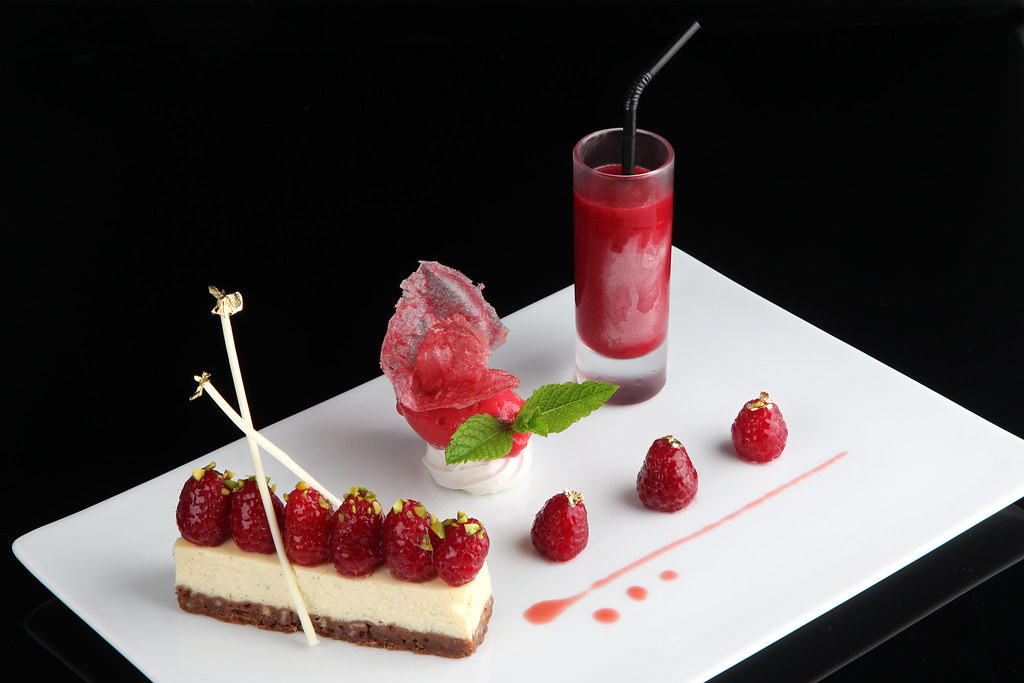
Featured photo: Carte Printemps/ Spring menu by Hotel de la Paix Genève, BY-SA 2.0.