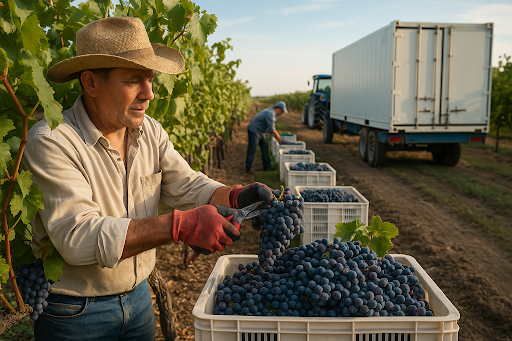
Harvest time isn’t just another day in the vineyard—it’s game day. You’ve watched those grapes grow for months, maybe even talked to them a little (no judgment).
Now, the window for picking is short, and everything has to go right. Pick too early and the flavors fall flat. Pick too late and you’re flirting with rot, rain, or runaway sugar levels. You’ve only got one shot to get it right—and that means planning, hustle, and knowing how to protect your crop from vine to crush pad.
If you’re a seasoned grower or stepping into your first real harvest, these five tips will help you lock in quality, avoid costly mistakes, and get the most out of the grapes you’ve worked so hard to grow.
1. Pick for Flavor, Not Just Numbers
There’s a moment in the vineyard when you taste a grape and just know—this is it. The sugar’s right, the acid’s in balance, and there’s a richness that wasn’t there last week. That’s your real harvest signal. Sure, you’ve been checking the Brix and watching pH levels like a hawk, but numbers only tell part of the story. Great wine starts with great taste, and the best picking decisions come from a mix of science, instinct, and good old-fashioned grape chewing.
You might be tempted to pick early because rain’s on the radar or your crew’s only available this weekend. But if the grapes aren’t ready, you’re rushing the thing that matters most. On the flip side, waiting too long can bring shriveling skins, mold, or sugar levels that push your wine into awkward territory.
So walk the rows. Taste from different clusters—sun side, shade side, top and bottom. Keep notes, and compare with your lab numbers. That’s how you know you’re not just picking grapes—you’re picking wine in the making.
This is the moment all your pruning, watering, and weather-watching has led to. Trust your palate. It’s been trained by the vineyard all season long.
2. Keep Your Gear Sharp and Well Maintained
Harvest day moves fast—and dull tools slow you down. If your shears are chewing through stems instead of slicing clean, you’re not just wasting time—you’re damaging the vine and bruising the fruit.
Before your crew hits the rows, take a few minutes to inspect every blade, bucket, and bin. Sharpen the cutters, clean off the sticky residue, and double-check that everything’s sanitized. Trust us, sticky sap and dusty gear are not the vibes you want on day one.
But gear’s only half the equation. Your crew needs to know what ripe looks like, how to snip without yanking, and why dropping a cluster in the dirt isn’t just clumsy—it’s a waste of flavor. A quick morning huddle goes a long way. Show them what you’re looking for, remind them to stay hydrated, and set the tone: this is a fast, focused, team effort.
A well-prepped crew with good tools is a smooth machine. You’ll pick cleaner, faster, and with less stress. And when the sun’s beating down and the bins are filling up, you’ll be glad you took the time to get it right from the first clip.
3. Don’t Wing It—Train Your Crew
You can’t just hand someone a pair of clippers and point to the vines. That’s how grapes get crushed, vines get yanked, and your whole day turns into a mess. A good harvest crew is more than just bodies in the field—it’s a team that knows how to move with purpose, protect the fruit, and keep the rhythm steady all day long.
Start with a quick talk before the first snip. Show them what ripe fruit looks like and how to gently handle clusters. Point out what to leave behind—unripe bunches, moldy spots, anything funky. It’s way easier to train for quality now than to sort through bad picks later.
Set expectations: work steady, stay respectful, and don’t forget the water breaks. People hustle better when they’re hydrated and appreciated. Throw in some music or a little friendly competition—fastest picker, cleanest bin, whatever keeps morale high.
The truth is, a trained crew saves you time, grapes, and stress. They’ll move quicker, make fewer mistakes, and treat your vineyard like it matters. Because it does—every hand in the field is helping shape the wine you’ll be proud to pour.
4. Cool Grapes = Better Wine (Yes, You Need Onsite Cold Storage)
Here’s the deal: grapes don’t wait. Once they’re picked, they start changing fast—especially if it’s hot out. Sugar levels can spike, natural yeasts can kick in, and before you know it, those beautiful clusters are halfway to fermentation before they even reach the crush pad. That’s not ideal. That’s a potential disaster.
This is where cold storage comes in clutch. Having onsite cold storage like a reefer truck is like giving your grapes a timeout to chill—literally. It slows down all those chemical reactions and locks in the flavors you’ve worked all season to develop.
Let’s say your winery is an hour away. Or worse, the truck breaks down. If you’ve got your grapes cooling on-site, you’ve bought yourself time and peace of mind. You’re not racing the sun or gambling with your vintage. You’re in control.
It doesn’t have to be fancy. A reefer container parked near the vineyard does the job just fine. Plug it in, load it up, and breathe easy. Your grapes will thank you, and so will your future wine drinkers. Cold storage isn’t just a nice-to-have—it’s a smart move that separates rushed harvests from rockstar results.
You can rent or buy reefers with low monthly payments using a rent to own storage containers program.
5. Treat Transport Like It Matters—Because It Totally Does
You picked the grapes at just the right moment, handled them with care, cooled them down… and now you’re going to throw them on a hot trailer and bounce them down a dirt road? Don’t do it. Transport is the final step before the winery, and it’s where a lot can go wrong if you’re not paying attention.
Think about the bins. Are they clean? Are they stacked right so nothing gets crushed? Grapes at the bottom of an overfilled bin can turn into juice before they even leave the vineyard—and not in a good way. Keep the stacks low, the airflow moving, and don’t leave fruit baking in the sun while you “grab lunch real quick.”
If you’re hauling a distance, consider an insulated or cooled trailer, or at least stage your grapes in the shade while you prep the load. Every minute they stay fresh and cool helps preserve the magic inside those skins.
The harvest isn’t done when the grapes are picked—it’s done when they arrive at the winery in perfect condition. Handle the journey like it’s part of the winemaking process—because it absolutely is.
Harvest isn’t just about getting grapes off the vine—it’s about protecting every ounce of flavor from field to fermenter. You’ve waited all season for this window, and when it opens, there’s no time to guess. You’ve got to pick at peak ripeness, keep your crew sharp, your tools sharper, and treat every cluster like it’s gold. Cold storage rental? Non-negotiable if you care about quality. And don’t sleep on transport—your grapes deserve better than a sweaty ride in the back of a truck.
Do it right, and you’re not just harvesting grapes—you’re capturing the season in every bottle. The vines gave you their best. Now it’s your turn to deliver. Nail these five steps, and you’re not just farming—you’re crafting something worth celebrating.