To plan a food trip, flip the usual order. Choose the meals first, then build the flights, hotel and sightseeing around them. Start with a destination known for a style of cooking you love, book the one or two restaurants that need it, anchor each day with a market or food tour, budget meal by meal, and know the basic food and water safety rules before you land.
That sounds obvious, yet most trips run the other way: hotel booked, sights listed, and dinner left to whatever is open near the hotel at 9pm. The result is a lot of forgettable meals in a city famous for its food.
The six steps below turn eating into the itinerary rather than the afterthought. They work for a weekend in a nearby city or two weeks overseas.
Key takeaways
- Choose where to go for a specific cuisine or dish, then plan the days around your top two or three meals.
- Book the hard reservations first; leave room for walk-in counters, markets and happy accidents.
- A food tour early in the trip gives you a map of what to eat for the rest of it.
- Budget per meal type, with one splurge and plenty of cheap, excellent everyday food.
- Where tap water is unsafe, the CDC advises hot, fully cooked food, sealed drinks and skipping ice.
Step 1: Pick a destination for its food, not just its sights
The best food trips have a theme. “Italy” is a destination; “the pasta of Rome” or “Bologna for fresh egg pasta and mortadella” is a food trip. A clear theme makes every later decision faster.
- Name the dish or cuisine you want to eat most. Write down two or three, not twenty.
- Find where it is best. Look for the city or region that is famous for it, not just the country.
- Check the season. Many markets, harvests and seafood seasons are tied to specific months, so time the trip to what you want to eat.
- Decide how you’ll get around. A walkable city lets you graze. A rural wine or cheese region usually means a car or a driver.
If you want a ready-made example, our city guides show how one city’s food story can shape an entire itinerary.
Step 2: Research like a local
Good research mixes three kinds of source, and none of them alone is enough.
- Official tourism sites. City and regional tourism boards list markets, food festivals and signature dishes, and they’re kept reasonably current.
- Restaurant websites and social accounts. The only reliable place to confirm a restaurant is still open, its days and how it takes bookings.
- Established food publications and guides. Useful for shortlists, but always cross-check anything important against the restaurant’s own site.
Build a simple spreadsheet or note with one row per place: name, neighbourhood, what to order, whether it takes reservations, and closed days. Sorting by neighbourhood shows you which meals naturally cluster into the same day.
Plan the two meals you’d be heartbroken to miss. Leave the rest of the trip loose enough to find the third.
Step 3: Lock in the reservations that matter
Not every meal needs a booking, but the ones that do can fill up well before you travel.
- Identify your non-negotiables. Usually one or two tasting menus or famous dining rooms.
- Find out when bookings open. Many restaurants release tables on a set schedule. The restaurant’s site will tell you.
- Book those first, then set flights and hotel dates to fit, not the other way round.
- Put them at the right time of day. Lunch at a famous restaurant is often easier to get and gentler on the wallet than dinner.
- Note the policies. Dress codes, deposits and cancellation windows are easy to miss and annoying to learn about on the day.
It also pays to know how fees work before you sit down; our explainer on restaurant service charges vs tips covers the bill side of things.
Step 4: Build days around markets and a food tour
Markets
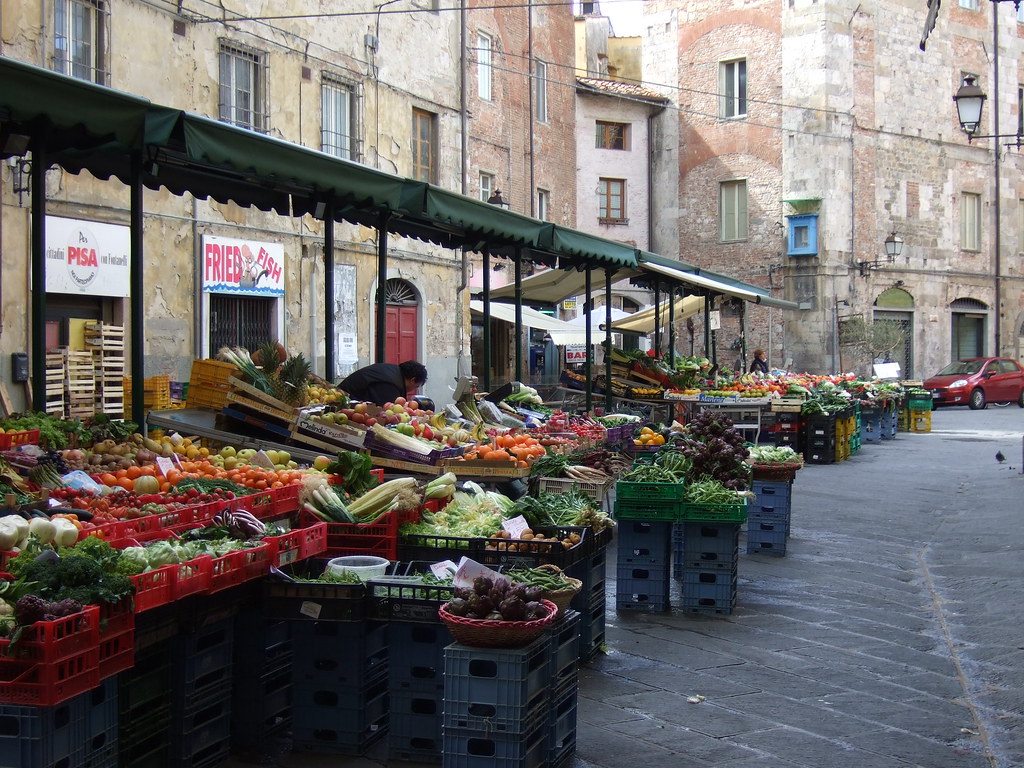
A morning market visit is the fastest way to understand what a place eats. Go early, walk the whole thing once before buying anything, and look at what the busiest stalls sell. Bring small cash and a tote bag.
Food tours
Book a food tour on day one or two. A good guide gives you a mental map of dishes, neighbourhoods and etiquette, which makes every meal after it better. Look for small groups and a route that visits family-run places rather than a single sampling stop.
A sample day
- Morning: market walk and a local breakfast staple.
- Midday: your booked lunch, or a food tour.
- Afternoon: a cooking class, a producer visit or simply a long walk.
- Evening: a casual dinner from your shortlist and a drink at a neighbourhood bar.
Step 5: Budget by meal, not by day
Daily budgets hide where the money actually goes. Budget by meal type instead.
| Meal type | How often | Planning tip |
|---|---|---|
| Splurge dinner or tasting menu | Once or twice a trip | Book early; check deposit and cancellation terms |
| Sit-down lunch | Most days | Often the best-value way into top restaurants |
| Markets and street snacks | Daily | Carry small cash; graze rather than eat one big meal |
| Food tour or cooking class | Once | Book for early in the trip |
| Groceries and picnic | A few times | Saves money and shows what locals buy |
Set a figure for each row, then add a buffer for the unplanned bakery or bottle you’ll inevitably buy. Tipping customs and service charges vary by country, so read up before you go.
Step 6: Eat adventurously and safely
Eating well and staying well go together, especially where tap water isn’t safe to drink. The CDC’s food and drink guidance for travelers gives clear rules for those destinations.
- Choose food served hot. The CDC says hot food should be served steaming hot, and dry foods such as chips are usually safe.
- Be selective with raw foods. The CDC advises avoiding raw foods such as salads and cut vegetables, raw meat or seafood, and items “cooked” with citrus juice. Fruit is safer if you peel it yourself or wash it in bottled or disinfected water.
- Drink from sealed containers. Unopened, factory-sealed bottles or cans are safer than tap water, and steaming hot coffee or tea should be safe. Skip ice and fountain drinks in those places, since both are likely made with tap water.
- Watch the temperature. Food left at room temperature sits in the danger zone between 40°F and 140°F.
- Wash your hands. Use soap and water before eating, or a hand sanitizer with at least 60% alcohol.
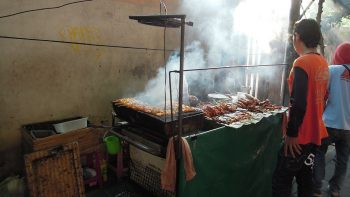
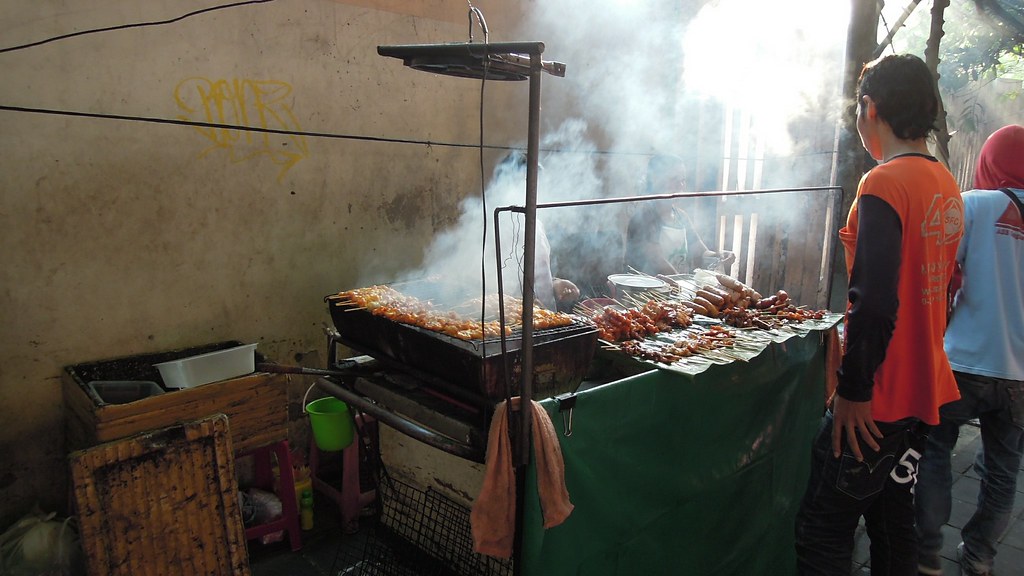
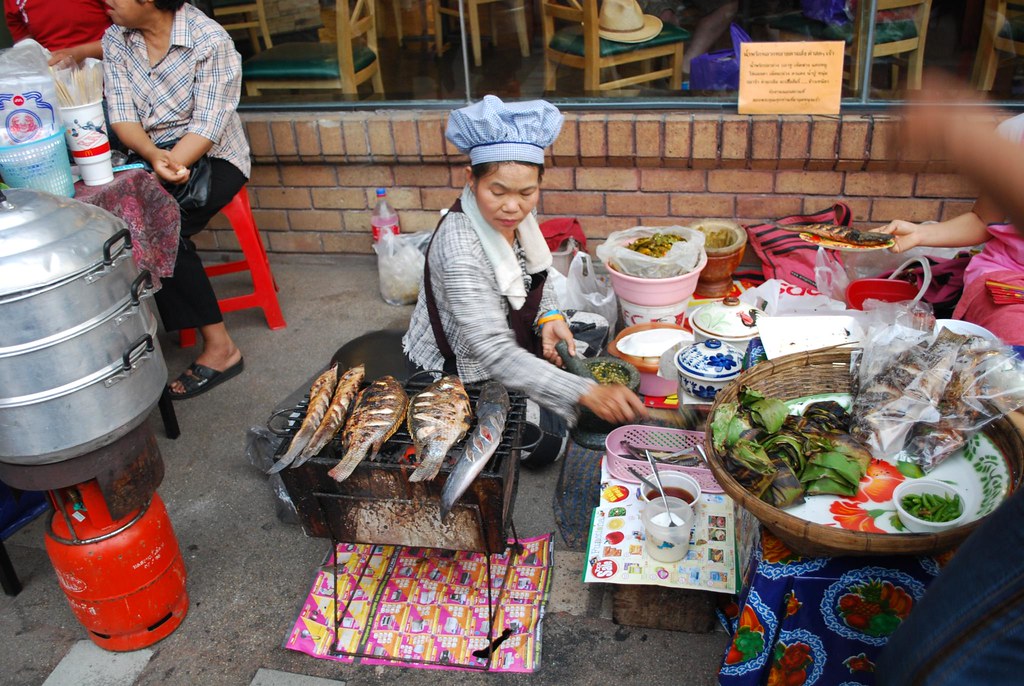
On street food, the CDC Yellow Book is direct: food and drink from street vendors increases the risk of illness, and it adds that fully cooked food served hot is generally safest. If you do eat from stalls, the CDC’s own criteria point to the safer picks: cooked to order, served steaming hot, at a busy stall.
FAQ
How far ahead should I plan a food trip?
Start as soon as you know your dates. The restaurants that need bookings set the timeline, so check when each one releases tables and plan backward from there.
Is a food tour worth it?
Usually, if you take it early. The value is less the tastings and more the knowledge of what to order and where for the rest of your stay.
How do I avoid getting sick while eating abroad?
Follow the CDC basics where water isn’t safe: food served hot, sealed drinks, no ice, fruit you peel yourself, and clean hands before eating.
Should I book every meal in advance?
No. Book the two or three that need it and leave the rest open. Some of the best meals come from a tip picked up at a market or on a tour.
Start with one booking this week
Pick your theme, list the two meals you’d hate to miss, and find out today when those restaurants open bookings. Everything else can follow. For inspiration on where to go, browse the restaurant directory or our latest city guides.
Featured photo: Street food stall outside National Stadium, Bangkok by David McKelvey, BY 2.0.