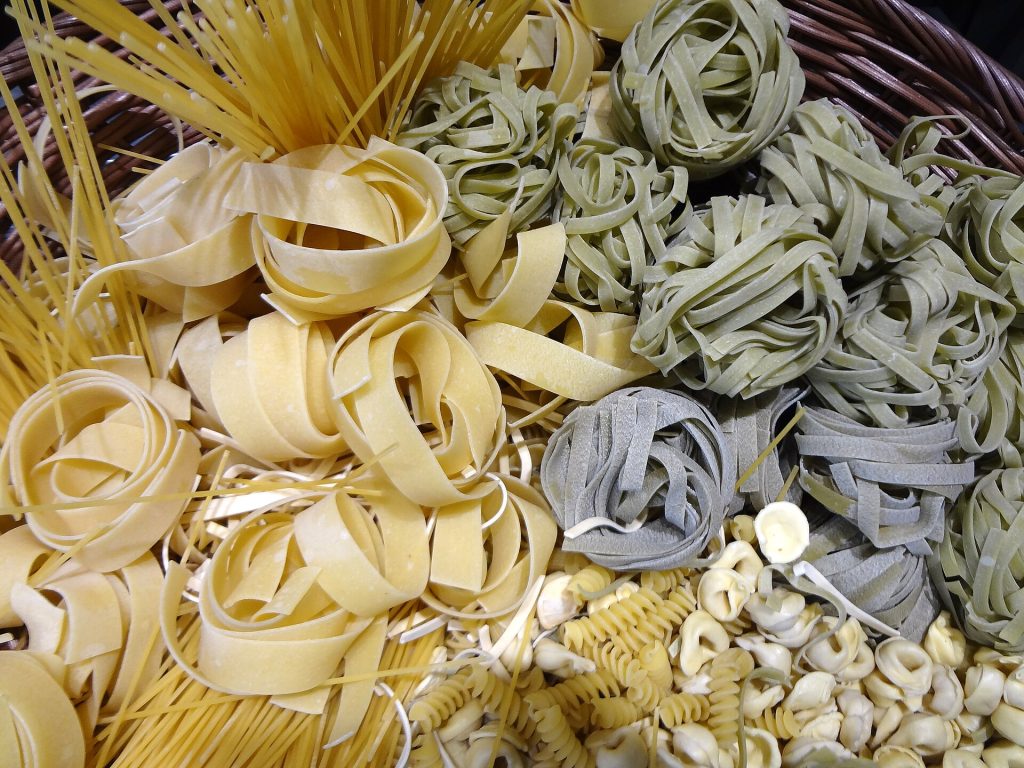
In the cooking class vs food tour choice, the right answer depends on what you want to take home. A food tour is better for a short stay, a first visit or a city built on street food: you taste many things, cover a lot of ground and get your bearings. A cooking class is better when you have a spare half day and want a skill you’ll actually use in your own kitchen.
If your trip is long enough, do both, in that order. Take the tour early to learn what the local food tastes like, then book a class to learn how to make your favourite dish.
Food experiences are now a core part of travel rather than an extra. The World Food Travel Association says 73 percent of leisure travellers qualify as food travellers, and it lists food tours and cooking classes among the main ways destinations show off their food culture.
Key takeaways
- Choose a food tour for breadth: many tastes, several neighbourhoods and a quick orientation to a new city.
- Choose a cooking class for depth: one cuisine, hands-on technique and recipes you can repeat at home.
- Tours suit short stays and street-food cities; classes suit longer trips and cuisines built on technique.
- Classes usually handle dietary needs more easily, because the menu is planned and cooked in front of you.
- On either, tell the operator about allergies when you book, not when you arrive.
In this guide
- The short answer
- Side by side: cooking class vs food tour
- What a cooking class does best
- What a food tour does best
- Dietary needs and food safety
- Booking tips for either one
- FAQ
- How to decide for your next trip
The short answer
Ask yourself one question: do you want to know the city, or know the food? If it’s the city, a tour wins, because you walk between stops, hear local stories and come away with a list of places to return to. If it’s the food, a class wins, because you spend hours on a single cuisine with someone showing you exactly how it’s done.
Your schedule matters almost as much as your interests. Tours tend to be flexible in length and are easy to slot into a morning or evening. Classes often take a bigger block of time once you add a market visit, the cooking and the long, lazy meal at the end.
Side by side: cooking class vs food tour
Formats vary a lot by city and operator, so treat these as typical patterns rather than rules.
| Factor | Cooking class | Food tour |
|---|---|---|
| Time | Usually a half day, sometimes longer with a market visit | Often a few hours, easy to fit round sightseeing |
| Cost tiers | Shared classes at the low end; private chef or farmhouse classes at the top | Short shared walks at the low end; private or multi-course evening tours at the top |
| Group size | Limited by the number of cooking stations | Can run larger, since everyone is walking and tasting |
| What you learn | Technique, ingredients and full recipes | Neighbourhoods, history, local dishes and where to eat later |
| How much you eat | One full meal you cooked | Many small tastes that add up to a meal |
| Dietary flexibility | Easier to adapt dish by dish | Harder, because stops serve set items |
| Best for | Longer stays, keen home cooks, rainy days | First visits, short stays, street-food cities |
| Physical effort | Standing at a counter | Walking between stops, sometimes on hills or stairs |
A food tour shows you the city through its food. A cooking class lets you bring that food home.
What a cooking class does best
You leave with a skill
The real value of a class is what happens after the trip. You leave knowing how to make fresh pasta, a curry paste or a proper tortilla, and you can make it again six months later. That’s something a tasting can’t give you.
You get closer to ingredients
Many classes start with a market visit, which is where you learn what the local herbs, chillies or cheeses actually are and how to choose them. Even without a market walk, handling the ingredients tells you far more than reading a menu does.
Where classes shine
- Cuisines built on technique and pastes, such as Thai, Indian and Mexican cooking.
- Regions known for handmade staples, such as the pasta traditions of Italy.
- Countryside stays, where a farmhouse or village class can be the day’s main event.
- Rainy days, when a few hours indoors with a stove is the best plan going.
The trade-off is time and focus. You’ll spend a big part of a day on one cuisine, and you’ll see one kitchen rather than a city. Pick a class that cooks dishes you want to eat again, not just the most famous thing on the menu.
What a food tour does best
You cover more ground
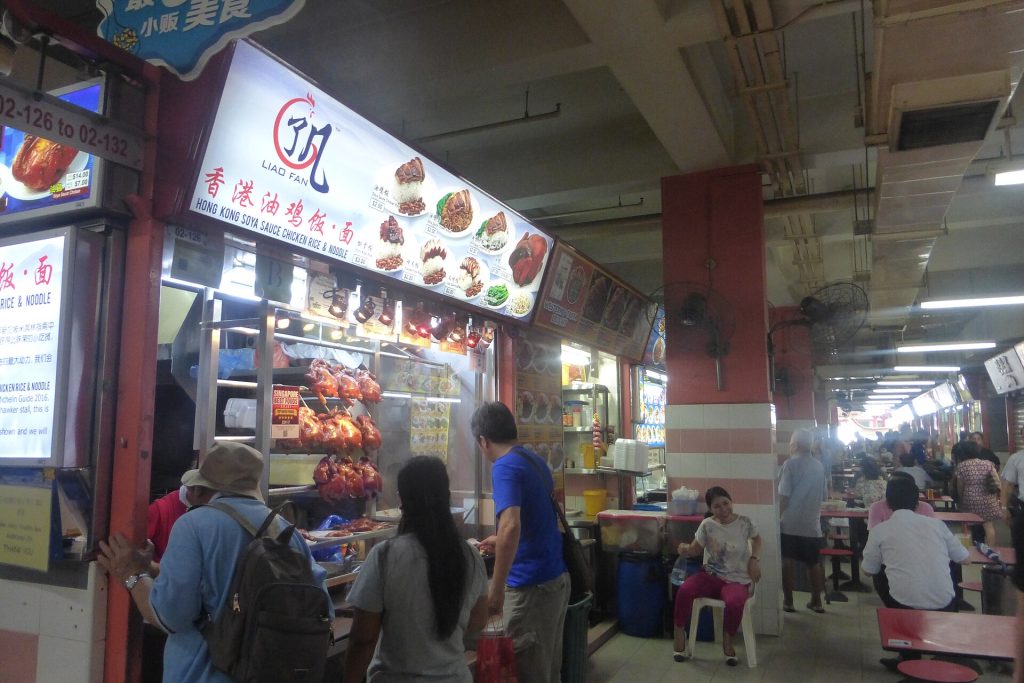
A tour is the fastest way to understand a new food city. In a few hours you’ll try more dishes than you could order on your own, walk through neighbourhoods you might have skipped and learn the stories behind them.
You get a shortlist for the rest of the trip
The hidden benefit of a tour taken early is the list it gives you. You’ll know which bakery, noodle stall or taco stand you want to go back to, and how to order when you do. That makes every meal after it better.
Where tours shine
- Street-food cities, where the best cooking happens at stalls you’d never find alone.
- Market cities, where a guide can explain unfamiliar produce and snacks.
- Short city breaks, where you want the highlights without planning every meal.
- Evenings, when a tour can double as a bar-hop and a dinner.
The trade-off is depth. You taste a lot but make nothing, and a busy route can feel rushed. Look for tours with fewer stops and longer sit-downs if you’d rather savour than sprint. Browse more food and travel guides for ideas on planning your eating days.
Dietary needs and food safety
Allergies and dietary preferences
Classes usually win on flexibility. The menu is set in advance and cooked in front of you, so swaps like tofu for chicken or skipping fish sauce are simple. Tours are harder because each stop serves its own set dish, often made by a vendor rather than the tour company.
If you have a food allergy, give details when you book and again at the start. In the US, the FDA lists nine major food allergens: milk, eggs, fish, crustacean shellfish, tree nuts, peanuts, wheat, soybeans and sesame. Name yours clearly, because a vendor abroad may not use the same categories you’re used to at home.
Street food safety
Food tours often focus on street food, so it’s worth knowing the official advice. The CDC’s guidance for travellers says hot food should be served hot and cold food cold, and advises avoiding raw foods such as fresh salads and uncooked meat or seafood. It also suggests fruit and vegetables may be safer if you can peel them yourself. The CDC advises avoiding street vendors altogether; if you choose to eat street food, it says to follow the same food safety rules.
A good guide helps here, since they choose busy stalls and dishes cooked to order. You can still skip anything you’re unsure about. Nobody minds.
Booking tips for either one
- Check the group size. A small group means more time with the chef or guide and less waiting.
- Read what’s included. Look for the number of dishes or stops, drinks, a market visit and recipes to take home.
- Look at timing. Morning classes often include markets; evening tours often include drinks. Choose the one that fits your day.
- Flag dietary needs early. Put them in the booking form and follow up by message.
- Plan your eating around it. Skip a big breakfast before a tour, and don’t book a heavy dinner after a class.
- Check the cancellation policy. Small classes rely on full bookings, so rules can be strict.
- Wear the right shoes. You’ll walk on a tour and stand for hours in a class.
One more tip: book tours for your first or second day, and classes for later in the trip. You’ll get more from the class once you know what the local food should taste like. If you’re travelling home with ingredients from a class, read our guide to bringing food through customs first.
FAQ
Is a cooking class or a food tour better for a first visit?
A food tour, usually. It orients you, covers more ground and gives you a list of places to eat for the rest of your stay.
Which is better for picky eaters or dietary restrictions?
A cooking class, in most cases, because the menu is planned and dishes can be adjusted as you cook.
Can kids join?
Many classes and tours welcome children, but age limits vary by operator. Check before you book, and consider how far young kids can comfortably walk.
Should I do both on one trip?
If you have four or more days, yes. Take the tour early and the class later so you cook with some context.
How to decide for your next trip
Look at your itinerary and count the free half days. If you have one, and you want a skill to take home, book a class. If you have a few free hours and a city to understand, book a tour. Then find somewhere great to eat on the other nights in our restaurant directory, and read our latest city guides for ideas on where to go next.
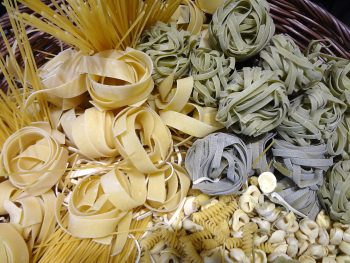
Featured photo: (Pasta) by David Adam Kess (pic.2) by David Adam Kess, BY-SA 4.0.