To host a business dinner at a restaurant well, pick a quiet room you already know, book it a week or more ahead, and pay before anyone sees a bill. At the table, suggest a few dishes so guests know the price range, handle the wine yourself, and let business wait until after the orders are in. Finish with a thank-you the next day.
Most of the work happens before the evening starts. A guest remembers whether they could hear you, whether the food suited them and whether the goodbye felt easy. None of that depends on the most expensive restaurant in town.
Here is the whole job in six steps, drawing on guidance from the Emily Post Institute and university career centres that coach people on business dining.
Key takeaways
- Whoever sends the invitation pays. Arrange payment when you book or on arrival so the bill never reaches the table.
- Choose a restaurant for its noise level and table spacing first, and its menu second.
- Recommend two or three dishes early so guests can read the price range without asking.
- Guests take their cue from you on drinks, courses and when business starts, so set a clear pace.
- Emily Post’s advice to guests is to thank the host twice. As host, you can send the first follow-up yourself.
In this guide
- Step 1: Choose a restaurant that lets you talk
- Step 2: Book it properly
- Step 3: Settle the bill before anyone sits down
- Step 4: Order like a host
- Step 5: Pace the conversation
- Step 6: Close the evening and follow up
- FAQ
- Your planning list for the next one
Step 1: Choose a restaurant that lets you talk
The best business dinner venue is one where you can hear each other without leaning in. Food matters, but a brilliant menu in a room with a thumping soundtrack will wreck the evening. Pick somewhere you have eaten before, so you know the noise level, the pace of service and whether the portions are tidy enough to eat while talking.
What to check before you commit
- Noise. Visit at the same time and day of the week you plan to book. A quiet Monday lunch room can be a very different place on Thursday night.
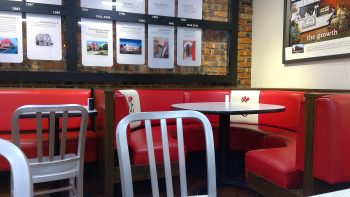
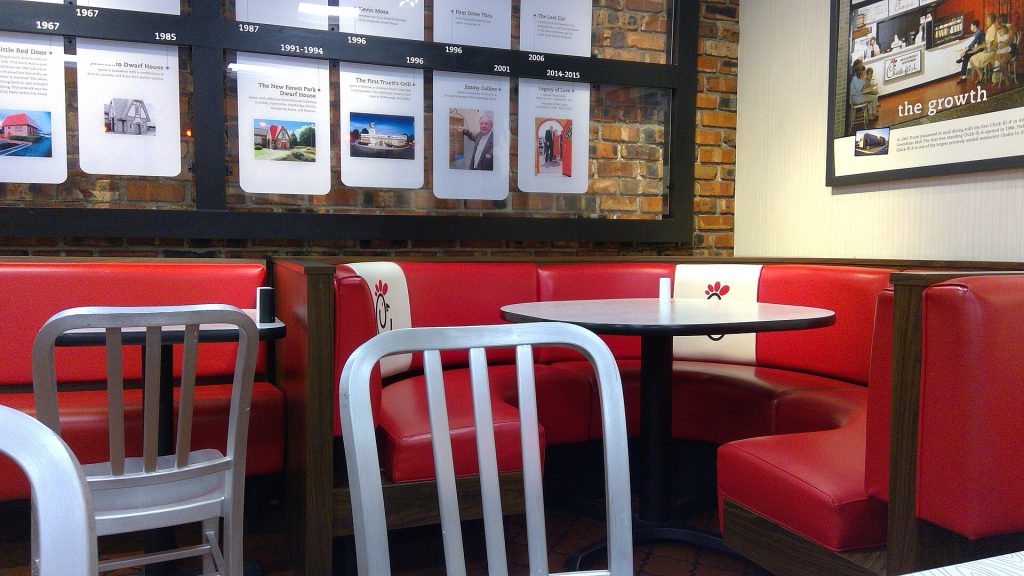
- Table spacing. Deals and personnel talk need a little privacy. Ask for a corner table or a booth.
- Private or semi-private rooms. For groups of six or more, a private room keeps the conversation contained. Ask about minimum spend and whether a set menu is required.
- Location. Choose somewhere easy for your guest to reach, close to their office or hotel, with simple parking or transit.
- Menu range. Look for a spread of dishes, including clear vegetarian options, so no one is stuck with a side salad.
Browse our restaurant directory for options near your guest, and read the latest eat out guides for rooms that suit a quieter evening.
Step 2: Book it properly
- Book early. A week ahead is sensible for a regular table. Private rooms and busy weeks may need more notice.
- Give the reason for the booking. Tell the restaurant it’s a business dinner. Many will seat you away from the kitchen doors and the bar.
- Ask about dietary needs in advance. A short note to your guests, such as “Anything you don’t eat?”, lets you warn the kitchen and choose a venue that can cope.
- Confirm the day before. Check the time, the headcount and the table request.
- Send guests the details. Address, time, dress expectations and parking, in one message.
On the night, arrive 10 to 15 minutes early. That gives you time to check the table, settle the payment and greet guests at the door instead of rushing in after them. Emily Post’s business dining tips put arriving on time at the top of the list for guests, so the host should be there first.
Step 3: Settle the bill before anyone sits down
The rule is simple. According to the Emily Post Institute’s guidance on who pays for business meals, the person who did the asking does the paying. The practical challenge is making sure no one wrestles you for the check.
Two ways to keep the bill off the table
- Pay in advance. Emily Post suggests giving your card details when you make the reservation and asking the restaurant to charge the meal plus a 20 percent tip.
- Tell the staff on arrival. Let the maître d’ or server know the bill comes to you at the end of the meal. When it arrives, keep it in hand rather than setting it down between you.
If a guest still insists, the Institute’s suggested line is warm and final: “Sorry, this one’s on me. Next time, you can treat.” Be firm but kind, and move the conversation on.
The best business dinners end without anyone seeing the bill.
Step 4: Order like a host
Signal the price range
Guests don’t want to overspend on your company’s card, and they won’t ask what’s acceptable. Emily Post’s advice to guests is to avoid expensive outliers and market-price items unless the host suggests them. So suggest them. Saying “The halibut here is excellent, and the steak is worth it” tells everyone that the top of the menu is fair game.
Match the courses
If you want a starter, say so first, so your guest doesn’t feel awkward ordering one alone. Do the same with dessert. The aim is for everyone to eat at the same rhythm, because a guest who finished their only course 20 minutes ago will start watching the clock.
Handle the wine
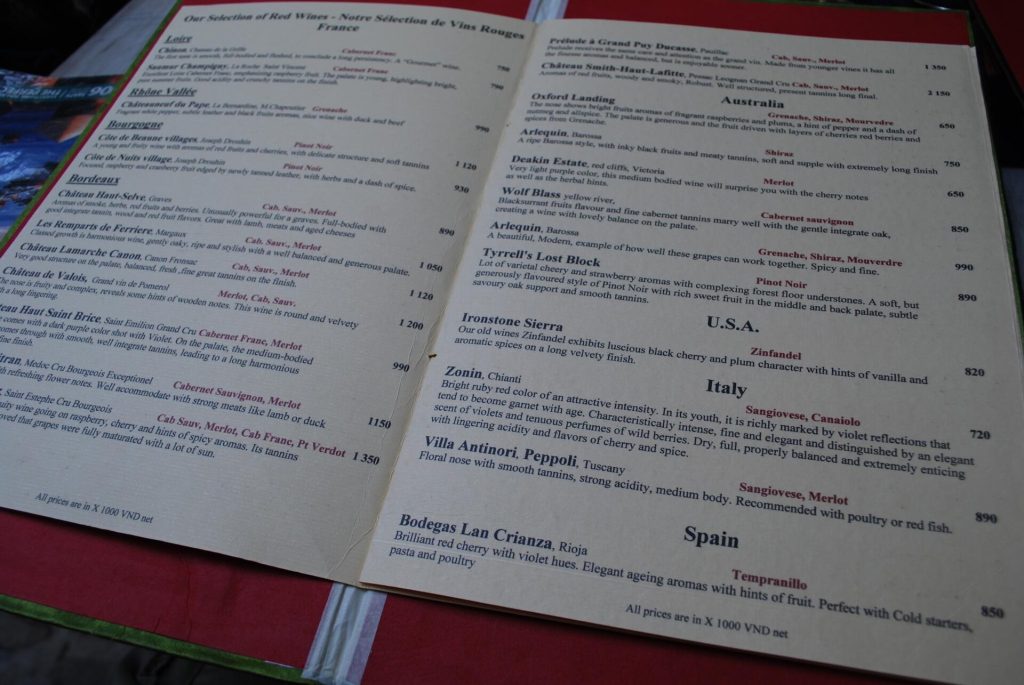
As host, take the wine list or hand it to the guest who clearly knows it best. A bottle for the table is easier than several glasses ordered one by one. Keep your own intake modest. Emily Post advises guests at business meals not to drink at all or to stick to one alcoholic drink, and a university career centre, the University of Houston’s Bauer College, goes further for recruiting dinners, suggesting candidates skip alcohol entirely. Always make it easy for anyone to order something non-alcoholic without comment.
Make dietary needs invisible
If you asked ahead, you already know who is vegetarian or avoiding certain foods. Mention the dishes that work for them in passing, rather than announcing anyone’s needs to the table. The same Bauer guide suggests guests avoid messy dishes such as spaghetti or anything eaten with the hands, so favour a menu where tidy options exist.
Step 5: Pace the conversation
The Emily Post Institute is clear that it is up to the host to initiate any business conversation. Guests are coached to wait for you, so if you never raise the topic, it may never come up. Plan the evening in phases.
| Stage | What happens | Host’s job |
|---|---|---|
| Arrival and drinks | Greetings, introductions, first orders | Introduce everyone and suggest dishes |
| Starters | Small talk, getting to know each other | Ask questions and listen |
| Main course | The business conversation | Raise the topic once plates are down |
| Dessert and coffee | Agreement on next steps | Summarise what was decided |
| Goodbye | Coats, cars, thanks | Walk guests out and confirm follow-up |
Keep the first half of the meal social. Ask about their trip, their team or their city. Leave politics and religion alone; the Bauer guide lists both as topics to avoid. When the mains arrive, move into business with a natural bridge such as “I’d love to hear where you’re at on the project.”
Keep your phone silenced and out of sight all evening. Emily Post’s top ten tips say never to use or check it at the table, and that applies twice over to the person who set the meeting.
Step 6: Close the evening and follow up
- Offer dessert or coffee, and take the lead on whether the table orders.
- Confirm the bill is handled quietly with the server, away from the table if possible.
- Summarise the next steps in a sentence: who will send what, and by when.
- Walk guests out. See them to their car or taxi if you can.
- Follow up within a day. A short note thanking them for their time, with any promised documents attached.
Emily Post’s tips tell guests to thank the host twice: once at the end of the meal and again with a note the next day. As the host, sending your own note the next morning keeps the momentum from the dinner and puts the next steps in writing.
FAQ
Who pays at a business dinner?
The person who issued the invitation. The Emily Post Institute recommends arranging payment when you book or on arrival so there’s no tussle over the check.
When should business be discussed at dinner?
The host decides. A common approach is small talk through the starters and business once the main course arrives, with next steps agreed over coffee.
How much should guests drink?
Emily Post advises guests to skip alcohol or keep to one drink. As host, keep your own intake modest and make non-alcoholic options easy to order.
What if a guest has a food allergy?
Ask about dietary needs when you invite, call the restaurant in advance, and choose a venue with clear options. Let the guest speak to the server directly about details.
Your planning list for the next one
Before your next business dinner, run through this list: a restaurant you’ve tested for noise, a booking with a table request, payment arranged, dietary needs checked, two or three dishes in mind to recommend, and a follow-up note drafted. Find a suitable room in our restaurant directory, read up on tipping etiquette and our guide to booking a private dining room.
Featured photo: Corner booth, original Chick-fil-A, Atlanta by Ser Amantio di Nicolao, BY-SA 4.0.