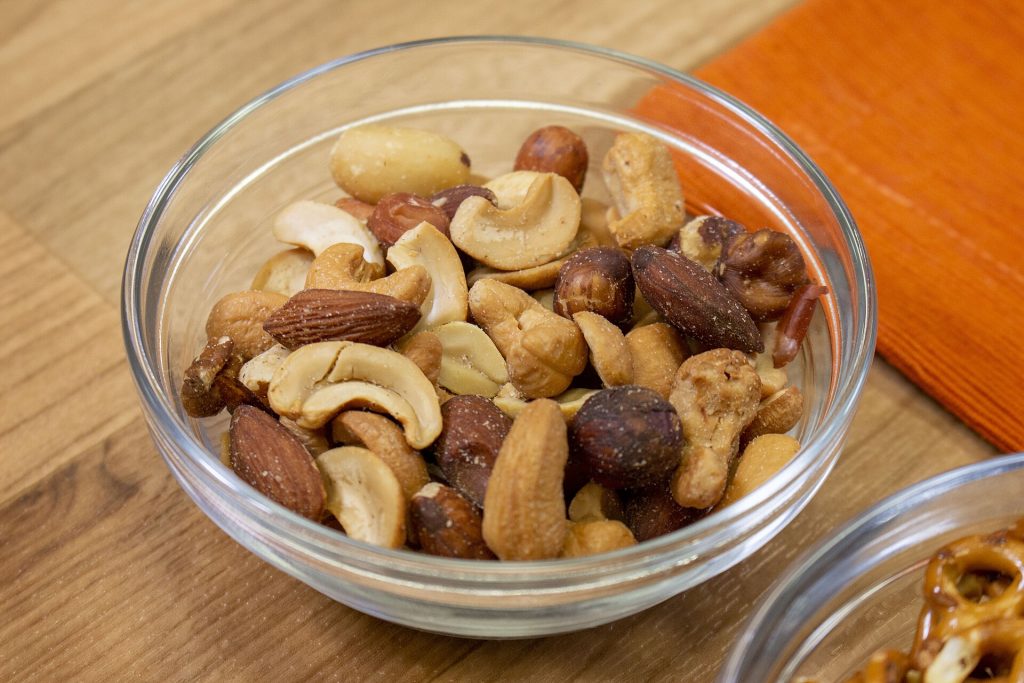
The best holiday travel snacks are solid, sturdy and easy to eat with one hand: sandwiches, crackers, nuts, jerky, granola bars and whole fruit. They pass airport security without limits. Anything you can spread, pour or scoop, from peanut butter to hummus, counts as a liquid in your carry-on and must fit the 3.4-ounce rule. On a road trip, a cooler kept at 40°F or below lets you bring almost anything.
Holiday travel adds its own twist. There are more delays, longer lines and a pile of leftover pie that someone wants to take home. A packed bag of snacks means you’re not paying airport prices or eating from a gas station at 9pm.
Use the checklists below to pack by trip type, and tick off each item as it goes in the bag.
Key takeaways
- Solid foods such as sandwiches, fruit, crackers and jerky are allowed in carry-on bags without size limits.
- Spreads, dips, yogurt, jam and similar foods count as liquids: 3.4 ounces or less per container in your carry-on.
- Ice packs are allowed through security only if they’re frozen solid when screened.
- Keep perishables at 40°F or below, and don’t leave them out for more than 2 hours, or 1 hour above 90°F.
- Entering the US from abroad, declare all food and agricultural items. Declaring carries no penalty, even if an item is refused.
The one rule that decides airport snacks
Airport security in the US sorts food into two groups: solids and everything else. As Afar’s guide to flying with food explains, solid foods aren’t subject to the liquids rule at all, while foods classed as liquids, pastes or gels must be in containers of 3.4 ounces or less in your carry-on. Those containers go in your single quart-size bag with your toiletries.
The test is easy to apply at home. If it holds its shape at room temperature, like a sandwich, a cookie or a chunk of hard cheese, it’s a solid. If you can spread it, pour it or spoon it, treat it as a liquid. Some airports are rolling out newer CT scanners that change how bags are screened, but the 3.4-ounce limit itself hasn’t changed, so pack to the rule.
If you can spread it, pour it or scoop it, it counts as a liquid at the checkpoint.
Checklist: snacks that pass security easily
These pack easily, survive being squashed and won’t hold up the line.
- ☐ Sandwiches and wraps, with fillings that won’t go soggy
- ☐ Whole fruit such as apples, clementines and bananas
- ☐ Cut vegetables such as carrots, snap peas and bell pepper strips
- ☐ Crackers, pretzels and rice cakes
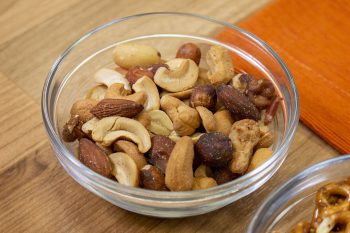
- ☐ Nuts, trail mix and roasted chickpeas
- ☐ Beef or turkey jerky
- ☐ Granola or protein bars
- ☐ Hard cheese, cubed or sliced
- ☐ Cookies, brownies or a slice of holiday cake
- ☐ Dumplings, grain bowls or cold pizza for a longer flight
Afar’s list of approved solids includes sandwiches and wraps, fresh fruit and vegetables, protein bars, crackers, jerky, grain bowls and dumplings. Pies and cakes are allowed too, so the leftover dessert can come home in your cabin bag.
Checklist: spreads and dips under 3.4 ounces
These are the snacks that most often get taken at the checkpoint. Afar lists peanut and nut butters, yogurt, syrups and condiments, jams and jellies, creamy cheeses and dips, hummus, soups and pâté among the foods covered by the liquids rule. Its example makes the point well: a 1.2-ounce packet of nut butter is fine, but a five-ounce yogurt won’t make it through.
- ☐ Single-serve nut butter packets, 3.4 ounces or less
- ☐ Mini hummus or guacamole cups within the limit
- ☐ Small jam or honey portions for toast or crackers
- ☐ Salad dressing in a travel bottle, or dress the salad before you leave
- ☐ Everything above fits in your one quart-size bag
- ☐ Full-size jars and tubs go in checked luggage instead
Holiday leftovers are the classic trap. Gravy, cranberry sauce and dips are all spreadable or pourable, so pack them in checked luggage or leave them behind.
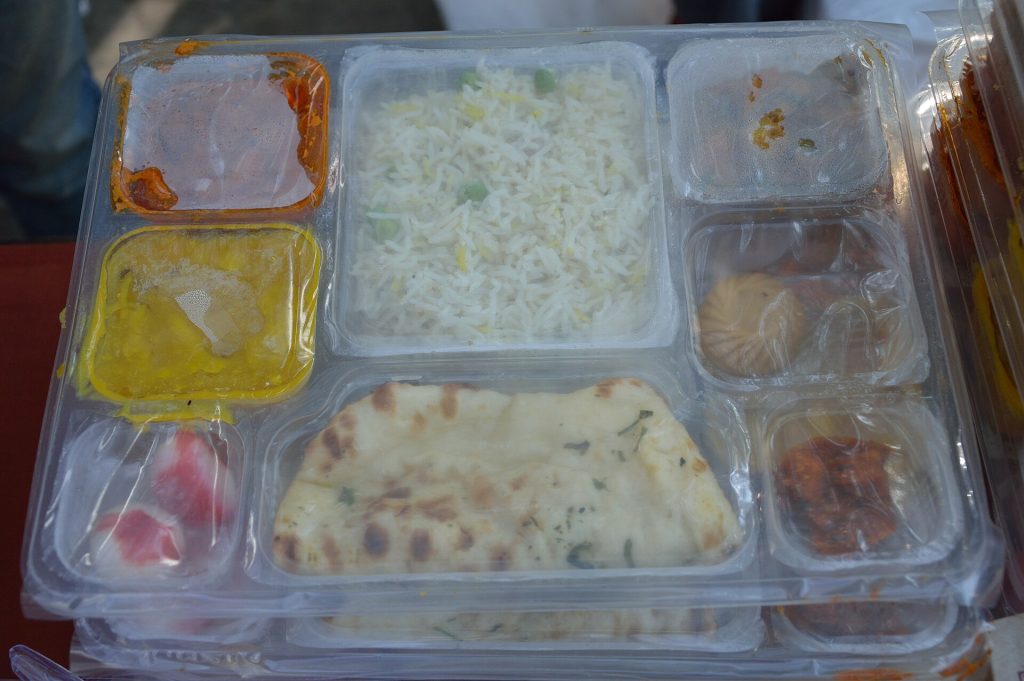
Flights vs road trips at a glance
Road trips are far more forgiving. There’s no security line, so full-size tubs, drinks and a proper cooler are all fine. Here’s how the two compare.
| Snack or item | Flight carry-on | Road trip |
|---|---|---|
| Sandwiches, fruit, crackers | Allowed, no size limit | Allowed |
| Peanut butter, hummus, yogurt | 3.4 oz or less per container, in your liquids bag | Any size, keep perishables cold |
| Ice packs | Only if frozen solid at screening | Allowed; refreeze or top up with ice |
| Drinks | Buy after security | Pack a separate drinks cooler |
| Pies and cakes | Allowed | Allowed; pack flat |
| Raw meat or seafood | Not practical | Wrapped, frozen, at the bottom of the cooler |
On a flight, stick to shelf-stable snacks you’ll eat within a few hours. In the car, you can bring real meals, as long as you manage the temperature.
Checklist: perishables and the cooler
Perishable food is where holiday travel can go wrong. The FDA’s guidance on eating outdoors says cold food should be kept at 40°F or below, and that food shouldn’t sit in the danger zone between 40°F and 140°F for more than 2 hours, or 1 hour when it’s above 90°F. A long drive or a delayed flight can easily pass that mark.
- ☐ Cooler with ice or frozen gel packs
- ☐ Separate cooler for drinks, so the food cooler stays closed
- ☐ Meat, poultry and seafood packed while still frozen
- ☐ Raw items wrapped securely and kept away from ready-to-eat food
- ☐ Cooler opened as little as possible
- ☐ Cheese, cut fruit and dairy eaten early in the trip
- ☐ Anything left out past the time limit thrown away, not saved
The separate drinks cooler is an FDA tip that makes a real difference: every time someone grabs a soda, warm air gets in. For flights, Afar notes that ice packs are allowed through security as long as they’re frozen solid when screened, but become a problem once they thaw.
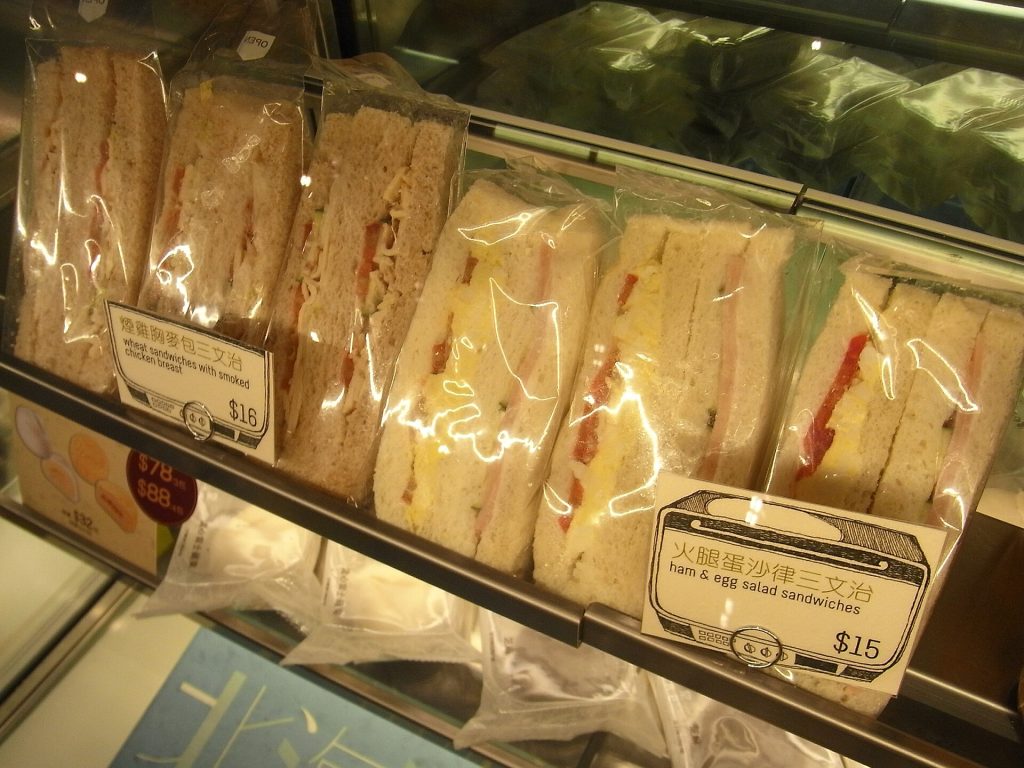
Checklist: allergy-aware packing
Travel days make allergies harder to manage, because you can’t always read a label or ask a cook. The FDA lists nine major food allergens: milk, eggs, fish, crustacean shellfish, tree nuts, peanuts, wheat, soybeans and sesame.
- ☐ Enough safe snacks for the whole journey, plus delays
- ☐ Snacks in their original packaging, so labels can be checked
- ☐ Separate, labelled bags for anyone with an allergy in your group
- ☐ Wipes for tray tables and armrests
- ☐ Nut-free choices if you’ll be sitting near others in a small space
- ☐ Any medication your doctor has prescribed, in your carry-on
Holiday food shared by relatives is the hardest to vet. Pack your own, even if it feels over-cautious, and check labels for anyone travelling with you.
Crossing a border with food
International trips add customs to the picture, and the rules are strictest for fresh produce and meat. For travel into the US, the USDA’s Animal and Plant Health Inspection Service says travellers must declare all agricultural products to U.S. Customs and Border Protection. It also says you won’t be penalised for declaring, even if an inspector decides an item can’t enter.
- Eat fresh fruit, sandwiches and meat snacks before you land.
- Keep receipts and original packaging for any food you’re bringing home.
- Tick the food box on your declaration if you’re carrying any food at all.
Other countries set their own rules. Read our guide to bringing food through customs before you pack gifts from abroad.
FAQ
Can I bring homemade food on a plane?
Yes, if it’s solid. Sandwiches, cookies, pies and cakes are fine. Spreadable or pourable dishes such as gravy or dip must meet the 3.4-ounce rule in carry-on bags.
Is peanut butter a liquid for airport security?
Yes. Nut butters count as spreads, so each container must be 3.4 ounces or less and fit in your quart-size bag.
Can I bring an ice pack through security?
Yes, if it’s frozen solid when screened. Once it has thawed or turned slushy, it won’t be allowed through.
How long can sandwiches stay out of the cooler?
If they contain perishable fillings, no more than 2 hours, or 1 hour when it’s above 90°F, according to the FDA.
Pack the night before
The night before you travel, lay out your snacks and sort them into three piles: solids for the carry-on, small spreads for the liquids bag, and anything else for the cooler or checked bag. Freeze your ice packs, pack the drinks separately, and add a few extra bars for delays. For more trip planning, browse our food and travel guides and our tips on eating well at the airport.
Featured photo: Mixed Nuts (Alabama Extension) by Alabama Extension, CC0.