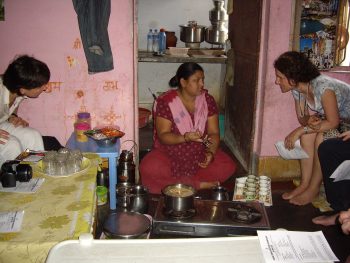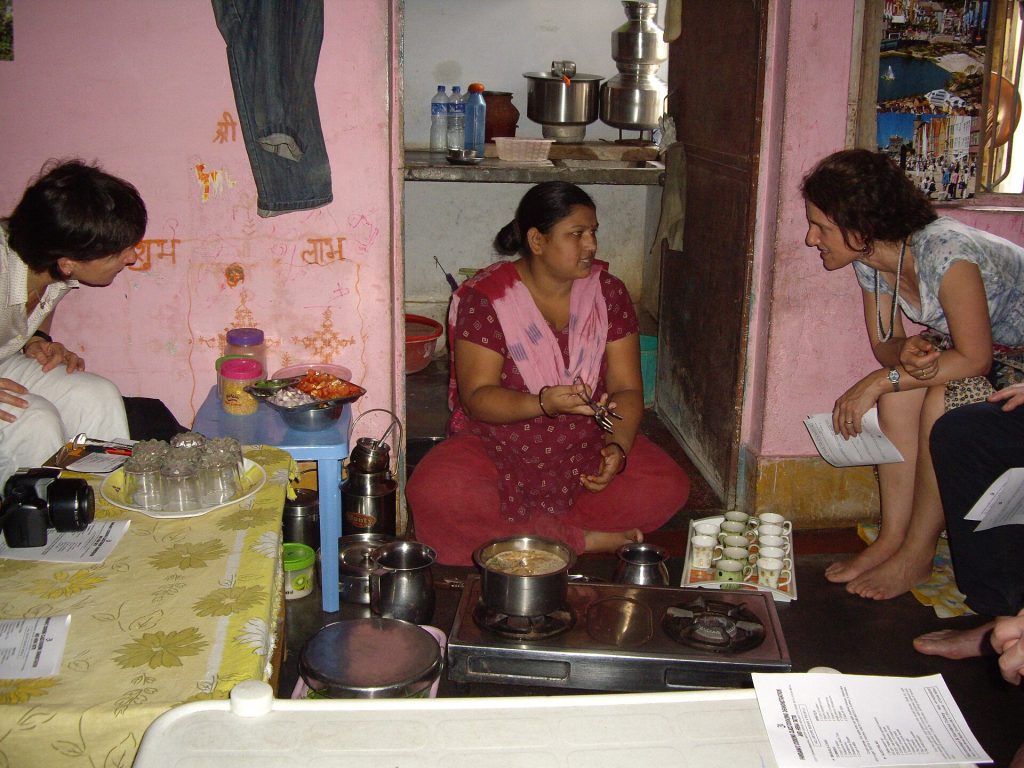
The right culinary vacation matches the kind of food experience you want with your skill level, group size, dietary needs and budget. Decide first whether you want to cook, taste or explore, then compare what each trip actually includes, check the operator’s cancellation terms in writing, and buy travel insurance that covers the activities on your itinerary.
Food trips range from a single cooking class bolted onto a city break to a week on a farm or a guided tour through a wine region. They all sound appealing in a brochure. The differences show up in the small print.
This buyer’s guide walks through the main trip types, the criteria to weigh, how budget tiers differ, the warning signs of a poor or fraudulent offer and the insurance and food-safety basics worth sorting before you fly.
Key takeaways
- Pick the trip type first: cooking school, farm stay, wine region, food festival or guided food tour.
- Group size, skill level and dietary needs shape the experience more than the destination does.
- Get a written list of what’s included and the cancellation policy before you pay.
- The FTC warns against anyone who will only take wire transfers, gift cards or cryptocurrency, or who pressures you to decide quickly.
- Medicare and Medicaid don’t pay for care outside the US, so check your cover and consider travel medical insurance.
Start with the type of trip
Most culinary trips fall into five broad types. Each suits a different traveller, and mixing them up is the most common reason people come home disappointed.
| Trip type | What you do | Best for | Watch out for |
|---|---|---|---|
| Cooking school | Hands-on classes, often several days in a row | People who want to bring skills home | How much time you actually spend cooking versus watching |
| Farm stay | Stay on a working farm, pick produce, cook with hosts | Slow travellers, families, the curious | Rural transport and basic facilities |
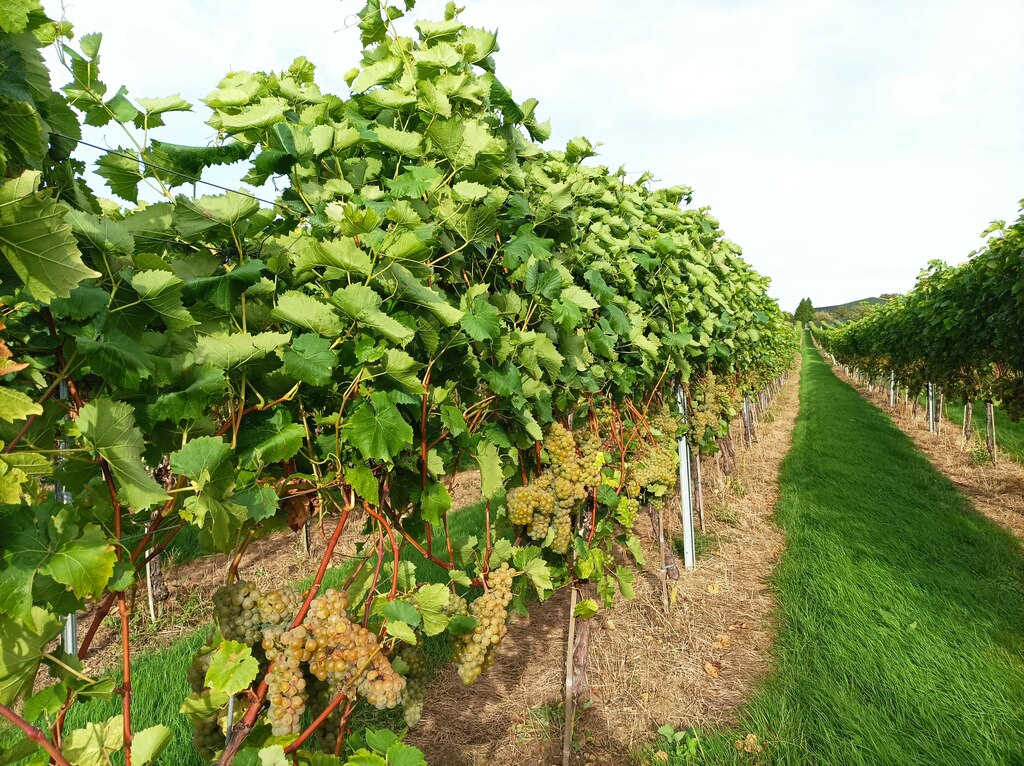
| Wine region trip | Cellar visits, tastings, vineyard meals | Wine lovers, couples | Who drives between tastings |
| Food festival | Tastings, demos and events over a few days | Social travellers, first-timers | Crowds, and tickets sold separately |
| Guided food tour | Markets, producers and restaurants with a guide | Travellers who want context without cooking | Pace, walking distance and tasting sizes |
If you’re unsure, a single-day class or tour on a regular holiday is a low-risk way to test the idea before committing to a full week.
The criteria that matter most
Group size
Small groups mean more time at the stove and more questions answered. In a large class, you may share a station and spend much of the session watching a demonstration. Ask for the maximum group size and the ratio of instructors to guests, not just the average.
Skill level
Look for an honest description of who the class is for. A beginner in an advanced pastry course will struggle, and an experienced home cook will be bored by knife-skills basics. Good operators say what you’ll cook, what techniques they’ll cover and what experience they assume.
Dietary needs
Raise allergies, intolerances and dietary choices before you book, not on arrival. Ask how the kitchen handles them, whether menus can be adapted and whether shared equipment is used. If the answers are vague, treat that as a warning, especially where a regional speciality is built around the ingredient you avoid.
What’s included
- Accommodation, and whether it’s on site or a drive away.
- Meals: which are included, and whether you eat what you cook.
- Drinks, including wine with meals and at tastings.
- Transport from the airport and between activities.
- Market visits, producer visits and excursions.
- Equipment, aprons and printed recipes.
- Gratuities for guides, drivers and kitchen staff.
Budget tiers: what changes as you spend more
Rather than chase the lowest price, compare what each tier buys you. Culinary trips tend to fall into three broad bands.
Entry level: a class or tour on your own trip
You book your own flights and room, then add one or two cooking classes or guided food walks. You control the budget and the schedule, and a disappointing class costs you an afternoon rather than a holiday. The trade-off is more planning.
Mid-range: a packaged short break
A few nights with accommodation, several classes or tastings and some meals included. This is where the inclusions list matters most, because two packages at a similar price can cover very different things.
Premium: an all-inclusive culinary week
Small groups, hosted meals, private producer visits and transport throughout. You pay more, but the planning is done for you. Check exactly who is teaching and how much hands-on time you get, since the headline name on a premium trip isn’t always the person at your station.
Compare culinary trips by what they include, not by what they cost, because the cheapest package often leaves the best parts off the list.
Red flags before you book
Most operators are honest, but food trips attract the same scams as any other travel offer. The Federal Trade Commission’s advice on travel scams lists warning signs that apply directly.
- A “free” trip you have to pay for. The FTC says scammers offer free vacations that come with costs.
- Vague details. No clear itinerary, no named venues and no specific inclusions.
- Unusual payment demands. Anyone who will only take wire transfers, gift cards, payment apps or cryptocurrency.
- Pressure to decide now. Countdown offers and “last place” messages are designed to stop you checking.
- No written cancellation policy. The FTC recommends getting it in writing before you pay.
Beyond scams, watch for quality red flags too: no information on group size, no way to ask questions before booking, or reviews that describe a class as mostly watching.
Travel insurance and food safety basics
Insurance
The US State Department’s travel insurance guidance points out that Medicare and Medicaid don’t pay for medical care outside the United States. Check whether your own health plan covers you abroad, and if not, consider a short-term policy. The department strongly recommends medical evacuation insurance for areas with higher risk or limited medical care.
- Check the activities. The State Department suggests confirming a policy covers the activities you’ll do, which matters if your trip includes cycling between vineyards or hiking to a farm.
- Check pre-existing conditions and that cover lasts for the whole trip.
- Know what trip cancellation covers. It helps you recover costs if you cancel or change plans, but typically doesn’t cover medical costs abroad.
- Look for a 24-hour support line.
Food and water safety
A cooking trip means eating a lot of unfamiliar food, and it’s worth knowing the risks where sanitation is poor. The CDC’s food and water precautions for travellers say fully cooked food served hot is safest, and advise caution with raw or undercooked meat, fish and eggs, unpasteurised dairy, and ice unless you’re reasonably sure it was made with safe water. Ask your operator how produce is washed and what water the kitchen uses.
FAQ
What is a culinary vacation?
A trip built around food: cooking classes, farm stays, wine tastings, food festivals or guided tours of markets and producers.
Do I need cooking experience?
No. Many classes are designed for beginners. Check the stated skill level and what you’ll cook before booking.
How do I make sure my dietary needs are met?
Tell the operator in writing before you pay, ask how they adapt menus and handle shared equipment, and get their answer in writing.
Do I need travel insurance for a cooking holiday?
It’s wise. Check that your health cover works abroad, and that any policy covers the activities on your itinerary and your full travel dates.
Your booking checklist
Before you book, run through this list with the operator’s answers in front of you.
- Choose the trip type that matches what you want to do.
- Confirm the maximum group size and hands-on time.
- Check the skill level against your own.
- Send your dietary needs in writing and keep the reply.
- Get the full list of inclusions and the cancellation policy in writing.
- Pay by a traceable method, never by wire transfer or gift card.
- Arrange travel insurance that covers your activities.
For more trip ideas, browse our food travel guides, read our tips on choosing a food tour and our guide to getting the most from a cooking class.
Featured photo: Cooking class (5104746791) by krebsmaus07, BY 2.0.