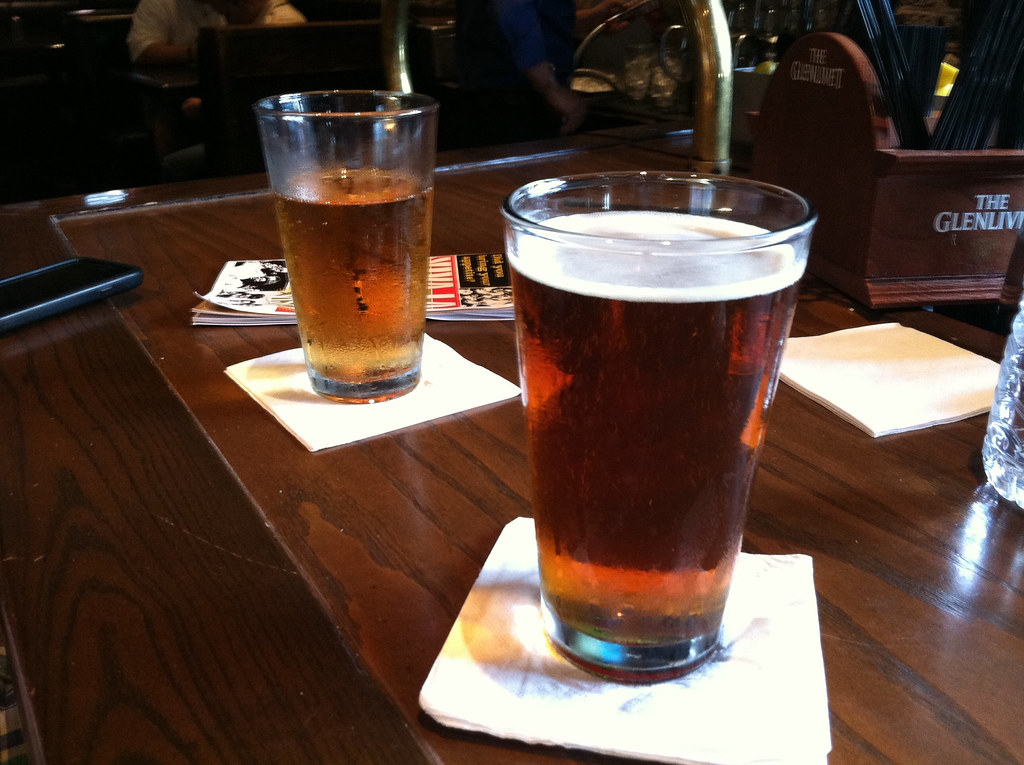
The beer before liquor myth says the order of your drinks decides how you’ll feel tomorrow. It doesn’t. The best test so far, a 2019 randomised trial, found that the order of beer and wine made no significant difference to hangovers. What matters is how much alcohol you drink.
Bar folklore is full of rules like this: coffee sobers you up, clear spirits are safe, a big dinner keeps you sober, and there’s a secret hangover cure. Some contain a grain of truth. Most fall apart when researchers look closely.
Here are seven common drinking myths, taken one at a time, with what the evidence says. None of this is a licence to drink more; if anything, it’s the opposite.
Key takeaways
- A 2019 trial of 90 volunteers found no significant hangover difference whether beer or wine came first.
- NIAAA says the more alcohol you drink, the worse the hangover, whatever the mix of drinks.
- Darker spirits carry more congeners and could worsen hangovers for some people, but quantity still matters most.
- Coffee may reduce drowsiness but not alcohol’s effect on judgment or coordination.
- There is no proven hangover cure; NIAAA says the only cure is time.
Seven myths at a glance
| Myth | Fact |
|---|---|
| Beer before liquor, never been sicker | Drink order made no significant difference in a controlled trial; total alcohol matters |
| Clear spirits never give you a hangover | Darker spirits may worsen symptoms for some, but any spirit in quantity can |
| Coffee sobers you up | Caffeine can mask drowsiness, not impaired judgment or coordination |
| You start sobering up the moment you stop | Alcohol keeps entering the bloodstream for hours after the last drink |
| A big meal stops you getting drunk | Food slows absorption and lowers the peak, but doesn’t prevent intoxication |
| There’s a hangover cure | None has been scientifically proven; time is the only cure |
| A drink warms you up | Alcohol makes you feel warm while your body temperature drops |
Myths about order and type
Myth 1: Beer before liquor, never been sicker
The rhyme has many versions, including “beer before wine and you’ll feel fine.” Researchers from Witten/Herdecke University and the University of Cambridge put the wine-and-beer version to the test. Their trial, published in the American Journal of Clinical Nutrition in 2019, assigned 90 volunteers aged 19 to 40 to three groups.
According to the University of Cambridge summary, one group drank around two and a half pints of beer followed by four large glasses of wine, a second group drank the same in reverse order, and a control group drank only beer or only wine. A week later, participants switched, so each acted as their own control.
The result: neither type nor order of drinks significantly affected hangover intensity. The strongest predictors of a bad morning were how drunk people felt and whether they vomited. The study tested beer and wine, not spirits, but its lead author’s conclusion applies broadly: drinking too much of any alcoholic drink is likely to result in a hangover.
The order of your drinks is trivia. The number of drinks is the whole story.
Myth 2: Clear spirits never give you a hangover
This one is half right. The National Institute on Alcohol Abuse and Alcoholism notes that darker spirits such as bourbon tend to have higher levels of congeners than clear spirits and could worsen hangover symptoms for some people. That’s a nudge, not a free pass. NIAAA is equally clear that, in general, the more alcohol a person drinks, the worse the hangover, regardless of whether it’s beer, wine, spirits or a combination.
Myths about sobering up
Myth 3: Coffee sobers you up
An espresso at last call might make you feel sharper, but NIAAA’s guidance on holiday drinking says caffeine may help with drowsiness but not with alcohol’s effects on decision-making or coordination. The risk is that you feel more capable than you are, which is exactly the wrong moment to make decisions like driving.
Myth 4: You start sobering up as soon as you stop drinking
Putting the glass down doesn’t stop the clock. NIAAA explains that even after someone stops drinking, alcohol in the stomach and intestine continues to enter the bloodstream, leading to impaired judgment and coordination for hours. Someone can seem fine at the table and be more impaired an hour later.
Myth 5: A big meal means you won’t get drunk
Eating does help, just not as much as people think. NIAAA says food can slow the absorption of alcohol and reduce the peak level in the body by about one-third. That’s a useful reason to eat with your drinks. It isn’t a shield that lets you drink more.
Myths about the morning after
Myth 6: There’s a proven hangover cure
Greasy breakfasts, pickle juice, hair of the dog and supplement packs all have fans. NIAAA’s verdict: although many remedies circulate online and on social media, none have been scientifically proven to be effective. It states plainly that there is no cure for a hangover other than time, and that the only way to avoid one completely is not to drink or to keep intake to a minimum.
Myth 7: A drink will warm you up
That warm glow is misleading. According to NIAAA, alcohol widens the small blood vessels just under the skin, so you feel warmer while your body temperature is actually dropping. Worth remembering on a cold walk between bars or at an outdoor winter event.
What actually makes a better night out
Once the myths are cleared away, the useful advice is simple, and none of it depends on the order of your drinks.
- Decide your number before you go out. A limit set at home is easier to keep than one set at midnight.
- Eat with your drinks. Food lowers the peak; it doesn’t cancel the alcohol.
- Alternate with water or a good non-alcoholic option. It slows your pace without leaving you empty-handed.
- Plan the ride home before the first round. NIAAA notes that the coordination needed for driving is compromised long before you show signs of intoxication.
- Look out for your group. If someone is vomiting or can’t stay awake, get help rather than leaving them to sleep it off.
Want a night out that doesn’t revolve around volume? Our bars and nightlife guides point to places worth savouring, and great alcohol-free drinks are better than ever.
FAQ
Is “beer before liquor, never been sicker” true?
There’s no good evidence for it. A 2019 randomised trial found drink order didn’t significantly change hangover severity. The amount of alcohol is what counts.
Do darker drinks cause worse hangovers?
They may, for some people. NIAAA says darker spirits like bourbon tend to contain more congeners than clear spirits. But drinking more of any type makes hangovers worse.
Can coffee or a cold shower sober you up?
No. Caffeine may reduce drowsiness but not the effect of alcohol on judgment and coordination. Only time lets your body clear the alcohol.
Does eating before drinking help?
Yes, partly. NIAAA says food can slow alcohol absorption and cut peak levels by about one-third, but you can still become intoxicated.
Your plan for the next night out
Before your next night out, pick a drink limit, eat a proper meal, and sort out how you’re getting home. Then spend your energy on the fun part: choosing where to go. Browse the restaurant directory for a dinner spot, and see our cocktail bar picks for somewhere to finish the evening at an easy pace.
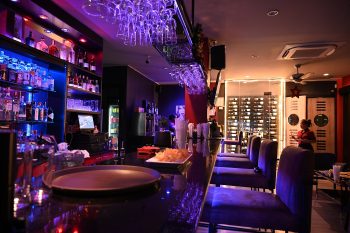
Featured photo: Inside Liberty for Beers by Brian Cribb, BY 2.0.