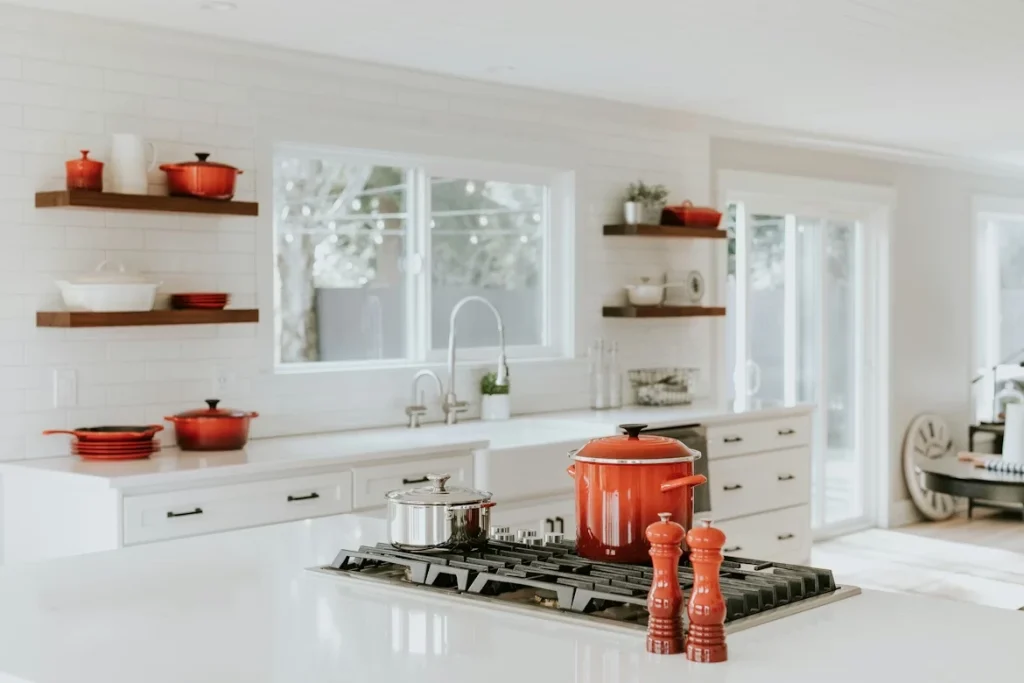
At a glance, commercial kitchens and residential kitchens look like they exist in completely different worlds. One is built for speed, volume, and compliance; the other is designed for comfort, aesthetics, and everyday living. But that gap has been closing fast. More homeowners are borrowing ideas from professional environments, searching for ways to make their kitchens work harder without sacrificing style.
This shift has been especially noticeable in renovation markets, where interest in commercial kitchen design Sydney trends has started to influence residential layouts. People aren’t just asking what looks good anymore—they’re asking what works better. And that’s where the comparison becomes genuinely useful.
So, what actually matters when you bring commercial kitchen thinking into a home?
The Core Difference: Purpose Drives Everything
Commercial kitchens are built around one goal: output. Every decision—from layout to materials—is designed to support speed, efficiency, and consistency under pressure.
Residential kitchens, on the other hand, are multi-purpose spaces. They’re for cooking, but also for socialising, relaxing, entertaining, and sometimes even working. That means decisions are more emotionally driven—appearance, feel, and integration with the rest of the home matter just as much as function.
The mistake people often make is trying to replicate a commercial kitchen at home without adjusting for lifestyle. What actually works is selectively borrowing the right principles.
Layout: Efficiency vs Flexibility
In a commercial kitchen, layout is everything. Zones are clearly defined—prep, cooking, plating, cleaning—and movement between them is streamlined to avoid bottlenecks.
At home, the traditional “kitchen triangle” (sink, stove, fridge) tries to achieve something similar, but it’s often compromised by space constraints or design trends.
What matters at home:
- Clear workflow between prep, cook, and clean zones
- Enough bench space to avoid clutter during cooking
- Logical placement of appliances based on frequency of use
You don’t need a rigid station-based setup, but you do benefit from thinking like a chef when planning movement. Even small adjustments—like relocating a bin closer to prep areas—can dramatically improve usability.
Materials: Durability vs Aesthetics
Walk into any commercial kitchen and you’ll see stainless steel everywhere. It’s durable, hygienic, easy to clean, and resistant to heat and corrosion.
In homes, materials tend to prioritise appearance—stone benchtops, timber finishes, feature cabinetry. While these look great, they don’t always hold up under heavy use.
What matters at home:
- Surfaces that can handle heat, spills, and constant cleaning
- Materials that age well rather than just look good initially
- Easy-to-clean finishes, especially around cooking areas
You don’t need an all-steel kitchen, but incorporating commercial-grade durability in high-use zones (like around the cooktop) is a smart move.
Storage: Accessibility vs Concealment
Commercial kitchens are brutally practical. Everything is visible, accessible, and positioned for speed. Open shelving, labelled containers, and minimal clutter are the norm.
Residential kitchens tend to hide everything behind cabinetry for a cleaner aesthetic.
What matters at home:
- Easy access to frequently used items
- Smart internal storage (pull-outs, dividers, vertical storage)
- Reducing friction in everyday tasks
A fully open commercial-style setup might feel too industrial, but blending visibility with organisation—like open spice racks or accessible utensil zones—can make cooking far more efficient.
Equipment: Power vs Practicality
Commercial kitchens rely on heavy-duty equipment designed for constant use—high-BTU burners, large ovens, industrial fridges.
At home, this level of power is often unnecessary—and sometimes impractical due to space, ventilation, and regulations.
What matters at home:
- Choosing appliances that match how you actually cook
- Prioritising reliability and ease of use over raw power
- Investing in a few high-quality pieces rather than overloading the space
A professional-grade oven might make sense if you cook frequently—it is worth comparing what a Commercial Oven actually costs to buy and run before committing—but a full commercial setup rarely translates well into a residential environment.
Ventilation: The Overlooked Game-Changer
This is one area where commercial kitchens absolutely outperform residential ones—and where homeowners often regret cutting corners.
Commercial spaces are built to handle heat, smoke, grease, and odours at scale. Ventilation systems are powerful, effective, and non-negotiable.
In homes, ventilation is often treated as an afterthought.
What matters at home:
- Proper extraction systems, especially for high-heat cooking
- Reducing lingering smells and airborne grease
- Improving overall air quality
Upgrading ventilation is one of the most impactful ways to bring a “commercial feel” into a home kitchen without changing the entire design.
Cleanliness and Maintenance: Systems vs Habits
Commercial kitchens operate under strict hygiene standards. Cleaning isn’t optional—it’s built into the workflow.
At home, cleanliness is more relaxed and often inconsistent.
What matters at home:
- Designing spaces that are easy to clean
- Minimising hard-to-reach areas where grime builds up
- Creating simple routines that keep the kitchen functional
This is less about design and more about behaviour, but good design makes good habits easier.
Space: Maximising vs Balancing
Commercial kitchens are designed to maximise usable space. Every inch has a purpose.
Residential kitchens need to balance function with comfort. Over-optimising for efficiency can make a space feel cold or overly utilitarian.
What matters at home:
- Keeping enough open space for movement and social interaction
- Avoiding overcrowding with unnecessary equipment
- Designing for how the space is actually used, not just how it looks on paper
The goal isn’t to replicate a restaurant—it’s to create a kitchen that supports real life.
So, What Should You Actually Take from Commercial Design?
If you strip everything back, the most valuable takeaways from commercial kitchens are surprisingly simple:
- Workflow matters more than layout trends
- Durability beats short-term aesthetics in high-use areas
- Accessibility improves everyday efficiency
- Ventilation is worth investing in
- Simplicity reduces friction in cooking and cleaning
Everything else is optional.
Finding the Balance
The best residential kitchens today sit somewhere in the middle. They borrow the logic and discipline of commercial spaces but adapt it to a more relaxed, human environment.
That might look like:
- A sleek stone island paired with a stainless steel prep zone
- Hidden storage with highly organised interiors
- A powerful range hood integrated into a minimalist design
- Appliances chosen for performance, not just brand or appearance
It’s not about copying a commercial kitchen—it’s about understanding why they work so well and applying those lessons selectively.
Final Thought
There’s a reason commercial kitchens are so efficient: they’re built with intention. Every element serves a purpose.
Bringing that mindset into a residential kitchen doesn’t mean sacrificing comfort or style. It simply means designing with a bit more clarity—thinking about how you move, cook, clean, and live in the space.
Get that right, and your kitchen doesn’t just look good. It actually works.