The Science of Freezing: Understanding Optimal Freezer Temperatures
Why Temperature Matters: The Impact on Food Preservation
Temperature plays a crucial role in food preservation, primarily because it affects the growth rate of microorganisms that can spoil food or cause foodborne illnesses. Freezing food at the right temperature is essential for extending its shelf life without compromising its safety or nutritional value. Food safety organizations, including the USDA and FDA, emphasize that maintaining a consistent temperature of 0°F (-18°C) or lower is vital. At this temperature, microbial activity is not just slowed, but virtually halted, thus ensuring that the food remains safe and edible for extended periods. As temperatures fluctuate, there’s a risk of partial thawing, which can lead to the growth of pathogens and spoilage. Understanding the science behind freezing can aid food handlers whether at home or in a commercial setting in effectively managing food safety risks.
Decoding the Ideal Temperature Range for Different Foods
Understanding the specific temperature requirements for various types of food can further heighten the efficiency of a freezing operation. While the common benchmark of 0°F is widely recognized, certain foods may benefit from tailored temperature management. For instance, meat and poultry should ideally be frozen at this standard temperature, while seafood is best kept at temperatures slightly lower to preserve quality and texture. Produce, on the other hand, often tolerates slight fluctuations but still thrives when kept at optimal temperatures. Different types of food are more susceptible to spoilage if left in the ‘danger zone’ between 40°F and 140°F (4°C and 60°C) for too long, highlighting the need for attentive monitoring and effective temperature control.
Common Myths About Freezer Temperatures Debunked
Various misconceptions surrounding freezer temperatures can lead to ineffective practices and increased food safety risks. One prevalent myth is that freezing food kills bacteria; while it does indeed stop their growth, many pathogens can survive in a dormant state and reactivate once the food is thawed. Another common belief is that temperature only matters during the freezing process; however, food continues to be vulnerable to spoilage if temperature fluctuations occur during storage. Additionally, people often think that it’s unnecessary to monitor food stored in a full freezer because it keeps cold better. This is only true to a degree; if the freezer is overstuffed, air cannot circulate efficiently, leading to potential hot spots and inconsistent temperatures that may endanger food quality and safety. Addressing these myths is critical for optimal food safety practices, particularly in both personal and commercial kitchen environments.
Choosing the Right Freezer Temperature Monitoring System
Analog vs. Digital: Which Meter Suits Your Needs Best?
When selecting a freezer temperature monitoring system, one essential consideration is whether to opt for an analog or digital solution. Analog thermometers are traditional devices that use mercury or alcohol to measure temperature, and while they are often more affordable, they can be less accurate over time and vulnerable to breakage. Conversely, digital thermometers provide precise readings, often featuring a digital display that allows for easy reading. Many digital versions now come with advanced functionalities, such as data logging capabilities and programmable alarms, which are fundamental for environments like food service establishments where temperature consistency is critical. Ultimately, the choice between analog and digital depends on personal preferences, budget constraints, and specific needs, with digital options generally proving more useful for continuous monitoring.
Features to Look For: Making Sense of Specifications
When evaluating freezer temperature monitoring systems, it is important to identify essential features that will meet specific requirements effectively. Look for devices that include real-time monitoring capabilities, which can provide immediate alerts in the event of temperature fluctuations. Systems with remote monitoring functions can be particularly beneficial for commercial food operations, allowing managers to monitor temperature settings from their smartphones or computers, ensuring that corrective actions can be taken quickly if needed. Additional features like a data logger that records temperature fluctuations over time can aid in compliance audits and enhance understanding of the freezer’s performance. Ultimately, selecting a monitoring system with the right specifications will enhance confidence in food safety practices while providing essential data for informed decision-making.
How Smart Technology is Revolutionizing Freezer Monitoring
The advent of smart technology has vastly transformed the landscape of freezer monitoring and food safety. Smart thermostats and IoT-enabled devices can automatically send notifications to your mobile device or computer, alerting users to temperature changes in real time. Many modern systems also integrate with larger kitchen management software that can manage inventory levels, track expiration dates, and optimize energy usage. These features not only streamline operations and enhance food safety but also provide significant economic benefits by minimizing food wastage. Additionally, with cloud-based data storage, users gain access to historical data and trends, which can be utilized to refine food storage strategies and adjust practices based on temperature patterns. As smart technology continues to expand its reach, it stands to fundamentally redefine food safety and operational efficiency across various sectors.
Implementing Monitoring Strategies for Maximum Efficiency
Setting Up Alerts: Avoiding the Risk of Temperature Fluctuations
Setting up alerts within your freezer monitoring system is critical to maintaining optimal temperatures that ensure food safety. Most modern temperature monitoring devices come equipped with alert systems both audible and visual that trigger if temperatures rise or fall outside the preset range. By configuring alerts based on anticipated temperature thresholds, food handlers can swiftly address any issues that arise, greatly reducing the risk of spoilage and potential health hazards. For commercial kitchens, establishing standard operating procedures (SOPs) around responding to alerts such as promptly checking food storage and assessing any items that may be compromised ensures a robust approach that mitigates risks effectively. This strategic approach to implementing alerts forms a critical component of an overarching food safety management system.
Data Tracking: How to Analyze Freezer Performance
To truly optimize food safety practices through freezer monitoring, it is essential to engage in thorough data tracking and performance analysis. Digital monitoring systems often collect real-time and historical data that can illuminate patterns of temperature variance, such as frequent spikes during peak usage hours or fluctuations associated with door openings. By analyzing this data, food safety managers can identify underlying issues that may compromise food safety such as inadequate insulation in the freezer, or excessive loading that obstructs air circulation. Regularly reviewing this data not only aids in maintaining operational efficiency but also serves a proactive approach to compliance with regulatory standards. The insights gathered from data tracking can also inform future investments in equipment and technology, ensuring that food safety practices continue to keep pace with evolving standards.
Best Practices for Regular System Maintenance
Regular maintenance of monitoring systems is a cornerstone of effective freezer management. Establishing a routine inspection schedule can help identify potential problems early on. This includes cleaning the thermometer’s sensors and manually calibrating sensors if readings appear erratic. Additionally, checking the freezer’s seals for damages and ensuring proper airflow can have significant impacts on its efficiency. Staff training is another vital aspect of maintaining monitoring systems; all employees must understand how to use the equipment and recognize the importance of vigilant temperature management. By creating a culture of food safety and emphasizing the need for continuous improvement, organizations can bolster their temperature monitoring efforts significantly. Regular system maintenance paired with comprehensive staff training lays the foundation for best practices that keep food safety at the forefront of operations.
Real-Life Examples: Success Stories of Effective Temperature Monitoring
Case Studies: Businesses That Got It Right
Numerous case studies exemplify the successes of organizations that implemented effective freezer temperature monitoring systems. One prominent case is of a national grocery chain that faced several instances of food spoilage due to temperature variances in their freezers, leading to significant financial losses and reputational damage. Upon adopting a comprehensive digital monitoring system integrated with real-time alerts for temperature deviations, the company witnessed a dramatic decline in spoilage rates, saving substantial costs and enhancing customer trust. Another example includes a respected restaurant chain that optimized their inventory management and successfully reduced waste by 30% after investing in advanced tracking technologies, thereby ensuring consistent temperature control across all locations. These cases highlight that with the right monitoring practices, businesses can achieve enhanced food safety and operational efficiency.
The Cost of Neglect: Learning from Food Safety Failures
The cost of neglecting proper freezer temperature management can be catastrophic. Incidents of foodborne illness outbreaks due to improper freezing practices can result in legal repercussions, financial losses, and irreparable damage to a brand’s reputation. A notable example can be seen in the 2018 salmonella outbreak associated with frozen vegetables, leading to widespread recalls and litigation. Such failures not only impact the financial stability of businesses but can also have serious health implications for customers. These outcomes serve as stark reminders of the critical importance of diligent monitoring and the potential risks of complacency in food safety protocols. Understanding the direct correlation between monitoring failures and food safety crises can motivate businesses and individuals to adopt more robust practices and technologies in their operations.
How Monitoring Systems Saved Lives and Resources
Beyond financial implications, effective freezer temperature monitoring systems can save lives. For instance, during the COVID-19 pandemic, vaccine distribution required stringent temperature control to ensure the integrity of vaccine efficacy. Hospitals and pharmacies that employed sophisticated monitoring systems succeeded in maintaining the necessary cold chain, which was critical in widespread vaccination efforts. Furthermore, community organizations that provided food assistance to vulnerable populations adopted real-time monitoring systems for their freezers to uphold the safety of food supplies. These practices not only safeguarded public health but also fostered trust in a time of uncertainty. The ripple effect of implementing effective monitoring strategies underscores the importance of precision in food safety practices; it goes beyond resource management and extends to improving public health outcomes.
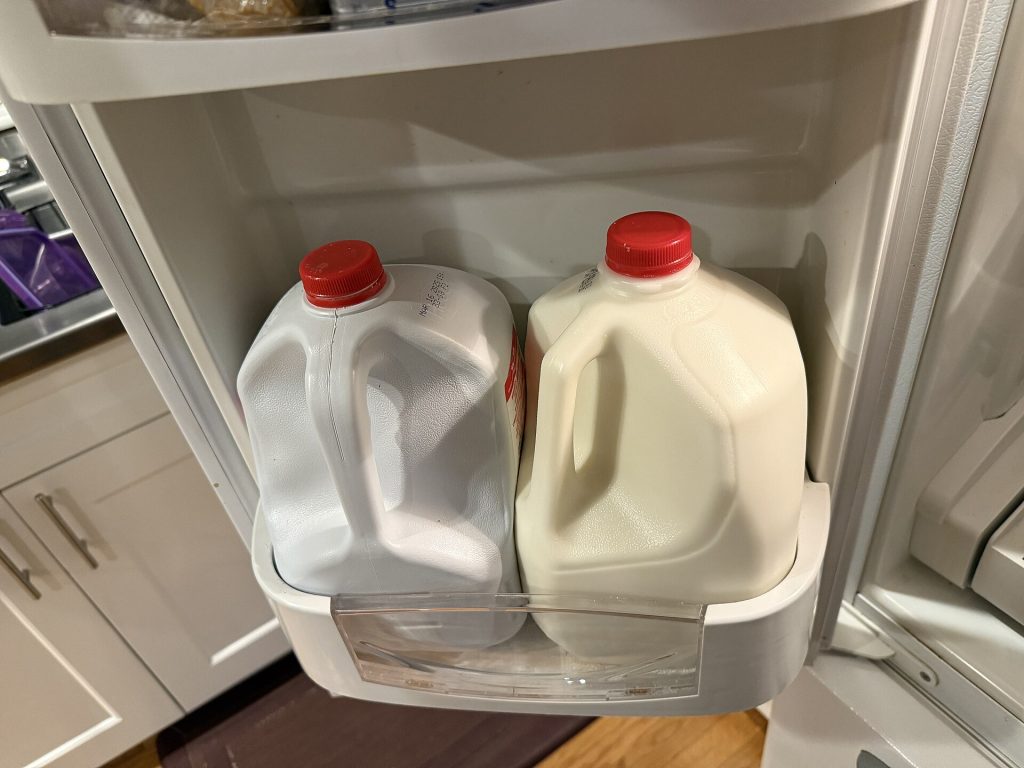
Featured photo: Two milk gallons in refrigerator door.agr by ArnoldReinhold, BY 4.0.