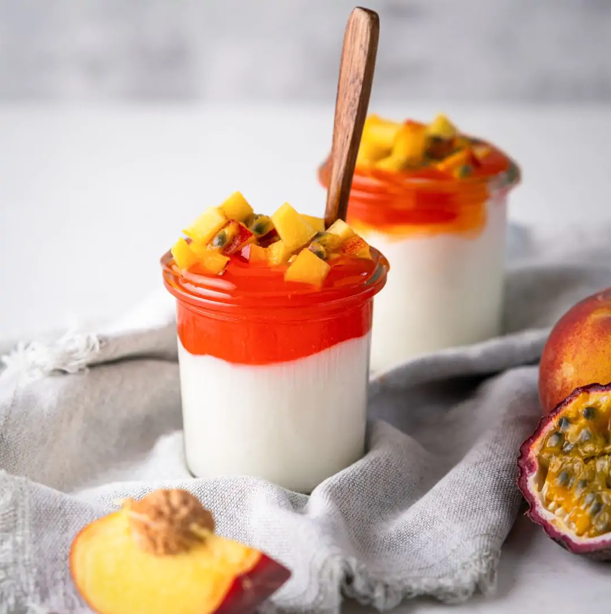
When we think about orange, what is the first thing that comes to mind? Colors shape the way we experience food long before we take. Among them, orange stands out for its warmth, vibrancy, and association with freshness. The demand for natural orange food color has grown rapidly as consumers and manufacturers move away from hard to read labels by ditching synthetic alternatives. This article explores the psychology of orange, its link to flavors, the rise of natural coloring, and how it’s reshaping the food industry.
The psychology of orange
Orange is often associated with energy, positivity, juiciness and freshness. Psychologists note that warm tones such as orange evoke comfort and enthusiasm, making them a powerful tool in food. In fact, studies suggest that consumers perceive orange-colored foods as sweeter and more refreshing, which enhances their eating experience.
In branding and packaging, orange signals creativity and accessibility. It captures attention on shelves while suggesting natural ripeness in products such as juices, sauces, and snacks. Understanding these associations helps explain why food manufacturers carefully choose orange shades to add to their products to influence consumer behavior.
Orange color and flavor associations
When we think of orange in food, we often immediately connect it to citrus fruits, tropical flavors, and autumn harvests like pumpkins. Bright orange tones are typically linked with freshness, sweetness, and tanginess, while deeper orange colors suggest richness and spice.
Carrots, pumpkins, oranges, and mangoes naturally carry the color and are celebrated for their nutrient density. Consumers often expect orange foods to be packed with vitamin C or beta-carotene, reinforcing the perception of health and vitality. Therefore, orange is not only a color but also a flavor expectation: citrus, sweet, slightly acidic, and refreshing.
Artificial orange food dyes
For decades, food manufacturers relied on synthetic colors to achieve consistent orange colors in processed foods. Synthetic options such as Sunset Yellow FCF and Allura Red AC were widely used in beverages, candies, and baked goods. These colorants provide stability, consistency, and are a very cost-effective solution.
However, concerns about the health impact of artificial food coloring have steadily grown over the past few years and gained quite some media attention. Studies linking synthetic dyes to hyperactivity in children and negative consumer perceptions of “unnatural” ingredients have created a significant shift. Today’s shoppers take the time to read and understand labels, and many actively avoid artificial additives or things they cannot understand. This consumer-driven demand has pushed the food industry toward cleaner, safer solutions that are easy to understand and read for consumers.
Where is natural orange food color coming from?
Natural orange food color is derived from fruits, vegetables, and plants, offering a safe and appealing alternative to synthetic dyes. Popular sources for orange colors include carrots, pumpkins, paprika, and annatto seeds. These ingredients are processed using physical or water-based methods to preserve their natural pigments.
Due to the use of natural ingredients, natural food colors can be harder to work with. Since they are derrived from natural sources, which all have different characteristics, it can be sensitive to heat, light or different PH-levels. Specialized producers have refined techniques to ensure consistency and stability in natural colors. Modern solutions allow food and beverage companies to maintain vibrant shades without compromising on quality or shelf life. Manufacturers highlight how natural coloring can match the demands of both functionality and consumer trust.
The transition from synthetic to natural
The global food industry is undergoing a significant transformation. Clean-label expectations, regulatory pressures, and increased health awareness are driving companies to reformulate. Natural orange food color stands at the front of this shift, offering not only visual appeal but also alignment with wellness-focused lifestyles.
While challenges such as stability and cost remain, innovation continues to close the gap between artificial and natural options. Food scientists are developing advanced methods to improve color performance, ensuring that natural solutions meet modern production demands. As a result, natural orange coloring is no longer a niche alternative, but a choice embraced by global brands.