The short answer from any honest home espresso machine buying guide: decide how much of the process you want to control, budget for a good burr grinder alongside the machine, and ignore big pressure numbers on the box. Then choose a heating system that matches how many milk drinks you make.
Everything else, from the finish to the number of buttons, matters less than those four decisions. This guide walks through each one, then sets out what to expect at entry, mid-range and enthusiast budgets, without pointing you to any shop.
Key takeaways
- Machine type sets your routine: manual and semi-automatic reward practice, super-automatic and pod machines trade control for convenience.
- A dual boiler or heat exchanger matters if you make several milk drinks back to back.
- The traditional espresso standard is around 9 bar. Higher pump ratings on the box are not a quality signal.
- A capable burr grinder does as much for the cup as the machine itself.
- Descale on the schedule your manual sets, sooner if your water is hard.
The four types of machine
The National Coffee Association describes espresso as high pressure forcing nearly boiling water through finely ground coffee in about 20 to 30 seconds. Every machine does that job. What changes is how much of it is left to you.
| Type | What you control | Suits | Trade-off |
|---|---|---|---|
| Manual (lever) | Pressure and brew time by hand | Hobbyists who enjoy technique | Steep learning curve, slower workflow |
| Semi-automatic | Grind, dose, tamp and when to stop the shot | Most home enthusiasts | Needs a separate grinder and some practice |
| Super-automatic | Little: it grinds, doses, tamps and brews | Busy households wanting one-touch drinks | Less control over taste, more internal parts to clean |
| Pod or capsule | Almost nothing beyond cup size | Speed and zero mess | Limited coffee choice, ongoing capsule cost |
If you want to learn espresso as a craft, a semi-automatic is the usual starting point. If you want a flat white before the school run with no fuss, a super-automatic is honest about its purpose. Pods are convenient, but they sit closer to a coffee appliance than to espresso as cafés make it.
Boilers, heating and milk steaming
Espresso needs water at one temperature, while steaming milk needs steam at a much higher one. How a machine handles those two jobs is the biggest hidden difference between models.
Thermoblock or thermocoil
Water is heated on demand as it passes through a heated block. These machines warm up quickly and suit people who make one or two drinks. Most need a short pause to switch between brewing and steaming.
Single boiler
One boiler does both jobs, so you brew, then wait for it to heat up for steam. Fine for straight espresso drinkers and occasional lattes.
Heat exchanger
A single steam boiler with a tube that heats brewing water as it passes through. You can brew and steam at the same time, which helps if you make several milk drinks in a row.
Dual boiler
Separate boilers for brewing and steam, each held at its own temperature. The most consistent option, though usually larger and slower to warm up.
Steaming
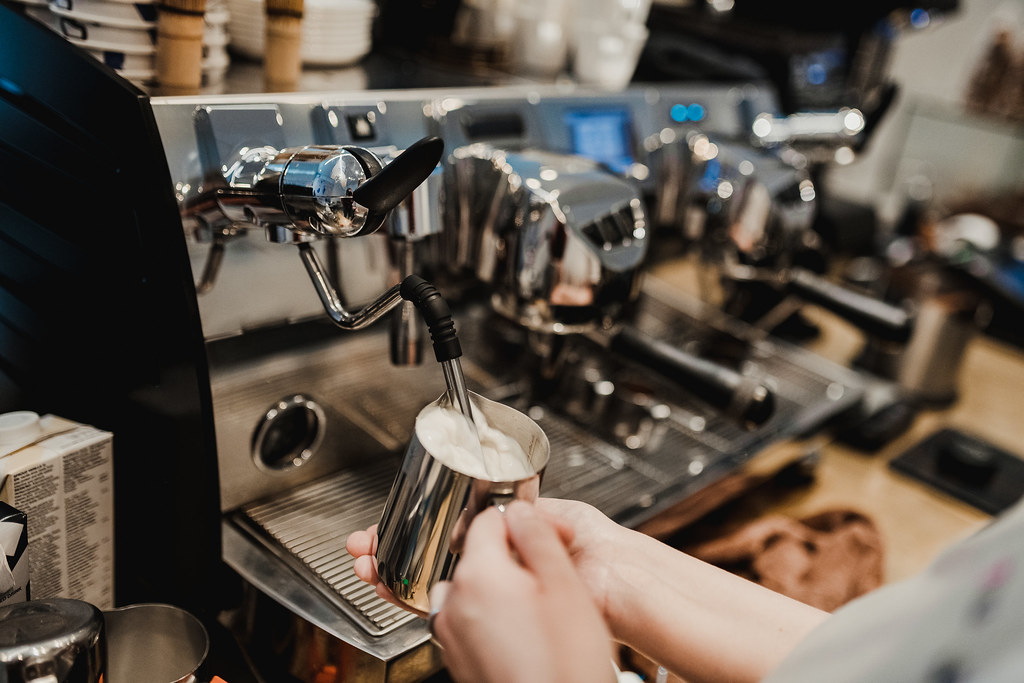
A proper steam wand gives you control over milk texture for lattes and cappuccinos, with practice. Automatic milk systems and frothers are easier, but they have more parts that milk touches, and all of them must be cleaned after each use.
Buy the heating system for the drinks you make on a busy Saturday morning, not the one you make alone on a Tuesday.
Why 9 bar matters more than 15 or 20
Boxes often advertise 15 or 20 bar pumps as if more is better. It isn’t. The heritage SCAA definition of espresso, reprinted in the Specialty Coffee Association’s 25 Magazine, specifies 9 to 10 atmospheres of pressure, water at 195°F to 205°F, and a grind that gives a brew time of 20 to 30 seconds.
When the SCA surveyed professionals for that article, the average pressure used to extract espresso was 8.5 bar, with the most common answer at 9 bar. A pump rated higher simply has headroom. What matters is whether the machine delivers stable pressure and temperature at the group head during the shot.
- Look for: a pressure gauge, a PID or other precise temperature control, and a solid, heavy portafilter.
- Don’t pay extra for: headline bar ratings or a long list of preset drinks you won’t use.
The grinder is half the setup
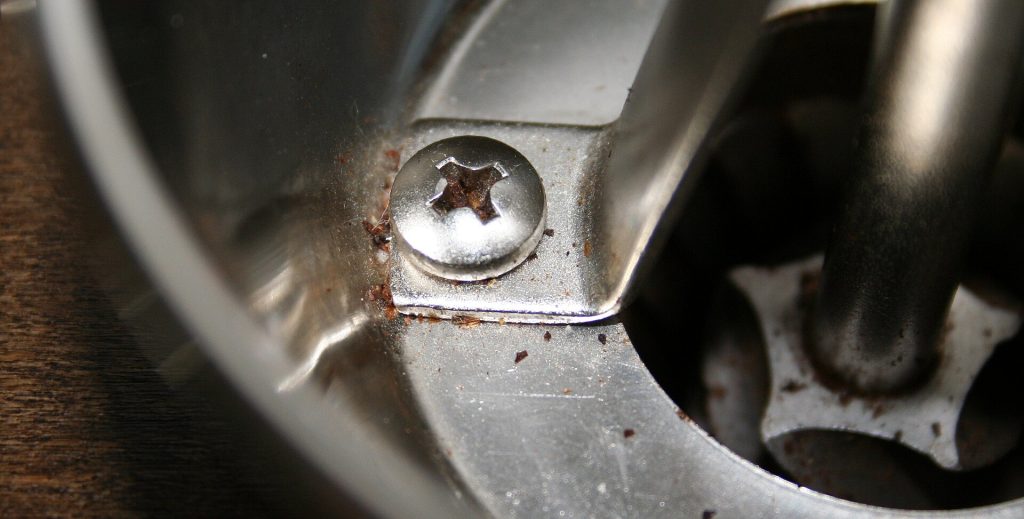
Espresso is unforgiving about grind. The NCA says it needs a fine grind, like table salt, and recommends burr grinders over blade grinders because they produce a more consistent grind, especially at the small sizes espresso requires.
A capable espresso grinder lets you make small adjustments, since a tiny change in grind size noticeably speeds up or slows down the shot. Pre-ground coffee goes stale quickly and can’t be adjusted, so it caps what even an excellent machine can do.
What to look for in a grinder
- Burrs rather than blades.
- Fine, stepless or small-step adjustment in the espresso range.
- Low retention, so little old coffee sits in the chute.
- A size that fits under your cupboards alongside the machine.
If a super-automatic has a built-in grinder, check how finely it adjusts. Built-in grinders are convenient, but you can’t upgrade them later.
Descaling and daily maintenance
Scale is the slow killer of espresso machines. The US Geological Survey explains that hard water carries dissolved calcium and magnesium, and that heating it leaves calcium carbonate deposits that cut appliance efficiency and lifespan. USGS classes water above 120 mg/L as calcium carbonate as hard, and above 180 mg/L as very hard.
- Descale using the method and product your machine’s manual specifies, and do it sooner if your area has hard water.
- Consider filtered or softened water if the manufacturer approves it.
- Backflush and clean the group head and portafilter as the manual directs.
- Purge and wipe the steam wand after every milk drink.
FAQ
Is a 15-bar or 20-bar machine better than 9 bar?
No. The traditional espresso definition is 9 to 10 atmospheres. A higher rating means pump headroom, not better espresso.
Do I really need a separate grinder?
For a semi-automatic or manual machine, yes. A consistent burr grinder that adjusts finely is essential for espresso.
Which is easier, super-automatic or semi-automatic?
Super-automatics are easier day to day because they grind, tamp and brew for you. Semi-automatics take practice but give you more control over flavour.
How often should I descale?
Follow your manual’s schedule, and descale more often if you live in a hard-water area.
Budget tiers and your shortlist
Prices change constantly, so think in tiers rather than numbers. In every tier, keep part of the budget for the grinder.
- Entry level: Thermoblock or single-boiler semi-automatics, pods and basic super-automatics. Expect a pressurised portafilter option, a simple steam wand and a plastic-heavy build. Pair a semi-automatic with a proper burr grinder rather than a costlier machine.
- Mid-range: Better single boilers and heat exchangers, super-automatics with milk systems. Look for precise temperature control, a commercial-size portafilter and a stronger steam wand.
- Enthusiast: Dual boilers, rotary pumps, flow or pressure profiling, and manual levers. These reward practice, and pair best with a dedicated espresso grinder.
More coffee reading lives in our lifestyle guides, including home coffee tips.
To turn those tiers into a shortlist, write down the drinks you make most, how many at once, and how much time you’ll give each morning. That points you to a machine type and a heating system. Then set aside part of the budget for a burr grinder before comparing models. Still want to taste what a great shot is like before buying? Our restaurant directory and café guides will point you to somewhere worth ordering one.
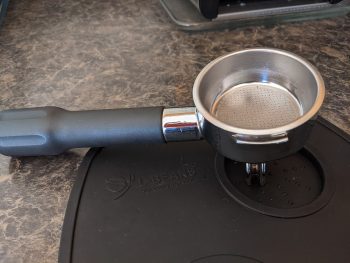
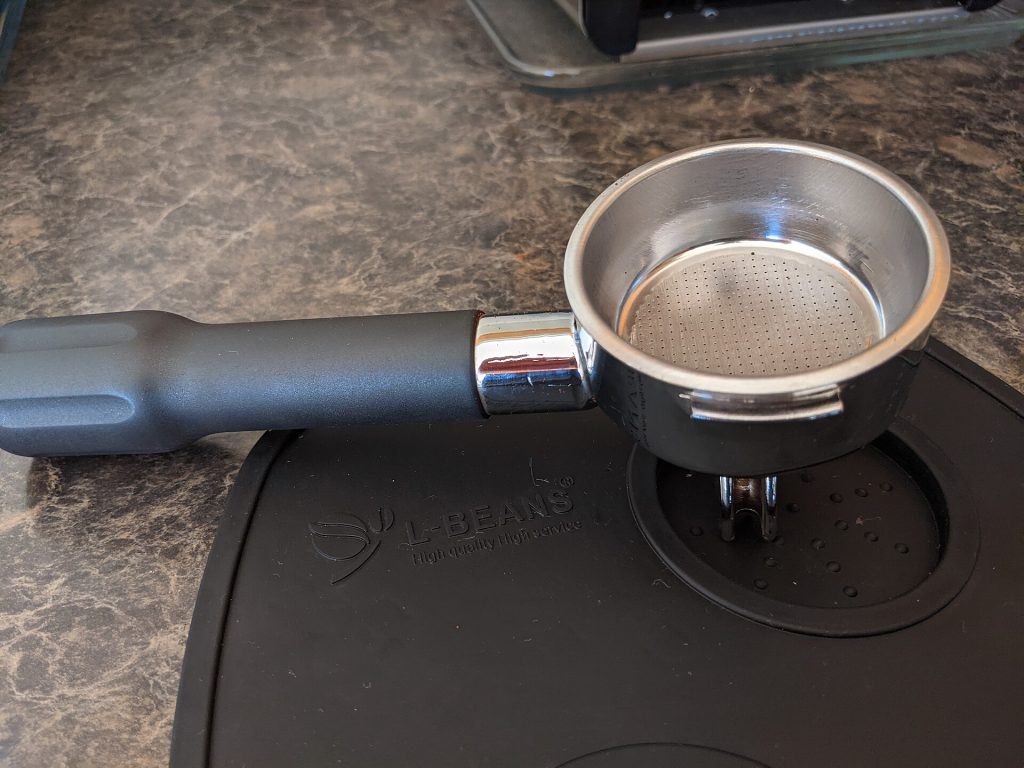
Featured photo: Portafilter on a tamping mat by massage-techniques, BY-SA 2.0.