Running a successful restaurant involves more than just crafting a tempting menu. Behind the scenes, the consistency and quality of ingredients play a critical role in keeping operations efficient and diners satisfied. Among these ingredients, baked goods, bread, pastries, and desserts, are central to many dining experiences. Large-scale baking operations provide the backbone that allows restaurants to serve high-quality products day after day.
Consistency at Scale
One of the biggest challenges for restaurants is maintaining consistency across all dishes. Diners expect the same flavor, texture, and appearance every time they visit. Big baking operations help restaurants meet these expectations by producing baked goods in bulk with standardized recipes. These facilities are equipped with industrial ovens, mixers, and automated processes that ensure every loaf of bread or batch of pastries comes out perfectly. For restaurants, this consistency reduces waste and guarantees that customers receive a reliable experience.
Reducing Operational Pressure
Smaller kitchens often struggle with time constraints, especially during peak hours. By sourcing bread, buns, or specialty pastries from large baking operations, restaurants can focus on cooking, plating, and serving meals rather than baking from scratch. This reduces operational stress and allows kitchen staff to prioritize other essential tasks. Outsourcing baked goods to a trusted supplier like a Bakery Manufacturer ensures that the kitchen always has fresh, ready-to-serve items without overburdening the team.
Variety and Innovation
Large baking operations can offer a wide range of products that restaurants might not have the capacity to produce themselves. From artisan breads to delicate croissants, these suppliers often experiment with new recipes and flavor combinations. Restaurants can benefit from this variety, introducing new items to their menu with minimal risk. Access to innovative baked goods keeps menus exciting and encourages repeat visits from customers who are eager to try the latest offerings.
Quality Control and Safety
Food safety and quality control are paramount in the restaurant industry. Big baking operations have the infrastructure to rigorously test ingredients and finished products for consistency, freshness, and hygiene standards. This reduces the risk of contamination and ensures that restaurants can confidently serve items to their patrons. By partnering with reputable suppliers, restaurants gain peace of mind, knowing their baked goods meet strict safety and quality requirements.
Streamlined Supply Chains
Efficient supply chains are essential for restaurants, particularly those with multiple locations or high customer volume. Large baking operations are designed to handle bulk orders and deliver products on a reliable schedule. This ensures that restaurants never run out of essential items like sandwich bread, dinner rolls, or dessert bases. Consistent delivery helps restaurants plan their menu offerings more effectively and avoid last-minute substitutions that could disappoint customers.
Supporting Seasonal and High-Demand Periods
Restaurants often experience spikes in demand during holidays, special events, or promotional campaigns. Big baking operations are capable of scaling production to meet these seasonal surges. This flexibility allows restaurants to serve large numbers of customers without compromising quality or availability. Having a dependable baking partner ensures that the kitchen can focus on customer service while the supplier manages production logistics.
Conclusion
The success of a restaurant depends on much more than the skill of its chefs. Reliable baked goods are a critical component that supports smooth operations, consistent quality, and menu innovation. By partnering with large-scale baking operations, restaurants can streamline their processes, maintain high standards, and delight customers with fresh, delicious items every day.
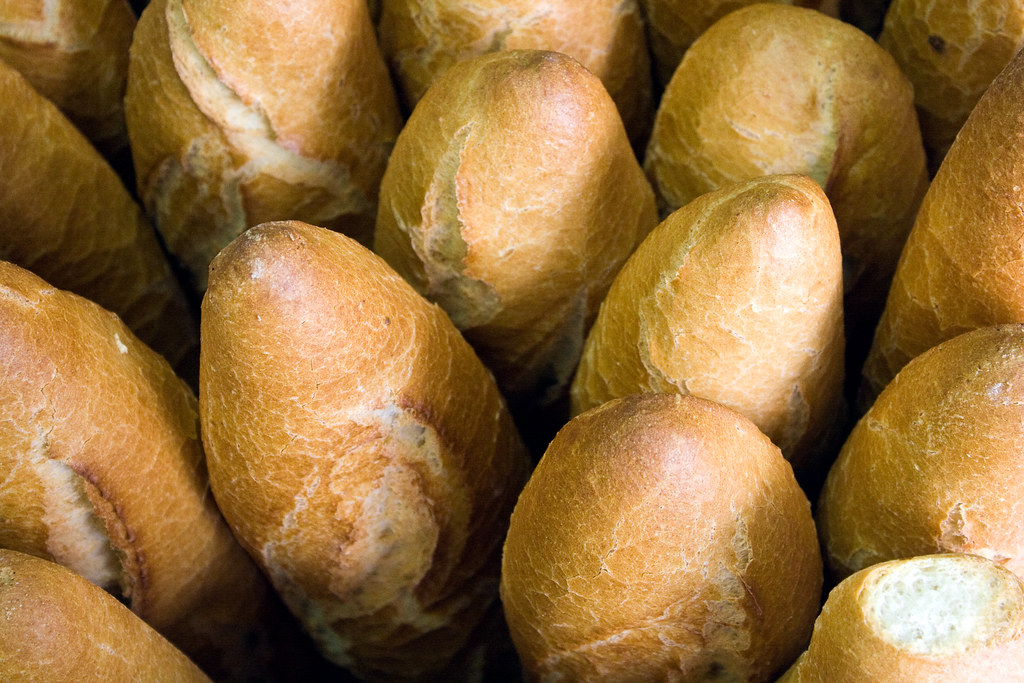
Featured photo: Real food – fresh bread by Unhindered by Talent, BY-SA 2.0.