How to order whisky without guessing: name a style (Scotch, bourbon, rye, Irish or Japanese), say how you want it served (neat, with a splash of water, or on the rocks), and give the bartender a price range or a flavour you like. “A smoky Scotch, neat, mid-priced” gets you a good pour at almost any bar.
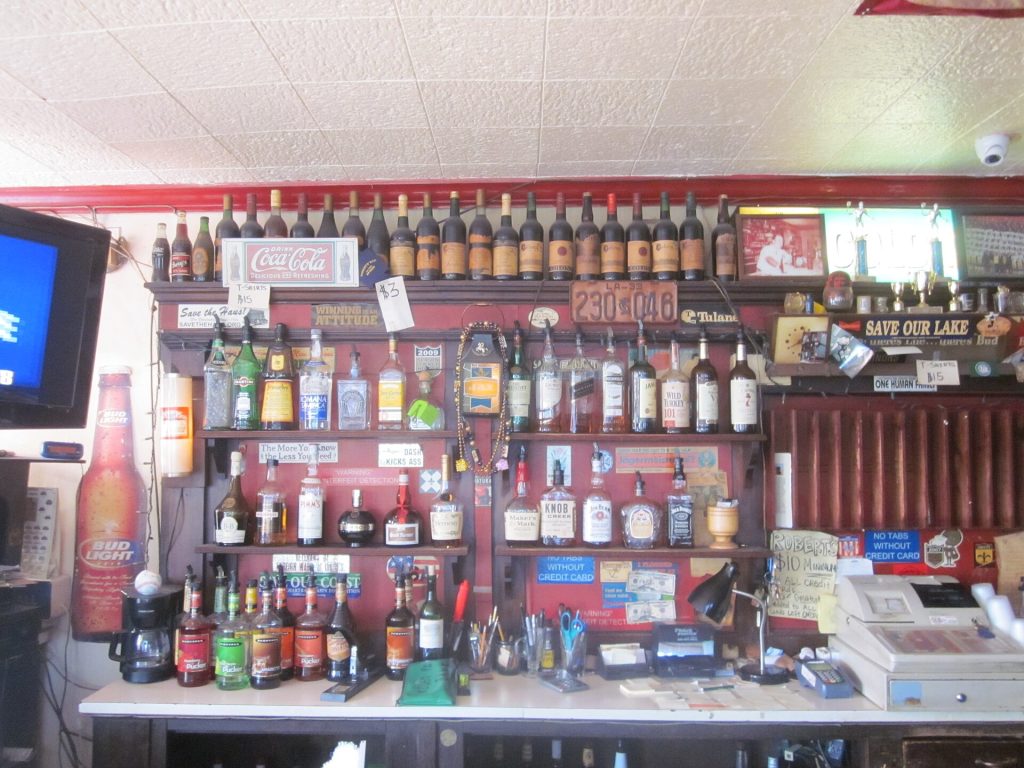
The wall of bottles behind the bar looks intimidating, but it is organised by the same handful of categories every time. Learn those, and a few words of ordering vocabulary, and the menu stops being a gamble.
The five steps below take you from the categories to the order itself, including flights and how to think about price.
Key takeaways
- Most bars organise whisky into five main styles: Scotch, bourbon, rye, Irish and Japanese.
- Each has legal rules: bourbon needs at least 51% corn and new charred oak; Scotch needs three years in Scotland.
- Order neat to taste the whisky as bottled, add a few drops of water to open it up, or go on the rocks for a cooler, softer sip.
- Give the bartender a style, a serve and a budget, and let them pick the bottle.
- Flights of three small pours are the cheapest way to learn what you like.
Step 1: Know the five main styles
You don’t need to memorise distilleries. You need to know what each style is, because the rules behind each one shape how it tastes.
| Style | Key rule | What to expect |
|---|---|---|
| Scotch | Distilled and matured in Scotland for at least three years; at least 40% ABV | From light and fruity to rich, sherried or smoky |
| Bourbon | At least 51% corn; aged in new charred oak barrels | Sweeter, with vanilla and caramel notes |
| Rye | At least 51% rye; aged in new charred oak barrels | Spicier and drier than bourbon |
| Irish | Matured at least three years in wooden casks on the island of Ireland | Often smooth and approachable |
| Japanese | Industry standard: distilled, matured at least three years, and bottled in Japan | Often precise and balanced |
Scotch
The Scotch Whisky Association lists five legal categories. Single malt is made at one distillery from malted barley in copper pot stills. Single grain is made at one distillery and can include other cereals. Blended Scotch mixes malt and grain whiskies, while blended malt and blended grain combine whiskies from more than one distillery. All Scotch must be made from cereals, water and yeast, matured in Scotland for at least three years, and bottled at 40% ABV or more.
Bourbon and rye
US federal standards of identity, set out in the TTB’s regulations, require bourbon to come from a mash of at least 51% corn and rye whisky from at least 51% rye. Both must be distilled at 160 proof or less, go into charred new oak barrels at 125 proof or less, and be bottled at no less than 80 proof. “Straight” on the label means at least two years in those barrels with no added colouring or flavouring.
Irish and Japanese
Irish whiskey’s official technical file requires at least three years in wooden casks on the island of Ireland, and recognises pot still, malt, grain and blended styles. Pot still Irish whiskey must use at least 30% malted and 30% unmalted barley, distilled in pot stills. Japanese whisky has an industry labelling standard, adopted by the Japan Spirits & Liqueurs Makers Association in 2021, requiring distillation, at least three years of maturation, and bottling in Japan.
Step 2: Decide how you want it served
Once you have a style, the serve is the second half of your order. There are three main options, plus a couple of variations.
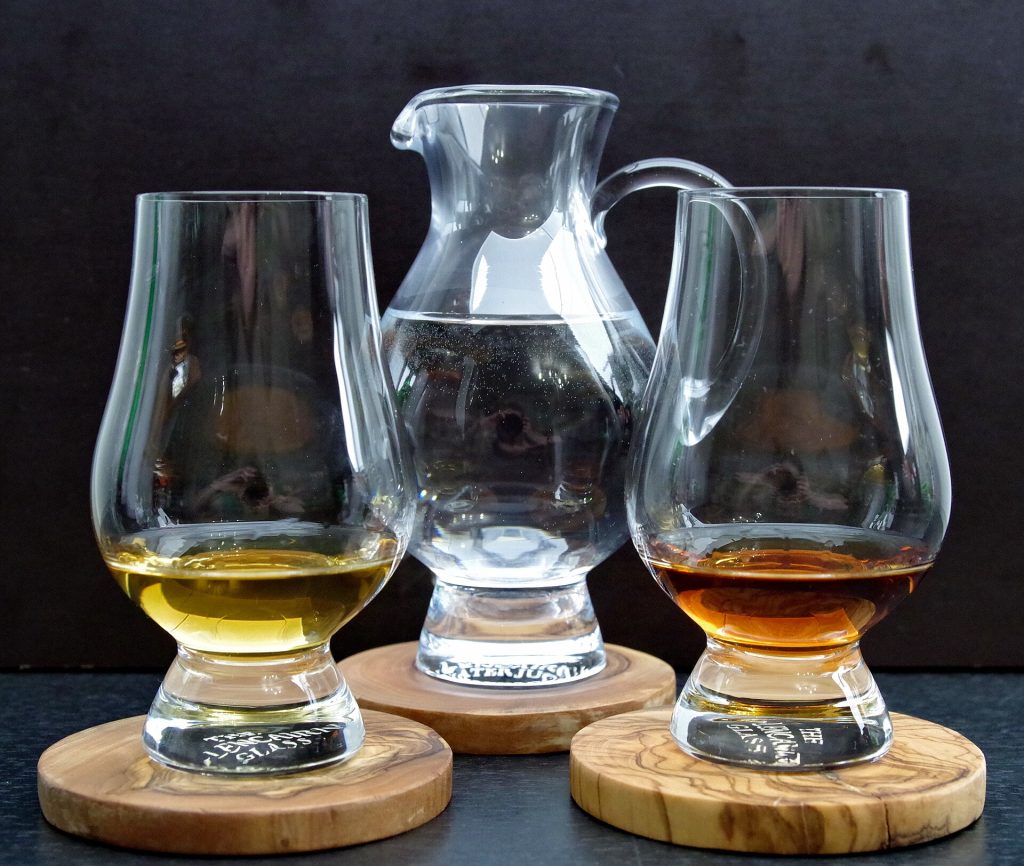
- Neat: poured straight into the glass at room temperature. You taste the whisky as the distiller bottled it.
- With water: neat, with a few drops or a small splash of water. Many drinkers find it softens the alcohol and brings out aromas. Ask for water on the side so you control the amount.
- On the rocks: over ice. It chills and dilutes the whisky as it melts, which suits a hot day or a strong bourbon.
- With a mixer: a highball with soda water is an easy, refreshing way into lighter styles.
“Up” usually means chilled and strained without ice, and applies mostly to cocktails. If you want whisky with nothing added, “neat” is the word.
A good whisky order has three parts: a style, a serve and a budget. Give the bartender all three and they’ll do the rest.
Step 3: Read the back bar
The back bar is the shelving behind the bartender, and it follows a logic you can read from your seat.
- Find the whisky section. Most bars group whiskies together, often sorted by country or style.
- Check the top shelf. Older, rarer and pricier bottles usually live higher up; the everyday pours sit at arm’s reach.
- Look for age statements. A number such as 12 on the label tells you how long the whisky spent in the cask, and older bottles usually cost more.
- Scan for key words. “Single malt,” “straight bourbon,” “single pot still” and “cask strength” all tell you something about what’s inside.
- Read the menu if there is one. Whisky bars often list tasting notes and prices, which saves you asking.
Step 4: Ask the right question
Bartenders are good at this, and most enjoy being asked. The trick is giving them something to work with.
Useful phrases
- “I like bourbon. What’s a rye you’d recommend?”
- “Something smoky, but not too heavy.”
- “What’s a good Scotch in the mid-price range?”
- “I usually drink it on the rocks. What would you pour?”
If you like cocktails, a whisky sour or old fashioned is a gentler introduction to a new style, and our guide to classic cocktails covers the basics. For more bar-side know-how, browse our bars and nightlife guides.
Step 5: Try a flight and set your price
Flights
Many whisky bars offer flights: three or so smaller pours served side by side. They are the fastest way to learn your taste. Pick a flight that compares one variable, such as three Scotches from different regions or a bourbon, a rye and a wheated bourbon, and notice what you prefer.
Price tiers
Prices vary so much by bar and city that exact figures don’t travel well, but menus tend to fall into three tiers. Use them to set your budget before you order.
- House or well pours: the bar’s everyday bottles, often used in cocktails. Fine with ice or a mixer.
- Call or mid-shelf: named bottles you ask for. This is where most of the value in neat sipping sits.
- Premium or top shelf: older, rarer or limited bottles. Worth trying once you know which style you like.
Saying “something in the middle of your range” is a perfectly normal way to order.
FAQ
What does “neat” mean when ordering whisky?
Neat means poured straight into the glass with no ice, water or mixer, served at room temperature.
What’s the difference between bourbon and rye?
Under US federal standards, bourbon is made from at least 51% corn and rye whisky from at least 51% rye. Bourbon tends to taste sweeter; rye is usually spicier.
Is it rude to add water or ice to whisky?
No. How you drink it is up to you. Adding a few drops of water is a common way to open up a whisky’s aromas.
Should a beginner start with a flight?
It is the best place to start. Three small pours of different styles side by side teach you more in one sitting than three full glasses on three different nights.
Your next round
Next time you’re at the bar, pick one style from the table above, ask for it neat with water on the side, and tell the bartender your budget. If a flight is on the menu, order that instead. Want somewhere to try it? Browse the restaurant directory for a spot with a good back bar, and see our cocktail bar picks.
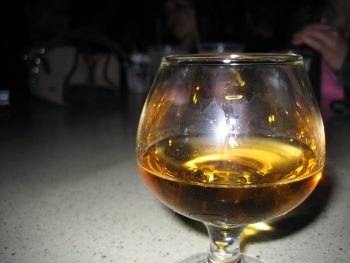
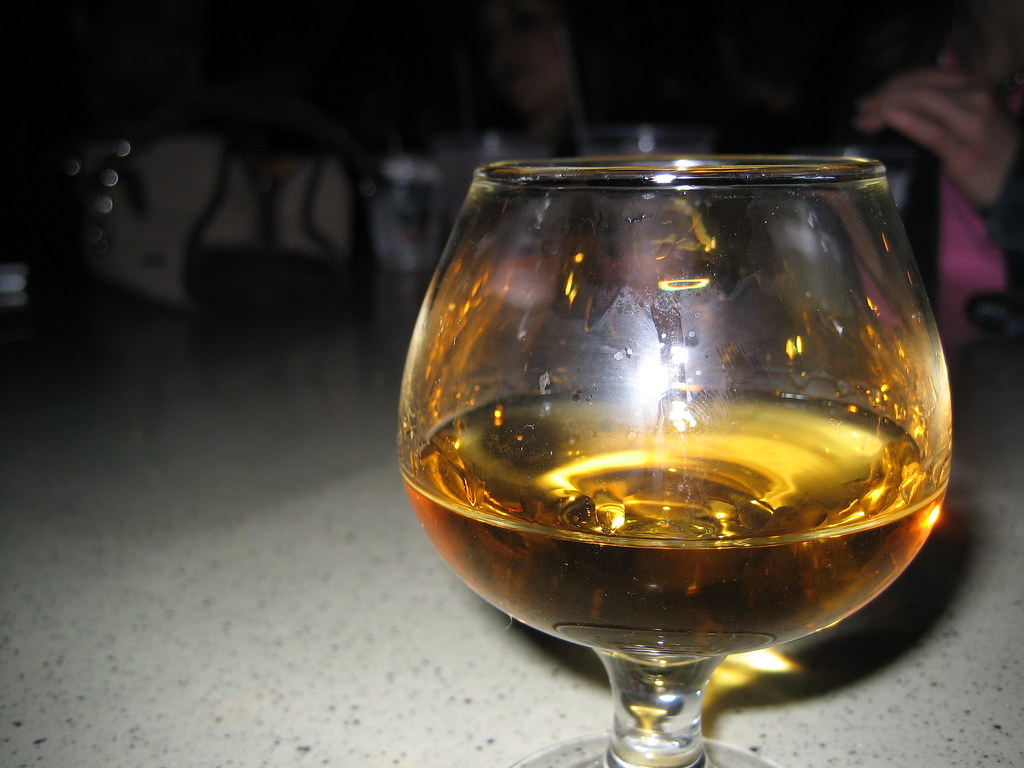
Featured photo: The Balvenie 12-Year Neat by Matthew Levine, BY 2.0.