For chefs, food writers, and travelers who live to taste the world, preparation matters as much as curiosity. Culinary exploration isn’t just about eating, it’s about navigating unfamiliar environments, managing health, and staying connected while documenting experiences. The best adventures happen when logistics are handled before the first bite.
If you’re planning a global food journey, the right tools and precautions will help you focus on what matters most: the flavors, the craft, and the people behind every dish.
Start With Digital Preparedness
Today’s culinary traveler relies heavily on digital access for translation apps, GPS, recipe notes, and research on local food markets. Yet, in many countries, access to websites, social platforms, or even search tools is restricted.
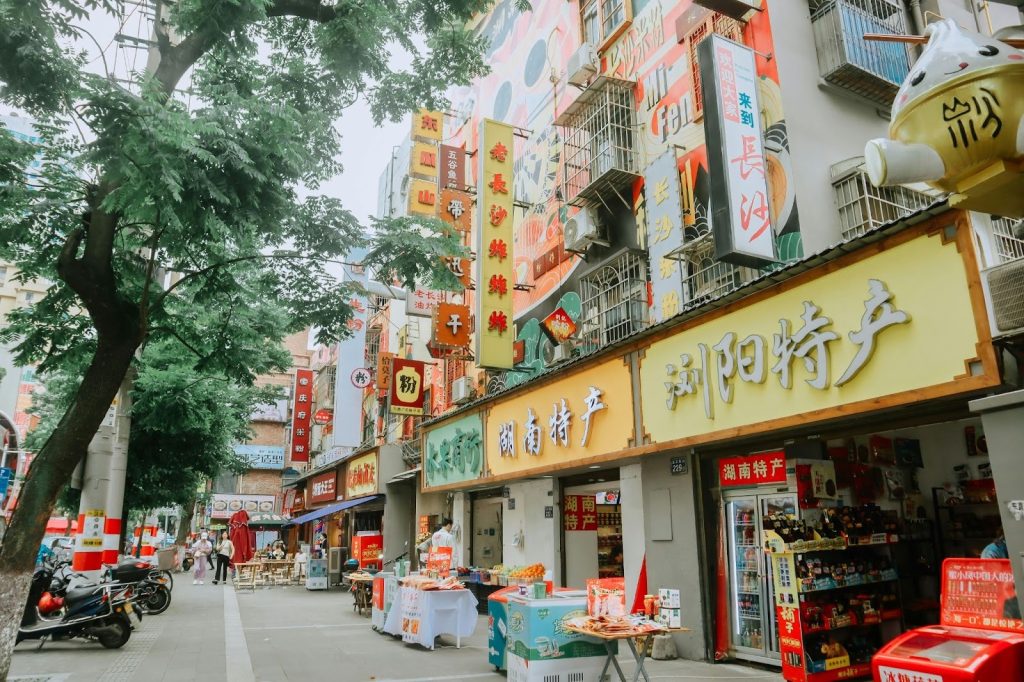
When visiting destinations like China, a China VPN becomes indispensable. It allows you to securely access communication apps, cloud storage, and culinary resources that may otherwise be blocked. A reliable VPN also encrypts your data, protecting sensitive information like credit card details or travel itineraries from unsecured Wi-Fi networks in cafés or hotels.
In regions where you plan to upload videos, share live food reviews, or collaborate with local chefs online, a VPN is your connection lifeline. Make sure to install and test it before departure. Some countries restrict VPN downloads once you’re inside their borders.
Tools and Essentials for Culinary Travelers
When your itinerary revolves around food, your packing list should balance practicality and preservation. The goal is to stay functional, hygienic, and ready for spontaneous tasting sessions in any setting.
Here’s a focused checklist:
- Compact camera or gimbal: For high-quality food documentation and handheld vlogging.
- Digital thermometer: Essential when participating in cooking workshops or tasting rare meats.
- Reusable utensils and chopsticks: Prevents cross-contamination and supports sustainability.
- Portable charger and power adapter: Keeps devices powered through long market days.
- Waterproof notebook: Notes on flavors, local ingredients, or recipes can be captured instantly.
- Hand sanitizer and travel soap: Hygiene tools are vital when sampling food on the street.
- Multi-pocket apron or waist pouch: Keeps money, phone, and tasting tools within reach.
- Insulated water bottle: Prevents dehydration during outdoor food tours.
Each of these items contributes to operational efficiency. Culinary travel involves constant motion—tastings, interviews, photos, and transit between venues. Streamlining your gear helps you move quickly without compromising professionalism.
Protect Your Health While Sampling Everything
Exploring global cuisines means encountering new ingredients, preparation methods, and environmental conditions. Your digestive and immune systems will need support, especially if you’re trying street food or visiting regions with different hygiene standards.
One commonly overlooked factor is skin health. Long flights, sun exposure, and new climates can trigger irritation or flare-ups. If you have sensitive skin or conditions like eczema, it’s essential to apply eczema cream before exposure to dry air, heat, or humidity changes. Preventive care keeps you comfortable and focused, rather than distracted by irritation while you’re filming or eating outdoors.
Hydration also plays a critical role. Drink filtered water whenever possible, and avoid ice in regions where water purification standards vary. Carry electrolyte packets and skin-safe wipes. These are simple tools that go a long way in maintaining physical resilience through long days of exploration.
Understanding Local Food Ecosystems
Before your trip, study each region’s food regulations, customs, and health standards. For example, certain markets require permits for filming or tasting demonstrations. Some countries restrict the import of spices, seeds, or preserved goods, so familiarize yourself with customs laws before buying souvenirs.
It’s also smart to learn local dining etiquette. Simple gestures like how to handle chopsticks or where to sit in communal meals show respect for culinary traditions. Missteps can unintentionally offend hosts or vendors.
Networking with local chefs or culinary guides before arriving can help you avoid pitfalls. They can provide insight into seasonal ingredients, sourcing ethics, and kitchen hierarchies that define regional cooking.
The Science of Staying Focused
Culinary travel demands mental clarity. Jet lag, inconsistent nutrition, and long days can easily dull your senses. Short, strategic habits can help you maintain energy and focus.
- Adjust to time zones early: Shift your sleep schedule gradually before departure.
- Eat probiotics: Yogurt, kefir, or fermented vegetables strengthen digestion and immunity.
- Stretch regularly: Reduces fatigue during long flights or extended market walks.
- Limit caffeine post-noon: Keeps your sleep cycle aligned with local time.
According to a National Sleep Foundation study, travelers who sleep at least 7 hours per night adapt to new time zones 30% faster. Rest directly influences sensory accuracy which is critical for chefs and tasters evaluating flavor nuances abroad.
Building Cultural Sensitivity Through Food
Every dish you encounter tells a story. Respecting that story is as important as tasting it. Approach unfamiliar cuisines with humility and curiosity. Ask questions about preparation methods, sourcing, and cultural significance.
Avoid judging flavors through your own culinary lens. What’s considered spicy, sweet, or balanced varies dramatically across regions. Keeping an open mindset enhances both learning and networking opportunities.
As you explore, document with context, not just aesthetics. Describe the craft, the ingredients, and the environment that shape each meal. This approach enriches your content and strengthens your credibility as a global culinary explorer.
Final Thoughts
Culinary travel is a mix of discipline and adventure. Success lies in thoughtful preparation—both digital and physical. From securing online access with a China VPN to remembering to apply eczema cream before long travel days, small actions protect your health and productivity on the road.
Every meal abroad is more than an experience, it’s a cultural exchange. When you’re equipped, aware, and connected, you’re free to focus on what truly matters: discovering flavors that define the world’s kitchens.