Expansion Looks Easy From the Outside
Opening a second location feels like progress. More stores. More revenue. More brand exposure.
But expansion breaks weak systems.
Many operators assume what worked once will work again. That is the first mistake.
The National Restaurant Association reports that restaurant failure rates climb as operators expand too quickly. Growth adds pressure. Costs rise. Control drops.
I watched one operator open three locations in one year. The first store ran well. The next two struggled. Staffing broke down. Food quality slipped. Within 18 months, two locations closed.
The idea was not the problem. The system was.
Mistake #1: Scaling Before the System Is Ready
One Good Store Is Not Enough
A single successful location does not mean the model is ready.
Ask:
- Can someone else run it without you?
- Are processes written down?
- Is performance consistent week to week?
If the answer is no, expansion will expose that.
I once walked into a busy store where the owner still made every key decision. Orders, staff issues, vendor calls. It worked because he was there.
He opened a second store. He could not be in two places. Both locations suffered.
Fix It Before You Grow
Build a system that runs without you.
Document:
- Recipes
- Prep steps
- Training flow
- Opening and closing routines
Test it. If a new manager can run the store with minimal help, you are closer.
Mistake #2: Overbuilding the Concept
Bigger Is Not Better
Operators often go bigger on the second location. More seats. Bigger kitchen. More equipment.
Costs jump fast.
Construction costs for restaurants have increased by over 20% in recent years, according to industry reports. Overspending early puts pressure on margins.
I saw a second location built with double the equipment of the first. Half of it sat unused. The rent was higher. The return was worse.
Stay Lean
Match the build to the concept.
Ask:
- What equipment is used every day?
- What space is actually needed?
Cut the rest.
Lean stores reach profitability faster.
Mistake #3: Choosing the Wrong Location
Not All Traffic Is Good Traffic
A busy street does not guarantee sales.
You need the right customers. Not just more people.
Look at:
- Who lives or works nearby
- How often they eat out
- What they are willing to spend
A study by CBRE shows that location and demographics are among the top factors in restaurant success.
Test and Validate
Do not rush site selection.
Visit at different times:
- Lunch rush
- Evening
- Weekends
Watch patterns.
Benjamin Nasberg would often stress that a bad location cannot be fixed with good marketing. The numbers have to work first.
Mistake #4: Ignoring Unit Economics
Revenue Is Not Profit
More locations can increase sales. That does not mean more profit.
Each store must stand on its own.
Watch:
- Food cost
- Labor cost
- Rent percentage
Most restaurants operate on 3% to 6% profit margins. Small mistakes wipe that out.
Know Your Break-Even Point
Calculate:
- Fixed costs
- Variable costs
- Expected sales
If the numbers do not work on paper, they will not work in reality.
I saw a location with strong sales but high rent. It looked busy. It lost money every month.
Mistake #5: Weak Hiring and Training
People Make the System Work
Expansion means new teams.
If hiring is rushed, quality drops.
Training must be clear and repeatable.
I once visited a new location where staff learned by watching others. No guides. No structure. Every shift looked different.
Customers noticed.
Build a Training Engine
Use:
- Simple checklists
- Step-by-step guides
- Hands-on practice
Short training cycles work better.
Consistency builds confidence.
Mistake #6: Expanding the Menu Too Soon
More Items, More Problems
Operators often add new items to “freshen” the second location.
This slows everything down.
More ingredients. More prep. More mistakes.
A report from Toast shows that larger menus increase waste and reduce efficiency.
Keep It Focused
Stick to what sells.
Add items only after the system proves it can handle them.
I remember a team adding five new items for a new location launch. Prep time doubled. Orders slowed. They removed three items within weeks.
Mistake #7: Losing Control of Quality
Consistency Is Hard at Scale
Customers expect the same experience every time.
Expansion makes that harder.
Without strong systems, quality drifts.
One store tastes great. Another feels off.
That kills repeat business.
Build Quality Checks
Use:
- Daily audits
- Manager checklists
- Customer feedback
Fix issues fast.
Small problems grow quickly across multiple locations.
Mistake #8: Growing Too Fast
Speed Creates Risk
Opening multiple locations at once stretches resources.
Cash flow gets tight. Teams get thin.
Mistakes multiply.
Data from industry studies shows that controlled growth leads to higher long-term survival rates.
Pace Matters
Open one location. Stabilize it. Then move to the next.
Growth should follow performance.
Not the other way around.
Actionable Steps for Smarter Expansion
Step 1: Lock the System
Before expanding:
- Document all processes
- Test them with new staff
- Ensure consistent results
Step 2: Validate the Numbers
For each location:
- Run full cost projections
- Stress test sales assumptions
- Confirm break-even targets
Step 3: Build a Strong Team
- Hire managers early
- Train them well
- Give them clear tools
Step 4: Stay Lean
- Avoid unnecessary build costs
- Limit equipment
- Keep menus tight
Step 5: Track What Matters
Focus on:
- Order time
- Cost percentages
- Customer return rate
These show if the system works.
The Bottom Line
Expansion is not about opening more doors. It is about repeating what works.
Most operators get caught chasing growth. They forget to protect the system.
The best operators think differently.
They build something simple. They test it. They refine it. Then they scale.
If the system holds, growth follows.
If it does not, expansion will expose every flaw.
Keep it simple. Keep it controlled. That is how you grow without breaking.
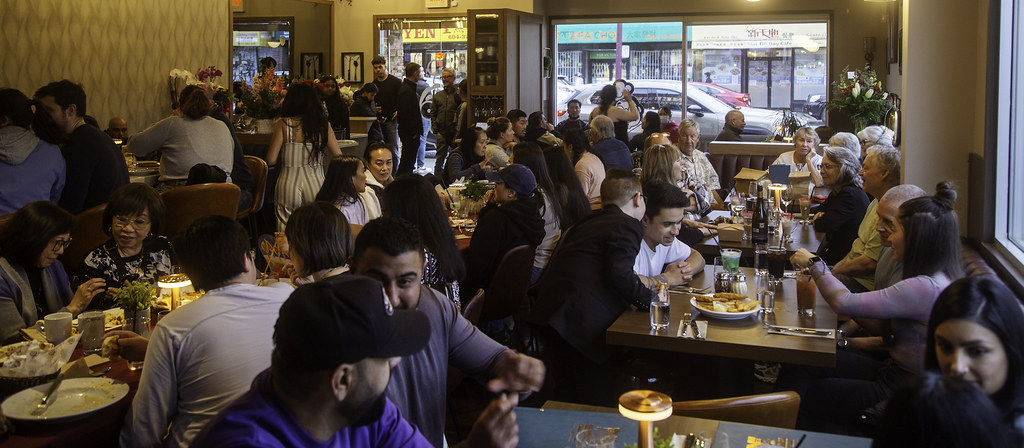
Featured photo: The Grand Opening of Neighbour’s Restaurant’s New Location 2023 by Rod Raglin, BY-SA 2.0.