18+ Gaming content is for adults of legal age where they live. Gambling involves risk; please play responsibly.
As the online casino industry expands across new regions, operators are increasingly turning to localized game providers to engage players more effectively. These studios specialize in creating content tailored to specific markets–using local themes, cultural references, payment systems, and gameplay styles that feel familiar to regional audiences. By the end of 2025, localized content was no longer a niche approach. It became a strategy that significantly impacted retention, conversion, and long-term player trust. In 2026, this trend is expected to grow even stronger.
Why Casinos Are Prioritizing Localized Providers
Global expansion has forced casinos to rethink their one-size-fits-all content strategies. A slot that performs well in Scandinavia might not resonate in Japan. A game show popular in Latin America might struggle in Western Europe. As more casinos compete for attention, the need for culturally relevant content becomes essential.
Key Reasons for the Shift
- diverse markets with unique tastes
- rising competition in newly regulated regions
- higher player loyalty toward familiar themes
- demand for payment and feature styles aligned with local habits
- regional regulations shaping game design requirements
Localized providers help casinos speak the “language” of each market–visually and mechanically.
What Localized Providers Bring to the Table
Localization goes beyond translating game text at SkyCrown. These studios understand regional play patterns, preferred volatility levels, and local entertainment styles. They create games that feel authentic rather than adapted.
For example, players in Southeast Asia often prefer fast-paced, colourful slots with simple mechanics, while Eastern European players lean toward high-volatility titles with strong math models. Latin American audiences respond well to football-themed or reality-style features, and Japan’s market prefers anime-inspired designs and arcade-like mechanics.
Localized providers build specifically for these trends, giving casinos more accurate tools for engagement.
| Feature | Global Providers | Localized Providers |
| Themes | Broad, universal | Culturally specific |
| Volatility Design | General-purpose | Based on regional preferences |
| Payment Integration | Standard global methods | Local payment systems included |
| Art Style | Neutral visuals | Region-influenced graphics |
| Market Appeal | Wide audience | High engagement within target region |
The difference is less about size and more about cultural precision.
How Localization Improves Player Engagement
Players are naturally more engaged when they see something familiar–whether it’s local music, regional storytelling elements, or recognisable symbols. Emotional connection plays a major role in entertainment-based decision-making, and slots are no exception.
When a casino features games that feel culturally relevant, players spend more time exploring, return more frequently, and show stronger loyalty. In regions where the market is newly regulated, localized content helps build immediate trust because it shows that the casino understands the audience rather than simply importing global titles.
The Business Benefits for Casinos
Beyond user engagement, casinos gain several operational advantages by working with localized providers. These studios often adapt quickly to region-specific regulatory frameworks, easing compliance. They also offer lighter, mobile-optimized builds tailored for local network conditions, which is particularly valuable in growing markets.
Casinos also stand out from competitors by offering exclusive localized titles. This exclusivity becomes a marketing strategy, giving operators something unique to promote during campaigns or seasonal events.
Why 2025 Marked a Turning Point
In 2025, major markets such as Brazil, several African countries, parts of Asia, and regions across Eastern Europe saw rapid regulatory changes. Many of these markets had unique cultural expectations, making global templates ineffective. Casinos that integrated localized titles early gained a competitive edge, showing significantly higher retention compared to platforms that relied solely on international providers.
At the same time, game developers from emerging markets matured quickly. Their graphics improved, math models became more refined, and partnerships with major aggregators expanded their reach. This created a healthy cycle: the more localized content players consumed, the more demand grew for even richer local experiences.
How Localization Influences Game Mechanics
Localization isn’t just about visuals; it shapes mechanics too. Some regions prefer low-volatility games with quick wins, while others seek high-risk slot structures. Bonus pacing, multipliers, and feature frequency all vary from market to market.
For example, markets with strong mobile usage might prioritise “fast tap” mechanics and simple bonus rounds. Regions with a history of traditional gambling might favour table-style game hybrids or high-stakes features. Localization ensures the game’s feel matches the audience’s natural behaviour.
What to Expect in 2026
2026 will push localization even further. Aggregators are expanding their partnerships, and leading studios are opening local offices in emerging markets. Cross-cultural collaborations will also rise, blending global-level production quality with region-specific storytelling.
Casinos will begin introducing localized live casino content–local-language hosts, regional celebrations, and themed game-show events. Player personalization algorithms will lean more heavily on regional behaviour patterns, recommending games not just by volatility or provider but by cultural resonance.
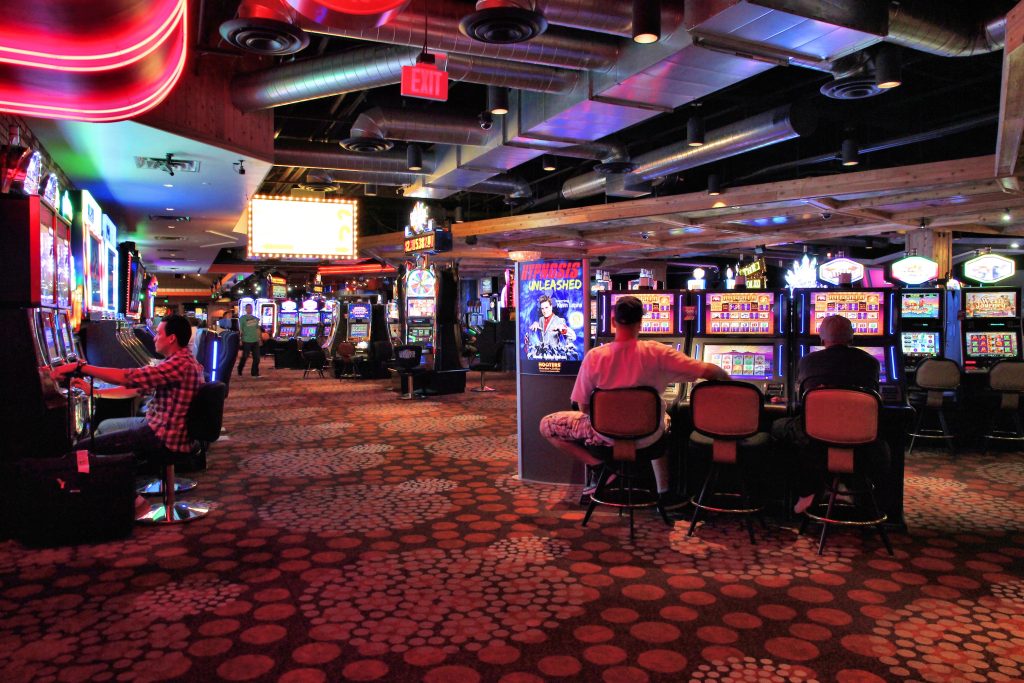
Featured photo: 07 Las Vegas OYO Hotel and Casino, formerly known as Hooters Casino Las Vegas – slot games casino floor by Marek Ślusarczyk (Tupungato) Photo portfolio, BY 3.0.