In the past few years, what was once an “amenities arms race” comprised of brightly colored bean bags and novelty cold brew taps has now evolved into a more sophisticated focus on the human experience. By 2026, the primary reason for people attending an office will not merely be their desk–it will be for the atmosphere.
High-quality, dependable, and inclusive nutrition is now one of the key drivers behind this shift. For the majority of companies, partnering with leading corporate foodservice operators is no longer just another logistics item on the to-do list but also a strategic lever to retain talent with a major impact on both current occupancy levels and longer-term employee loyalty.
Beyond the Free Lunch: Food as Infrastructure
As Hybrid Work has become the established norm, utilizing workplace food as an extension of creating a “destination office” to justify commuting is vital to offering today’s employees a sense of respect and value for their time. The use of food in the office can help reduce decision fatigue experienced throughout the day because when employees understand they have access to a freshly prepared, high-quality meal within the confines of the building, this helps remove one of the largest friction points of their everyday workday routine.
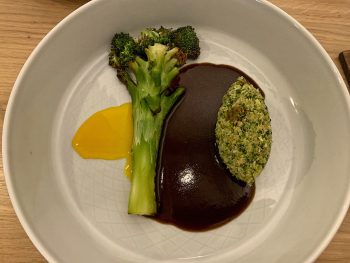
There is a growing trend toward hyper-local sourcing and high-quality food from providers that reflect the same standards set by premium high street restaurants versus traditional generic steam table buffets. Providing this quality and consistency indicates the employer is committed to ensuring the health and well-being of its employees through access to appropriate nutrition, and all employees’ cognitive performance is positively affected by stable blood sugar levels and the intake of healthy nutrition. If your employees eat a nutritious meal, they will maintain a more focused level of productivity than if they only had access to high-sodium processed foods, as this will often lead to a decrease in productivity during the afternoon hours for all traditional office workers.
Designing Inclusion Through Diverse Menu Engineering
A menu that is the same for every individual is seen more and more as a hidden way of excluding people. In today’s workforce, where there are many cultures present and so people have different foods and diets that they eat (or cannot eat), providing inclusive menus for all team members provides a sense of belonging. The implementation of “default inclusively” menus that highlight global cuisines, allergens, and plant-based products will allow every member of their team to feel valued as part of the team. This applies to all companies where leaders are focusing on the relationship between an inclusive culture and retaining their employees.
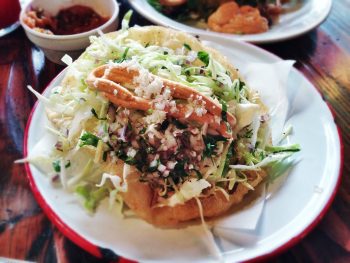
As a result, it has created a baseline expectation of customized dining. Providers that can deliver to a wide variety of employees with differing dietary limitations from keto, paleo, halal and vegan diets, without adding work to their operations, will be seen as a higher-end provider. Providers can also leverage food to recognize significant cultural moments as well as change the menu every season to ensure employees do not develop “menu fatigue.” These strategies will help convert a basic lunch break into a significant way to build a cultural connection with their employees. Not only do these strategies fill people’s stomachs, but they also create a memory of the care and attention that the food has provided to the team member who is considering their future employment.
The Role of Technology in the Modern Cafeteria
Frictionless experiences are a non-negotiable expectation for today’s tech-savvy workforce. To maintain high satisfaction levels, forward-thinking companies are integrating workplace dining and cafeteria programs that utilize app-based pre-ordering to eliminate long queues. This technology allows employees to customize their meals and schedule pickups, maximizing their break time for actual rest rather than standing in line.
Furthermore, the strategic placement of these dining hubs encourages the “watercooler effect”—those serendipitous interactions between departments that drive innovation. By leveraging data analytics, providers can also predict occupancy trends, ensuring fresh food is always available while significantly reducing unnecessary food waste. Modern office design relies on these “social anchors” to create a sense of community that remote work simply cannot replicate.
The integration of touchless payment systems and real-time feedback loops ensures that the dining program is never static. If a particular dish isn’t performing well, or if the staff finds a specific layout cumbersome, the data reflects it immediately. This allows for agile adjustments that keep the employee experience fresh, responsive, and aligned with actual user preferences rather than guesswork.
Sustainability and Ethical Sourcing as Retention Signals
For Gen Z and Millennial employees, corporate values are a deciding factor in staying with an employer. They prioritize organizations whose environmental commitments are visible in daily operations. Transparent supply chains and zero-waste initiatives in the cafeteria serve as a daily “proof of concept” for a company’s ESG goals. When employees see regional partnerships and seasonal produce on their plates, it signals that their employer is mindful of its carbon footprint.
What are the latest trends in corporate food services for 2026?
Typically, the response is related to “climatarian” dining, menus created to limit the environmental footprint of food through local, sustainable agriculture and ecosystem restoration. Examples include purchasing products that have been grown with environmentally sustainable farming techniques or using compostable packaging that has been properly processed on-site, such as using ugly fruit, to reduce farm waste. Employees will become more emotionally committed to a company when their company has similar value systems related to the environment as those they personally possess.
Strategic Reliability in a Hybrid World
For HR managers, one of the biggest issues in 2026 is the uncertainty surrounding how many employees will be physically present on any given day in the office. On some days, the occupancy levels on the main office floor can be as high as 90%, while on other days those numbers may fall to approximately 30%. Elite corporate food service companies have adapted to this unpredictability by utilizing scalable models. For example, smart fridges stocked with chef-prepared meals may be available for employees on days with lower occupancy levels, while full-service catering may be provided for larger meetings on “all-hands Tuesdays”. Regardless of which model is utilized, the consistency of the food quality must remain at a high level.
If an employee makes the effort to commute into the city only to find that the cafeteria is either closed or has limited choices because it is considered a “slow Friday”, then their psychological contract with their employer will be negatively impacted. Reliability is the foundation of trust, and a partner who can adjust their service model based on current occupancy data and integrate into a client’s calendar will help ensure that the office will continue to be a functional and welcoming environment, irrespective of what day of the week it is. The level of operational excellence that a partner can provide is what distinguishes a simple vendor from who is considered to be a strategic partner in creating a great workplace experience.
Responsible Use and Compliance
The safety aspect of a dining programme is really the foundation upon which all operations should be built, regardless of how much emphasis is placed on flavour and experience. It is vital that the organisations that manage these operations comply with USDA and FDA food safety regulations strictly. The organisations who manage any type of food service should require their suppliers/vendors to have a comprehensive liability insurance policy and to possess current health and/or sanitation-related licensing and certifications. This is not only about reducing risk, but also about protecting the most valuable asset of any organisation, which is the people who work there.
Moreover, in today’s work environment, it is not only a trend to have accurate nutritional labels available, but it is also a requirement for compliance with modern workplace wellness standards. As more and more companies employ corporate wellness programmes with financial incentives based on health, it is important to provide accurate caloric, macro-nutrient, and other data in order for employees to know how to effectively achieve their health-related goals.
Conclusion: Investing in the “Anchor” of the Office
Adequate food service in today’s environment serves as an “anchor” to the office to justify making the trip. Food service creates a physical workspace that’s really a community hub, and community, by nature, builds culture through shared experiences (meals) over time. An evaluation is needed for your current food service provider to ensure they have what it takes to meet the increased needs of 2026. Your ultimate goal should be to move toward a food service relationship that is more than just a benefit to you as a client and client/partner, but one that provides nourishment for your body, as well as nutrition for your corporate culture.
Featured photo: Office lunch meal prep by ella.o, BY 2.0.