-
by Resto Guy
- May 14, 2026
Introduction: Beyond the Plate
Fine dining is often associated with exquisite dishes, elegant plating, and high prices. While the food is certainly a central element, reducing fine dining to just what is served on the plate misses much of what makes the experience meaningful. In reality, fine dining is a carefully crafted combination of atmosphere, service, storytelling, and emotion. It is an experience designed to engage all the senses and create a lasting impression that goes far beyond taste alone.
Atmosphere: Setting the Stage
One of the most important aspects of fine dining is the atmosphere. From the moment guests enter the restaurant, every detail is intentional. Lighting is often soft and carefully positioned to create warmth and intimacy. Music, if present, is subtle and chosen to complement conversation rather than dominate it. The layout of the room is designed to provide privacy and comfort, ensuring that diners feel both relaxed and special. Even elements such as table spacing, furniture design, and color schemes are chosen to support the overall mood. This environment sets the stage for the meal and signals that the experience is meant to be savored rather than rushed.
Service: Anticipating Every Need
Service is another defining feature of fine dining. Unlike casual dining, where interaction with staff may be minimal or functional, fine dining service is highly attentive and personalized. Servers are trained not only to deliver food but to anticipate needs before they are expressed. They understand the menu in depth, including ingredients, preparation methods, and wine pairings, allowing them to guide guests through the experience. Timing is also crucial; dishes are served in a carefully orchestrated sequence that enhances pacing and enjoyment. The goal is to make guests feel cared for without being overwhelmed or intruded upon.
Storytelling: A Narrative on the Menu
Beyond service and atmosphere, storytelling plays a powerful role in fine dining. Many high-end restaurants design their menus around a concept, theme, or narrative. Each dish is part of a larger story, whether it reflects seasonal ingredients, a cultural tradition, or the personal journey of the chef. This transforms the meal into something more meaningful than a collection of courses. Guests are invited to engage with the story behind the food, deepening their appreciation of what they are eating. In some cases, chefs or servers explain the inspiration behind dishes, adding another layer of connection between the kitchen and the table.
Presentation: Food as Art
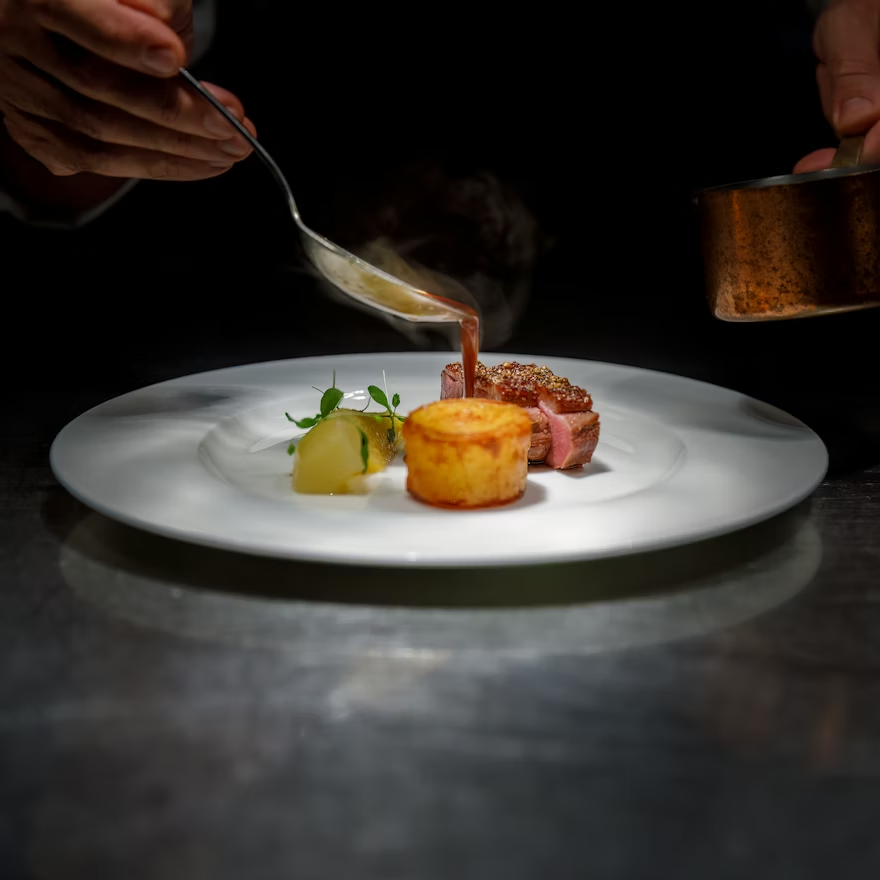
Presentation is also a key element that contributes to the overall experience. Fine dining dishes are often arranged with artistic precision, using color, texture, and composition to create visual impact. The plate becomes a canvas, and the food becomes part of an artistic expression. This attention to detail enhances anticipation and heightens the sensory experience even before the first bite. The visual beauty of the dish can influence how it is perceived in terms of flavor and quality, demonstrating how closely sight and taste are connected.
Cultural Expression: A Global Dialogue
Fine dining is also a platform for cultural expression, where chefs reinterpret traditions or introduce diners to new culinary perspectives. Ingredients and techniques often reflect deep cultural roots, transformed in ways that feel both respectful and innovative. For instance, modern luxury dining experiences such as those offered by The Caviar Club highlight how indulgent ingredients and refined preparation can be used to celebrate culinary heritage while also pushing creative boundaries. Through experiences like these, guests are not just eating—they are engaging with culture in an immersive and memorable way.
Emotion: Memory and Meaning
Perhaps the most overlooked but essential part of fine dining is emotion. A well-executed experience can evoke feelings of celebration, nostalgia, curiosity, or even surprise. This emotional connection is what often makes fine dining memorable. People may not remember every ingredient of a dish they had years ago, but they often remember how the experience made them feel. Whether it is a romantic dinner, a milestone celebration, or a personal indulgence, fine dining often becomes tied to meaningful life moments.
Conclusion: A Complete Experience
In conclusion, fine dining is far more than just food on a plate. It is a carefully orchestrated experience that combines atmosphere, service, storytelling, presentation, emotion, and creativity. Each element works together to create something memorable and meaningful. When done well, fine dining leaves a lasting impression not just on the palate, but on the mind and heart as well.