Why Does Restaurant Hygiene Matter?
What makes customers feel comfortable when they walk into a restaurant? Is it the menu, the service, or the atmosphere? While all these factors contribute to a positive dining experience, none are more important than cleanliness and hygiene. Customers expect restaurants to provide food that is safe to eat and an environment that reflects high standards of care and professionalism. In today’s competitive food service industry, restaurant hygiene is not simply a recommendation—it is an essential requirement for protecting public health, building customer confidence, and ensuring long-term business success.
Food Safety Starts with Cleanliness
Food safety begins with maintaining a clean environment throughout every stage of restaurant operations. From receiving ingredients to preparing and serving meals, there are numerous opportunities for contamination if proper hygiene procedures are not followed. Harmful bacteria, viruses, and other microorganisms can spread through dirty surfaces, improperly stored food, contaminated equipment, or poor handling practices. By maintaining strict sanitation standards, restaurants can significantly reduce the risk of foodborne illnesses and protect both customers and staff.
Preventing Contamination in the Kitchen
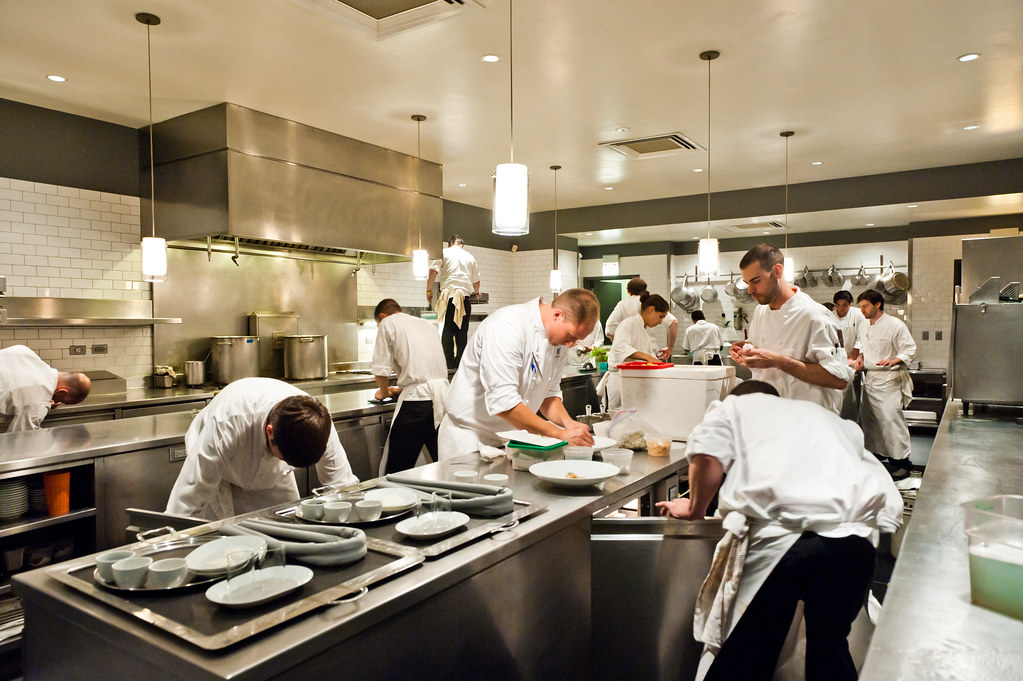
The kitchen is the heart of every restaurant, making it one of the most critical areas for hygiene management. Food preparation surfaces, cooking equipment, storage areas, and utensils must be cleaned and sanitized regularly to prevent cross-contamination. Ingredients should be stored at appropriate temperatures, and separate preparation areas should be used when handling raw and cooked foods. Consistent cleaning schedules and routine inspections help ensure that hygiene standards are maintained at all times, reducing the likelihood of health risks and operational disruptions.
The Importance of Employee Hygiene
Restaurant employees play a vital role in maintaining food safety and cleanliness. Staff members interact with food, equipment, and customers throughout the day, making personal hygiene practices essential. Frequent handwashing, clean uniforms, proper glove usage, and adherence to food handling protocols help prevent the spread of harmful contaminants. Regular training programs also reinforce best practices and ensure employees understand their responsibilities in maintaining a safe and hygienic workplace.
Creating a Positive Customer Experience
Cleanliness has a direct impact on how customers perceive a restaurant. A spotless dining area, clean restrooms, and well-maintained facilities create a positive first impression and demonstrate a commitment to quality. Customers are far more likely to trust and return to establishments that consistently prioritize hygiene. On the other hand, visible signs of poor cleanliness can quickly damage a restaurant’s reputation, regardless of the quality of its food or service. In an era where online reviews influence purchasing decisions, maintaining exceptional hygiene standards has become more important than ever.
The Value of Professional Cleaning Support
Many restaurant owners recognize that maintaining consistently high standards requires more than daily cleaning routines. Professional restaurant cleaning services can help businesses manage deep cleaning tasks, sanitize hard-to-reach areas, and maintain compliance with health regulations. By complementing in-house cleaning efforts, these specialized services help restaurants create safer environments for customers and employees while supporting overall operational efficiency.
Meeting Health and Regulatory Standards
Compliance with health regulations is a critical aspect of restaurant management. Health inspectors evaluate restaurants based on cleanliness, food handling practices, pest control measures, and overall sanitation standards. Failure to meet these requirements can result in fines, negative inspection reports, temporary closures, or damage to a business’s reputation. Restaurants that prioritize hygiene are better positioned to meet regulatory expectations and demonstrate their commitment to public safety.
The Financial Benefits of Strong Hygiene Practices
Investing in hygiene is also a sound financial decision. While cleaning supplies, employee training, and sanitation procedures require resources, these costs are minimal compared to the potential consequences of a food safety incident. Foodborne illness outbreaks can lead to legal claims, compensation costs, lost revenue, and long-term reputational damage. Preventative hygiene measures help restaurants minimize risk and protect their financial stability.
Building Customer Loyalty Through Trust
Trust is one of the most valuable assets a restaurant can earn. Customers who feel confident in a restaurant’s cleanliness and food safety standards are more likely to return and recommend the establishment to others. Consistently maintaining a hygienic environment strengthens customer relationships and encourages positive word-of-mouth marketing. Over time, this trust contributes to increased customer loyalty and sustainable business growth.
Restaurant hygiene is far more than a regulatory obligation—it is the foundation of food safety, customer satisfaction, and business success. From preventing contamination and ensuring regulatory compliance to enhancing customer trust and protecting profitability, cleanliness influences every aspect of restaurant operations. By making hygiene a core business priority, restaurants can create safer dining experiences, strengthen their reputation, and position themselves for long-term success in an increasingly demanding industry.