Street food safety abroad comes down to a few habits: eat food that is fully cooked and served steaming hot, drink from factory-sealed bottles, skip ice where tap water is unsafe, choose fruit you peel yourself, and clean your hands before you eat. That is the core of the CDC’s guidance for travellers.
None of it means skipping the stalls. Street food is often the best food in a city, and plenty of travellers eat it daily without trouble. The aim is to tilt the odds in your favour, especially in places where the tap water isn’t safe to drink.
Here is what the CDC actually says, how to apply it at a busy market, and what it says about travellers’ diarrhoea if things go wrong.
Key takeaways
- The CDC says fully cooked food served hot is safest, and street-vendor food raises the risk of illness.
- Where tap water may be contaminated, drink factory-sealed bottles and cans and skip ice and fountain drinks.
- Fruit is safer if you peel it yourself or wash it in bottled or disinfected water.
- Wash hands with soap and water, or use sanitiser with at least 60% alcohol.
- Travellers’ diarrhoea is the most common travel-related illness, so pack a plan as well as good habits.
Why street food carries extra risk
The CDC Yellow Book, the agency’s guide for travel health professionals, is blunt: food and drinks from street vendors increase the risk of illness. The reasons are practical. Stalls may have limited running water, little refrigeration and food that sits out in the heat.
The stakes are real. The CDC calls travellers’ diarrhoea the most common travel-related illness, and the Yellow Book’s chapter on it puts attack rates at 30% to 70% over a two-week trip, depending on destination and season.
The CDC also says the highest-risk destinations are in Asia (except Japan and South Korea), the Middle East, Africa, Mexico, and Central and South America. That covers many of the world’s great street-food cities, which is exactly why the habits below matter.
The cooked-hot rule
If you remember one rule, make it this one. According to the Yellow Book, fully cooked foods served hot, and food you carefully prepare yourself, are the safest options.
The CDC’s food and water page for travellers adds detail: hot food should be steaming, cold food should be chilled, and lukewarm food is best avoided, because germs that cause food poisoning grow quickly in the danger zone between 40°F and 140°F.
Steam is your friend. If the food isn’t too hot to eat straight away, think twice before you eat it.
What that looks like at a stall
- Cooked to order beats pre-cooked. Skewers off the grill and noodles from the wok are better bets than trays that have been sitting out.
- Watch the handover. Hot food placed straight into your hands or bowl hasn’t had time to cool into the danger zone.
- Be wary of the garnish. A hot dish topped with raw herbs or cut vegetables brings back the raw-food risk.
Choosing a stall
The CDC doesn’t rank individual stalls, but its rules point to what to look for. Apply them as a quick checklist before you order.
- Look for turnover. A busy stall cooks and sells constantly, so food spends less time sitting at lukewarm temperatures.
- Look for heat. A live grill, wok or fryer means your food is cooked in front of you.
- Look at the cold side. Chilled items should be on ice or in a cooler, not warming in the sun.
- Look at the water. Where does washing-up and hand-rinsing happen? A stall with no clear water source is harder to trust.
- Follow the locals, with your checklist. A crowd is a good sign, but it doesn’t replace the cooked-hot rule.
For more on eating well on the road, browse our food travel guides and our tips for planning a food trip.
Water, ice and drinks
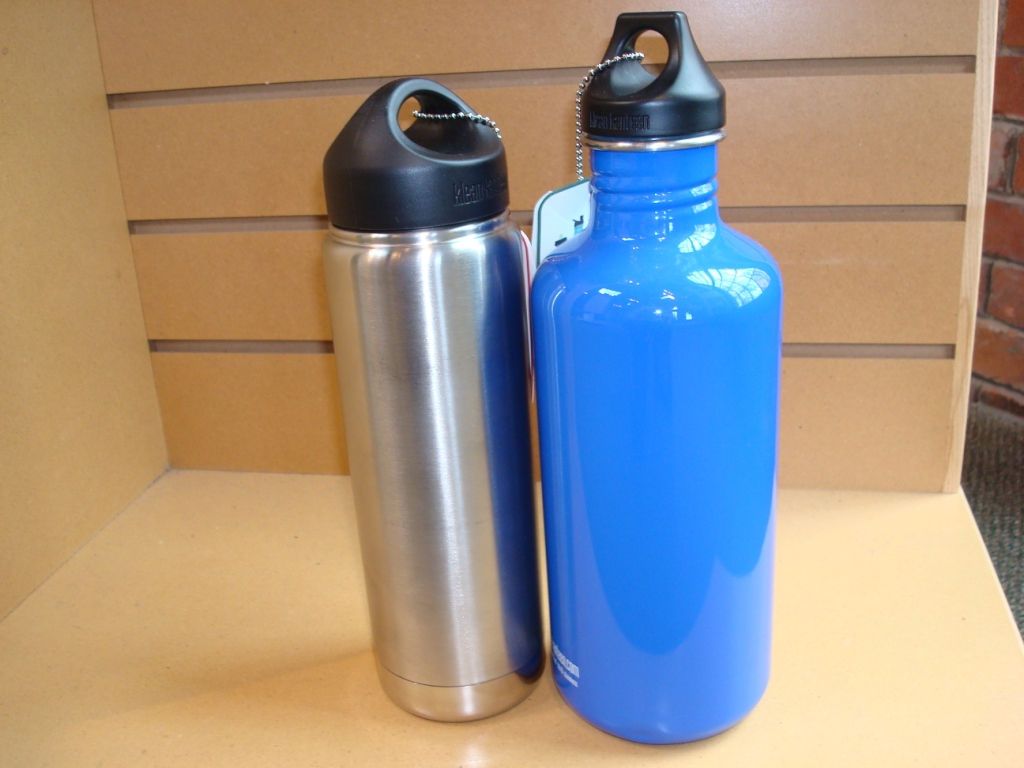
Drinks trip up more travellers than food, because water hides in places you don’t expect. The CDC’s advice for destinations where tap water might be contaminated is clear.
| Usually safer | Usually riskier |
|---|---|
| Factory-sealed bottled water | Tap water |
| Carbonated drinks in sealed bottles or cans | Fountain drinks, which are made with tap water |
| Steaming hot coffee and tea | Ice, unless you are reasonably sure it was made with safe water |
| Water that has been boiled, filtered or chemically treated | Drinks topped up with ice from an unknown source |
| Pasteurised milk and dairy | Unpasteurised dairy products |
The CDC notes that bubbles in a sealed carbonated drink indicate it was sealed at the factory. It also advises asking for drinks without ice where water safety is uncertain, since ice may be made from contaminated water.
Fruit, salads and raw food
Raw food is where street-food safety gets harder. The CDC advises avoiding raw foods such as cut vegetables, fresh salads, raw meat and seafood, and the Yellow Book adds that raw foods, including unpasteurised dairy, are especially likely to be contaminated.
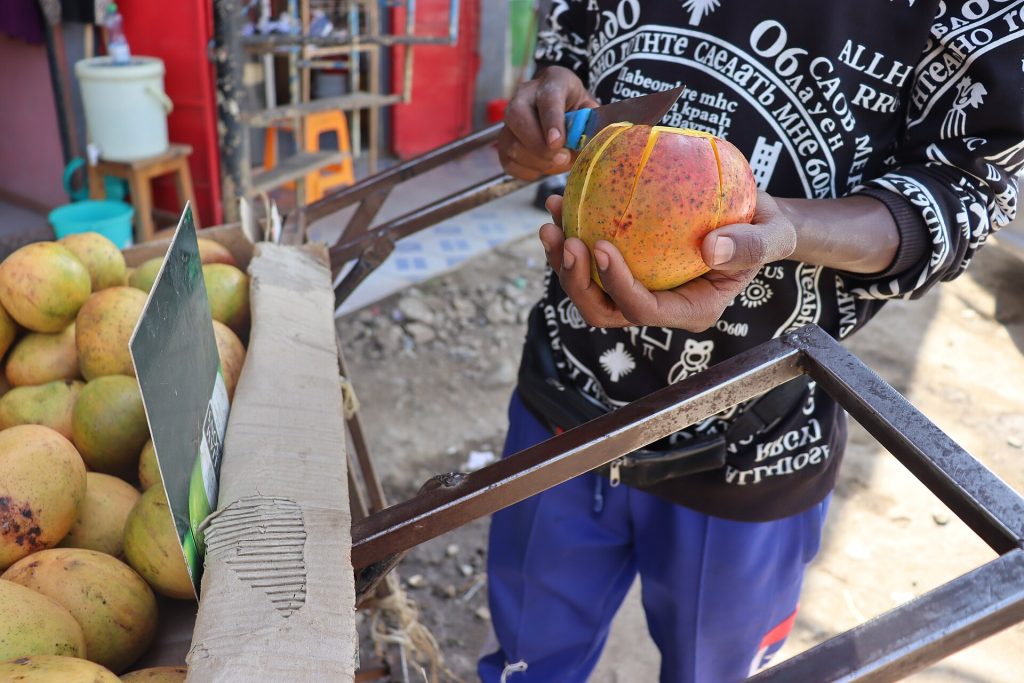
Fruit is the exception you can manage. The CDC says fruit and vegetables may be safer if you peel them yourself or wash them in bottled or disinfected water. A banana or mango you peel yourself is a very different proposition from a pre-cut fruit cup.
Safe snacks between meals
- Dry, packaged foods such as potato chips.
- Factory-sealed items like canned tuna or packaged crackers.
- Whole fruit you peel yourself.
Clean hands, every time
Clean hands matter as much as clean food, especially when you eat with your fingers. The CDC says to always wash your hands with soap and water before eating. When that isn’t possible, use an alcohol-based hand sanitiser with at least 60% alcohol.
Keep a small bottle of sanitiser in your day bag and use it before every stall stop. It takes seconds and it is the one safeguard fully under your control.
A reality check
Even perfect habits aren’t a guarantee. The Yellow Book notes that people who follow the food and water rules can still become ill, and that poor restaurant hygiene and weak sanitation infrastructure are major contributors. Good habits reduce risk; they don’t remove it.
FAQ
Is street food safe to eat abroad?
It carries more risk than food from a well-equipped kitchen, according to the CDC. Choosing fully cooked food served steaming hot, and avoiding raw items and ice where water is unsafe, lowers that risk.
How long does travellers’ diarrhoea last?
The CDC Yellow Book says untreated bacterial cases typically last three to seven days and viral cases two to three days. Protozoal infections can last much longer without treatment.
What should I do if I get travellers’ diarrhoea?
The CDC advises drinking plenty of fluids to stay hydrated and says oral rehydration solution can be used in serious cases. It notes that in healthy adults it is rarely serious. If severe diarrhoea develops soon after you return home, the CDC says to see a doctor.
Is ice ever safe?
The CDC says to avoid ice unless you are reasonably certain it was made with safe water. In places with limited access to clean water, skip it.
Should I bring antibiotics?
That is a conversation for your doctor before you travel. The CDC says a doctor may prescribe them but suggests considering their use only for severe cases.
Before you fly
Before your trip, check whether your destination’s tap water is safe, pack hand sanitiser and a refillable plan for sealed water, and decide on your cooked-hot rule before you’re hungry at a busy market. Then eat well. When you are ready to plan where, the restaurant directory and our city guides for food lovers are good places to start.
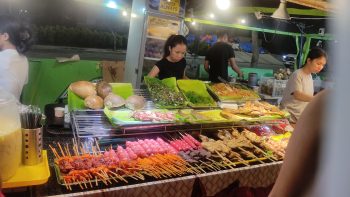
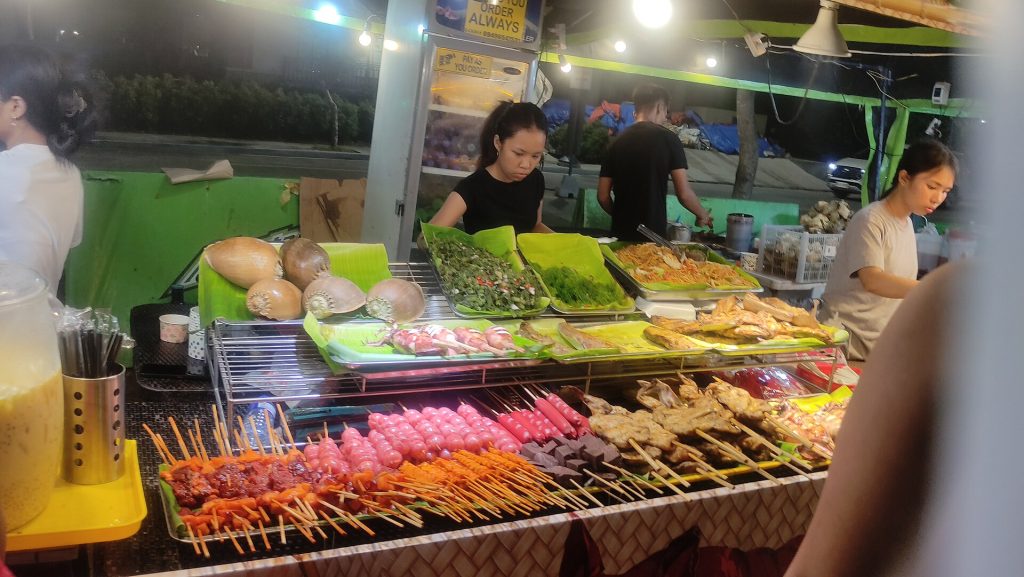
Featured photo: Grilled Skewers and Street Food Stall by MaricrisCPH, BY-SA 4.0.