Most everyday coffee myths fall apart on a closer look. Dark roast doesn’t carry extra caffeine, a single espresso has less caffeine than a regular mug of brewed coffee, moderate coffee drinking doesn’t dehydrate you, and the freezer is a fallback rather than the best place for beans. Freshness, meanwhile, is measured in weeks, not months.
Here we take six common beliefs one at a time, set each against what public-health bodies, the coffee trade and researchers actually say, and finish with a quick reference table. It’s general information for coffee lovers, not medical advice.
Key takeaways
- Roast level doesn’t add caffeine. The National Coffee Association says light roasts have slightly more.
- A 1-ounce espresso shot has about 63 mg of caffeine, against about 96 mg in 8 ounces of brewed coffee.
- A 2014 University of Birmingham study found moderate coffee intake hydrated about as well as water.
- The FDA cites 400 mg a day, roughly two to three 12-ounce cups, as an amount not generally linked to negative effects for healthy adults.
- Buy beans in one- to two-week amounts and grind just before brewing for the freshest cup.
Myth 1: Dark roast has more caffeine
The myth: dark roast tastes stronger, so it must have more caffeine.
The fact: the bold, bitter flavour comes from roasting, not from extra caffeine. The National Coffee Association’s guide to roasts says light roasts have a slightly higher amount of caffeine, and warns not to be fooled by the strong, rich flavour of dark roasts. It also notes that longer roasting drives nearly all the moisture out of the beans, so they weigh less.
That weight change is why the debate never quite dies. Measure by the scoop and a lighter, denser bean packs a little more into the spoon; measure by weight and the gap narrows. Either way, the difference is small. If you want less caffeine, drink a smaller cup or choose decaf rather than picking a darker roast.
Myth 2: Espresso is the strongest way to drink coffee
The myth: espresso is the most caffeinated coffee you can order.
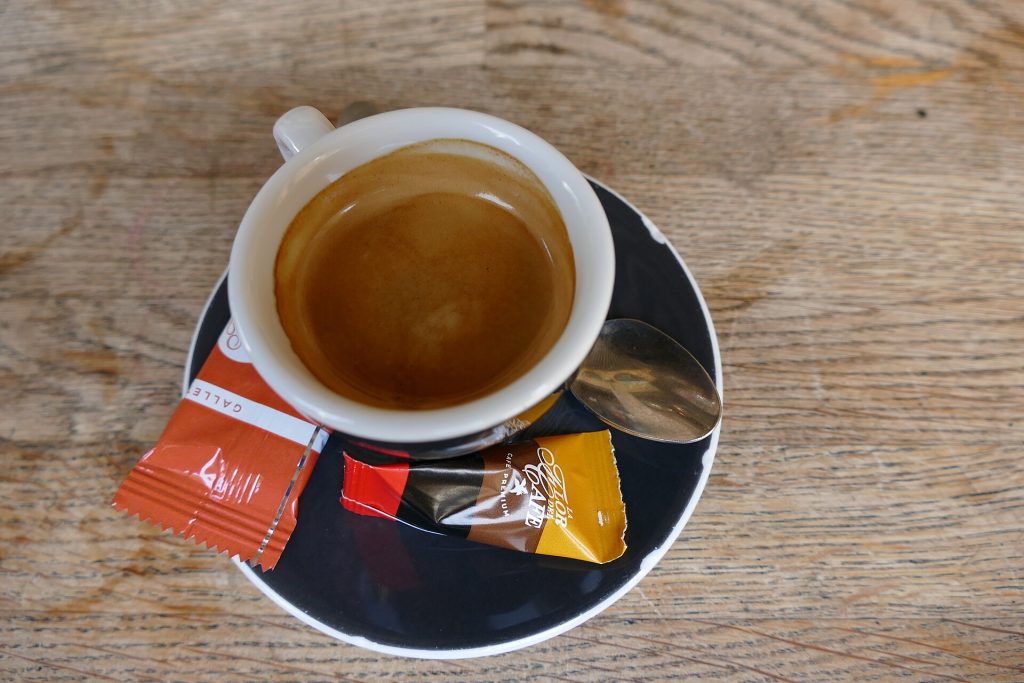
The fact: per ounce, yes. Per serving, usually not. The Mayo Clinic’s caffeine content chart lists about 63 mg in a 1-ounce espresso shot and about 96 mg in an 8-ounce cup of brewed coffee. So a single espresso has less caffeine than a regular mug, even though it tastes more intense.
Serving size is what changes the picture. A double shot roughly doubles the caffeine, and a large café drink may hold more than one shot. Mayo also points out that actual caffeine varies with the beans and how long they’re brewed, so treat any chart as a guide rather than a guarantee.
| Drink | Serving | Approximate caffeine |
|---|---|---|
| Brewed coffee | 8 oz (237 mL) | 96 mg |
| Espresso | 1 oz (30 mL) | 63 mg |
| Instant coffee | 8 oz (237 mL) | 62 mg |
| Decaf brewed coffee | 8 oz (237 mL) | about 1 mg |
| Decaf espresso | 1 oz (30 mL) | about 1 mg |
Figures from the Mayo Clinic chart. The FDA notes that decaf generally contains 2 to 15 mg in an 8-ounce cup, so decaf is lower in caffeine but rarely caffeine-free.
Myth 3: The freezer is the best place for beans
The myth: freezing coffee beans is the best way to keep them fresh.
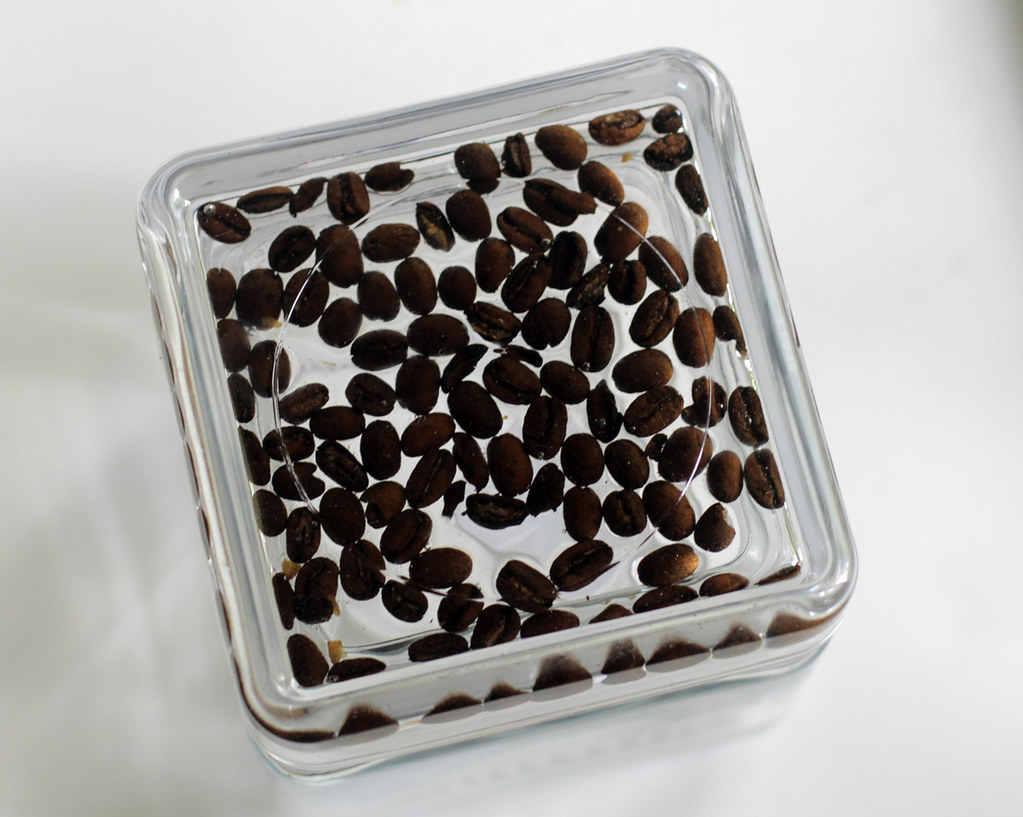
The fact: it’s a trade-off. The National Coffee Association’s storage guide names air, moisture, heat and light as coffee’s enemies, and recommends an opaque, airtight container in a cool, dark place, away from the oven and direct sun. Clear canisters let in light, which can harm flavour.
Freezing isn’t wrong, but the NCA says views differ and that coffee is hygroscopic, meaning it absorbs moisture and odours. It suggests freezing works best in humid climates. If you do freeze, use an airtight container and take out no more than a week’s worth at a time, so you aren’t thawing and refreezing the whole bag.
- Best everyday spot: an opaque, airtight canister in a cupboard.
- Avoid: the counter next to the stove, a sunny window or a clear jar.
- Freezer: for surplus beans only, sealed, and portioned out weekly.
Myth 4: Coffee dehydrates you
The myth: coffee is a diuretic, so it doesn’t count toward your fluids.
The fact: for regular coffee drinkers at moderate amounts, the evidence says otherwise. A 2014 study in PLOS ONE from the University of Birmingham gave 50 men who habitually drank coffee four 200 mL mugs of black coffee a day for three days, and compared it with the same volume of water. The researchers found no significant differences across a wide range of blood and urine markers of hydration.
The Mayo Clinic makes a similar point: the fluid in caffeinated drinks balances the diuretic effect of typical caffeine levels, although very large doses taken at once may increase urine output, especially in people not used to caffeine. Water is still the best choice for hydration, but your morning coffee counts.
Coffee’s reputation for drying you out rests on doses far bigger than a normal cup.
Myth 5: There’s no sensible upper limit
The myth: coffee is harmless, so it doesn’t matter how much you drink.
The fact: there’s a widely used reference point. The FDA’s consumer guidance on caffeine says that for healthy adults, 400 mg a day, about two to three 12-ounce cups of coffee, is an amount not generally associated with negative effects. It also stresses wide variation in how sensitive people are to caffeine and how fast they clear it.
- The FDA advises people who are pregnant, trying to become pregnant or breastfeeding to talk to their healthcare provider about caffeine.
- It notes that rapid consumption of around 1,200 mg, often from concentrated powders, has been linked to toxic effects such as seizures.
- Count caffeine from all sources, including tea, soft drinks and energy drinks, not just coffee.
If you have questions about caffeine and your own health, a doctor or pharmacist is the right person to ask.
Myth 6: Coffee stays fresh as long as the bag is sealed
The myth: as long as the bag is sealed, coffee keeps for months.
The fact: coffee is at its best within weeks of roasting. The NCA’s storage guide gives rough windows: whole beans at room temperature last about one to three weeks at their best, ground coffee about one to two weeks, and frozen beans three to four months. It advises buying only enough for one or two weeks and grinding just before brewing.
A sealed bag slows staling but doesn’t stop it. Look for a roast date rather than a best-before date, and buy smaller bags more often. Your local café or roaster can often tell you when a batch came out of the roaster.
The myths at a glance
| Myth | Fact |
|---|---|
| Dark roast has more caffeine | Light roasts have slightly more; the difference is small |
| Espresso is always the strongest | Stronger per ounce, but a single shot has less caffeine than a mug of brewed coffee |
| The freezer is best | An airtight, opaque container in a cool cupboard is the everyday choice |
| Coffee dehydrates you | Moderate intake hydrates about as well as water in habitual drinkers |
| No sensible limit | The FDA cites 400 mg a day for healthy adults |
| Sealed means fresh | Beans are best within weeks of roasting |
FAQ
Does decaf have any caffeine?
Yes, a little. The FDA says decaf typically contains 2 to 15 mg per 8-ounce cup.
How much caffeine is in a double espresso?
Roughly twice a single shot. Mayo lists a 1-ounce shot at about 63 mg, so a double lands near 126 mg.
Should I store coffee in the fridge?
Generally no. The NCA notes that coffee absorbs moisture and odours, so a cool, dark cupboard is the everyday choice.
Is cold brew stronger?
It depends on the recipe and how much it’s diluted. Ask the café, or check the label on bottled versions.
Try this with your next bag
Buy a small bag with a clear roast date, store it in an opaque airtight container and grind just before brewing. Taste the difference over two weeks and you’ll know how fast your beans fade. For more, browse our lifestyle features, read our guide to finding a great local coffee shop, or explore coffee brewing methods.
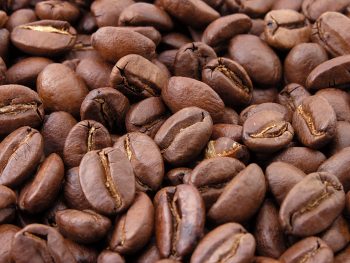
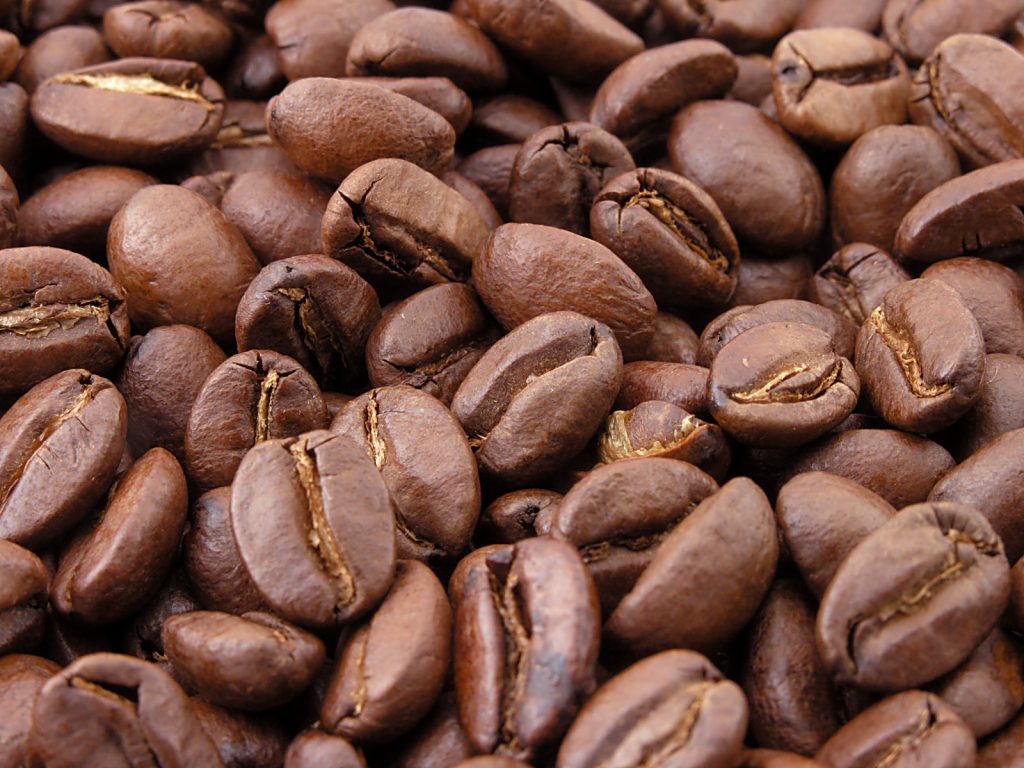
Featured photo: Roasted coffee beans by MarkSweep, CC0.