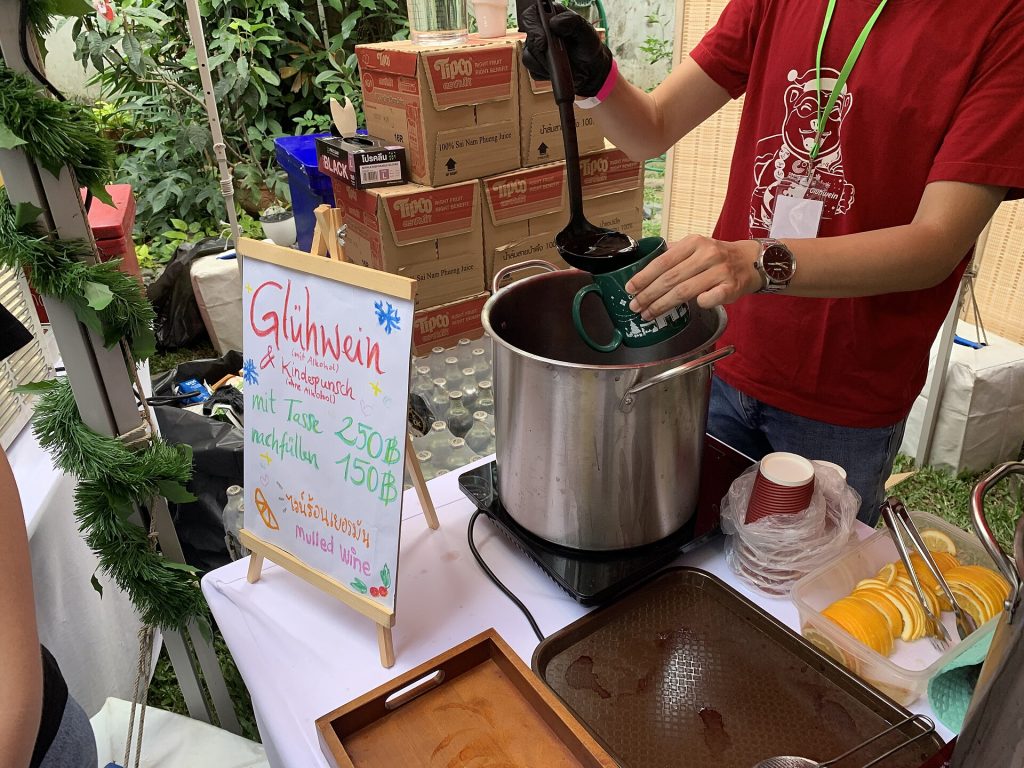
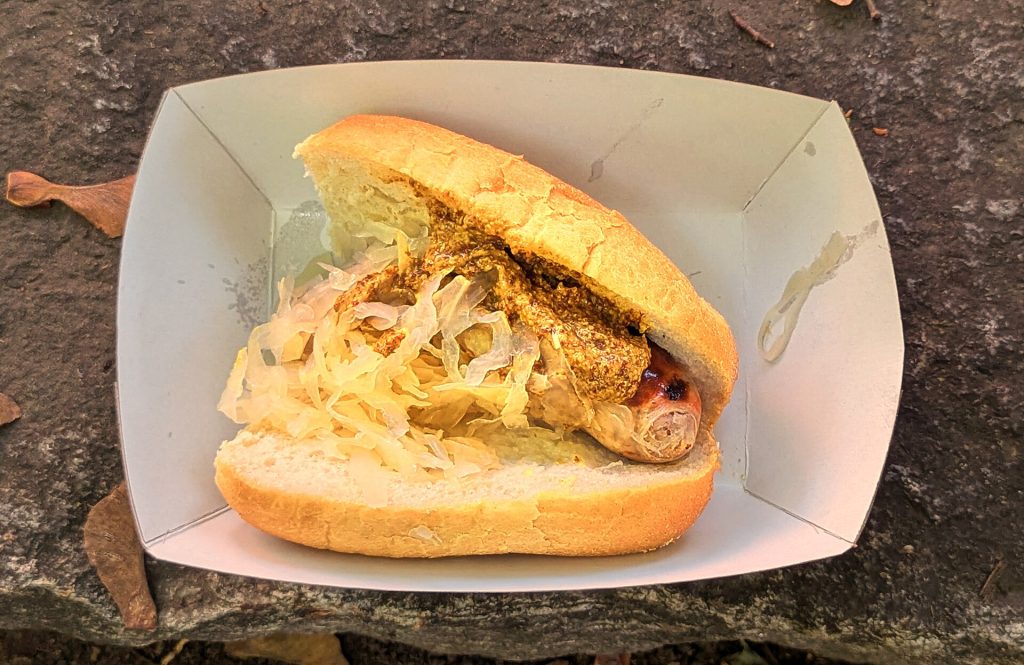
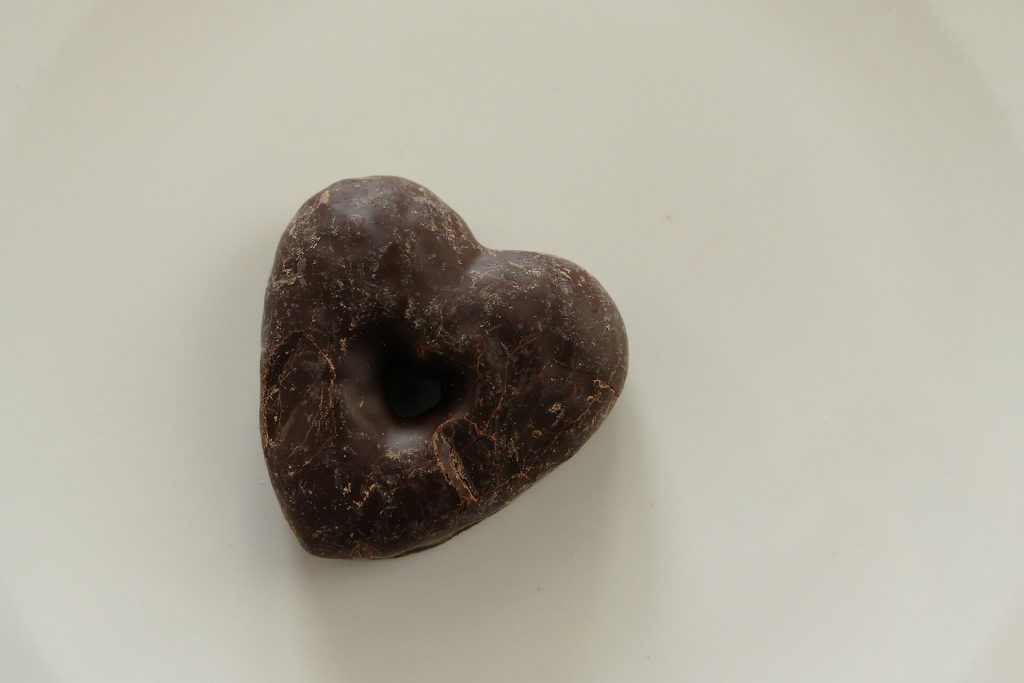
The best way to enjoy Christmas market food is to arrive hungry on a weekday, carry a mix of cash and card, and graze rather than sit down to one big meal. Start with something hot and savoury, like a grilled bratwurst in a roll, then move on to sweets such as gingerbread, and keep your mulled wine mug to return for the deposit when you leave.
That’s the short answer. The longer one depends on which market you visit, because each city has its own specialities and its own calendar.
This how-to walks you through planning a visit, from checking official 2026 dates for three of the best-known markets to handling the mug deposit and choosing edible souvenirs that survive the trip home.
Key takeaways
- Nuremberg’s Christkindlesmarkt runs 27 November to 24 December 2026, Dresden’s Striezelmarkt 25 November to 24 December, and Vienna’s Rathausplatz market 13 November to 26 December.
- All three close early on Christmas Eve, so don’t save your visit for 24 December.
- Weekdays are less crowded than weekends, according to Nuremberg’s tourist office.
- Hot drinks usually come in a mug with a deposit. Return it for your money back, or keep it as a souvenir.
- Each city has signature foods: Nuremberg sausages and Lebkuchen, Dresden Christstollen, Vienna hot punch and roasted almonds.
Step 1: Pick your market and check the 2026 dates
Market seasons differ from city to city, and some start well before Advent. Always check the organiser’s own website, because third-party sites often carry last year’s dates. These three were confirmed on official sites in September 2026.
| Market | City | 2026 dates | Christmas Eve | Taste this |
|---|---|---|---|---|
| Christkindlesmarkt | Nuremberg, Germany | 27 Nov – 24 Dec | Closes 2pm | Rostbratwurst, Lebkuchen, Glühwein |
| Striezelmarkt | Dresden, Germany | 25 Nov – 24 Dec | Closes 2pm | Dresdner Christstollen |
| Wiener Christkindlmarkt | Vienna, Austria (Rathausplatz) | 13 Nov – 26 Dec | Closes 6:30pm | Hot punch, roasted almonds |
Nuremberg
The Nuremberg tourist office describes around 180 wooden stalls with red-and-white striped roofs filling the Hauptmarkt. The market opens with the Christkind reciting a prologue from the balcony of the Church of Our Lady, a good night to be there if you don’t mind a crowd.
Dresden
The Striezelmarkt fills the Altmarkt in Dresden’s old town and bills itself as Germany’s longest-running Christmas market, with more than 200 vendors. Its opening day on 25 November 2026 is an evening-only session, and from 26 November it runs through the day.
Vienna
The Wiener Christkindlmarkt in front of City Hall has the longest season of the three. Vienna has several other markets too, so you can build an evening around more than one.
Step 2: Plan your timing around the crowds
- Go on a weekday. Nuremberg’s tourist office says weekdays are less crowded than weekends.
- Arrive soon after opening if you want to browse stalls properly. Come back after dark for the lights.
- Avoid the last days before Christmas if crowds bother you, and remember the early closing on 24 December.
- Eat at off-peak times. Grab lunch a little before midday, or eat mid-afternoon, to skip the longest queues at the food stalls.
- Dress for standing outside. Most eating happens on your feet at high tables, so warm shoes and gloves matter more than a smart coat.
Step 3: Sort out payment and the mug deposit
Carry both cash and card
Market stalls are small, independent businesses, and payment options vary from one to the next. Don’t assume every stall takes cards. Carry some cash in small notes and coins as a backup, and keep it somewhere easy to reach with gloves on.
How the mug deposit works
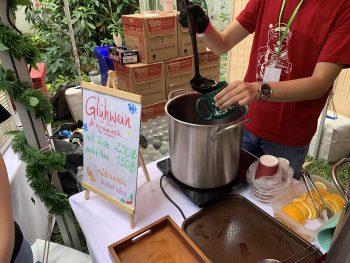
At German and Austrian markets, hot drinks usually come in a ceramic mug, and you pay a deposit, known as Pfand, on top of the drink. Radio Bremen’s explainer on market mugs notes the deposit is typically around 3 euros in Bremen, and that it isn’t a purchase price: it’s an incentive to bring the mug back.
- Order your drink and pay the drink price plus the deposit.
- Keep the mug while you wander, or return it to the same stall or a nearby one from the same operator.
- Hand it back and you’ll get the deposit returned.
- Want to keep it? Ask the stall. Strictly speaking, the Bremen report says, walking off with a mug counts as taking someone else’s property, even if nobody chases it up. Many markets design new mugs each year, so buying one is easy.
Treat the mug deposit as a ticket back to the stall, not as the price of a souvenir.
Step 4: Eat in the right order
Grazing is the whole point. Portions are designed to be eaten standing up, so share and try more. A good sequence runs from savoury to sweet, with a hot drink in between.
1. Start savoury
- Bratwurst. In Nuremberg, try Drei im Weggla, three small Nuremberg Rostbratwurst in a bread roll. The tourist office names it as the local speciality.
- Raclette. Melted cheese scraped over bread or potatoes is a filling, warming choice when you see it on offer.
2. Add a hot drink
- Glühwein. Mulled red wine is the classic, and Nuremberg’s market lists it among its highlights.
- Punch. Vienna’s official city guide describes the smell of hot punch drifting across its markets.
- Non-alcoholic options. Look for hot cocoa or alcohol-free punch if you’re skipping wine.
3. Finish sweet
- Lebkuchen. Nuremberg gingerbread is sold throughout the Christkindlesmarkt.
- Christstollen. Dresden’s Striezelmarkt names its fruit-filled Christmas loaf as a regional speciality.
- Roasted almonds. A paper cone of warm sugared nuts is the easiest sweet to carry around.
Step 5: Take the right things home
Food souvenirs beat most trinkets, provided they travel well. Buy on your last day, ask stallholders how long things keep, and pack anything fragile in the middle of your case, cushioned by clothes. If something needs refrigeration, eat it at the market instead.
- Packaged Lebkuchen and Stollen keep well and pack flat. Buy them on your last day so they stay intact.
- Dresden’s Pflaumentoffel, a small figure made from prunes, is the Striezelmarkt’s lucky-charm souvenir.
- Your mug, if you decide to keep it. Wrap it in a scarf for the flight home.
- Check the rules for bringing food into your home country, especially for meat and dairy products.
FAQ
When do European Christmas markets open in 2026?
It varies. Vienna’s Rathausplatz market opens on 13 November, Dresden’s Striezelmarkt on 25 November and Nuremberg’s Christkindlesmarkt on 27 November. Check each market’s official site.
Can I keep my Glühwein mug?
You’ve paid a deposit, not bought the mug, so the polite route is to return it or ask the stall whether you can keep it.
Do Christmas market stalls take cards?
Some do and some don’t. Carry cash as a backup so you’re never stuck at a stall that can’t take a card.
What is the best time to visit a Christmas market?
A weekday, early in the season. Come back after dark for the lights and avoid the final weekend before Christmas if you dislike crowds.
Your market-day game plan
Pick one market from the table, check its official site for hours, and book somewhere to stay within walking distance. Plan one weekday visit for eating and one evening for the lights, carry a little cash, and save space for Lebkuchen.
For more trip ideas, browse our food travel guides, read about making mulled wine at home and our guide to eating street food on your travels.
Featured photo: Glühwein auf dem deutschen Weihnachtsmarkt 2024, Goethe-Institut Bangkok, Thailand 01 by Chainwit., BY 4.0.