Most cocktail myths come from half-remembered bar lore. Shaking doesn’t bruise gin, it aerates and dilutes the drink. Stirring dilutes too, just more slowly. Water from melting ice is a planned ingredient, not a flaw. And a single cocktail can easily hold more alcohol than one standard drink, even when it tastes mild.
Knowing the facts makes you a better guest at the bar and a better host at home. It also helps you order exactly what you want.
Below, we take the most common myths one at a time and check them against food-science testing, working bartenders and the US National Institute on Alcohol Abuse and Alcoholism (NIAAA).
Key takeaways
- Shaking chills faster and adds air; stirring keeps a drink clear and slightly warmer.
- “Bruised” gin isn’t real. Shaking changes texture and dilution, not the spirit itself.
- There is no chilling without dilution: cocktails are designed to contain a good share of water.
- One US standard drink is about 14 grams of pure alcohol, the amount in 1.5 ounces of 40% spirits.
- Many spirit-forward cocktails contain two ounces or more of spirits, so they count as more than one drink.
Myths about shaking and stirring
Myth: shaking and stirring are interchangeable
Fact: they produce different drinks. America’s Test Kitchen explains that shaking agitates ice and liquid together much faster, reaching about 20°F in around 20 seconds, and fills the drink with tiny air bubbles for a frothy texture. Stirring is gentler. Its tests found 30 seconds of stirring reached 28°F with about 25 percent added water, while 90 seconds reached 24°F at around 32 percent.
That’s why bartenders shake drinks with citrus, cream or egg, which benefit from froth, and stir spirit-forward drinks such as the Martini, Manhattan and Negroni, which keep their clarity and silky texture.
Myth: shaking a Martini bruises the gin
Fact: nothing is bruised. Speaking to VinePair, bar director Grant Sceney calls “bruising” an incorrect term. Shaking adds air and extra dilution, which can make a gin’s subtler flavours harder to pick out. The spirit itself isn’t damaged. He suggests the myth may date from a time when gin and ice were both less consistent in quality.
So if you like a shaken Martini, order it shaken. Expect it to be a little cloudier, colder and more diluted than a stirred one.
Myth: the longer you shake, the colder it gets
Fact: only up to a point. In testing published on Cooking Issues, Dave Arnold’s cocktail-science research, drinks reached close to their final temperature within about 12 seconds of hard shaking. After roughly 10 to 12 seconds, extra shaking added less than two degrees of cooling.
Myths about ice and water
Myth: water ruins a cocktail
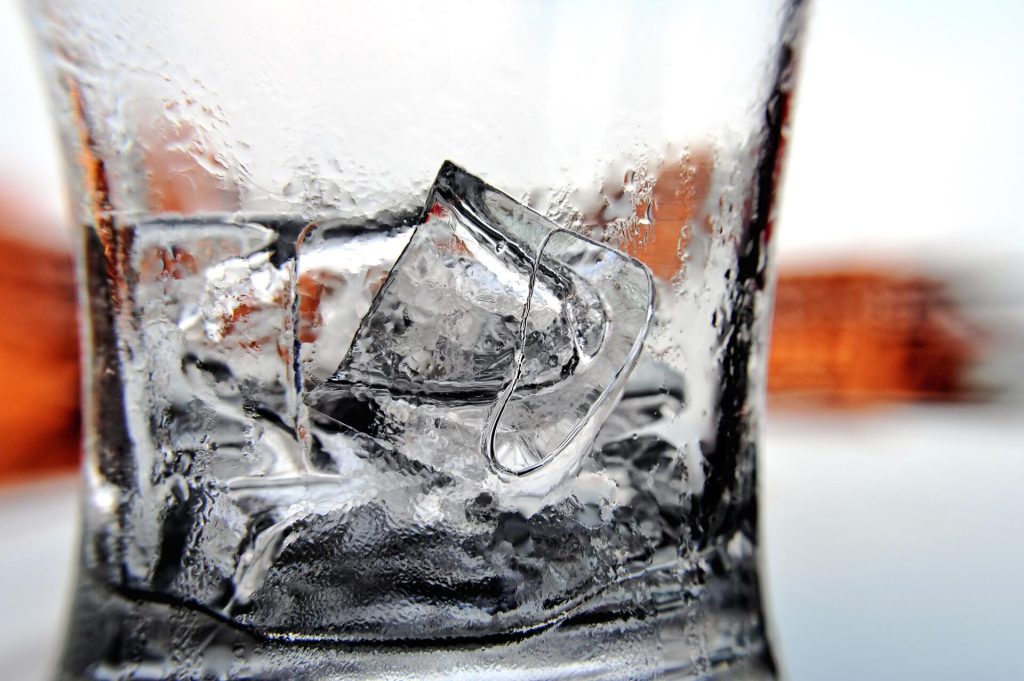
Fact: water is part of the recipe. America’s Test Kitchen notes cocktails are designed to contain roughly 25 to 35 percent water from melting ice. Without it, a drink tastes hot, harsh and unbalanced. The Cooking Issues tests put it bluntly: there is no chilling without dilution, because in a bar setting all the cooling comes from ice melting.
Every cold cocktail is partly water, and the good ones are built that way on purpose.
Myth: big, fancy ice always means less dilution
Fact: it depends on how the ice is used. In the Cooking Issues shaking tests, standard cubes and larger cubes produced almost the same temperature and dilution curves. Once ice and liquid are thrashing around a shaker, cube size barely matters. The real rule is to use plenty of fresh, dry ice. Where large cubes do make sense is in the glass, in a drink served on the rocks and sipped slowly.
Myth: a warm drink just needs more shaking
Fact: a warm drink usually means too little ice or old, wet ice in the tin. Fill the shaker well, shake hard for around 10 to 15 seconds and serve straight away.
Myths about strength
Myth: a cocktail is one drink
Fact: often it’s more. The NIAAA’s guide to what counts as a standard drink says one US standard drink contains about 14 grams, or 0.6 fluid ounces, of pure alcohol. That’s the amount in a 12-ounce beer at 5 percent, a 5-ounce glass of wine at 12 percent or a 1.5-ounce shot of 40 percent spirits.
Now do the arithmetic on a spirit-forward recipe. A Martini made with 3 ounces of 40 percent gin holds twice the spirits of a single 1.5-ounce shot, so it’s about two standard drinks before you count the vermouth. Add a liqueur, a fortified wine or a second spirit and the total climbs further.
Myth: a drink that doesn’t taste strong isn’t strong
Fact: sugar, citrus, cream and proper dilution all soften the burn of alcohol, which is exactly what a well-made cocktail is meant to do. Taste tells you about balance, not alcohol content. Check the recipe, or ask the bartender how much spirit goes in.
Our bar hopping checklist covers pacing a night out.
Myths about rims and glasses
Myth: every Margarita needs a full salt or sugar rim
Fact: a rim is a seasoning, and it affects every sip. Many bartenders will rim only half the glass on request, which lets you choose sip by sip. At home, apply the rim to the outside edge only, so it doesn’t fall into the drink.
Myth: a Martini has to go in a V-shaped glass
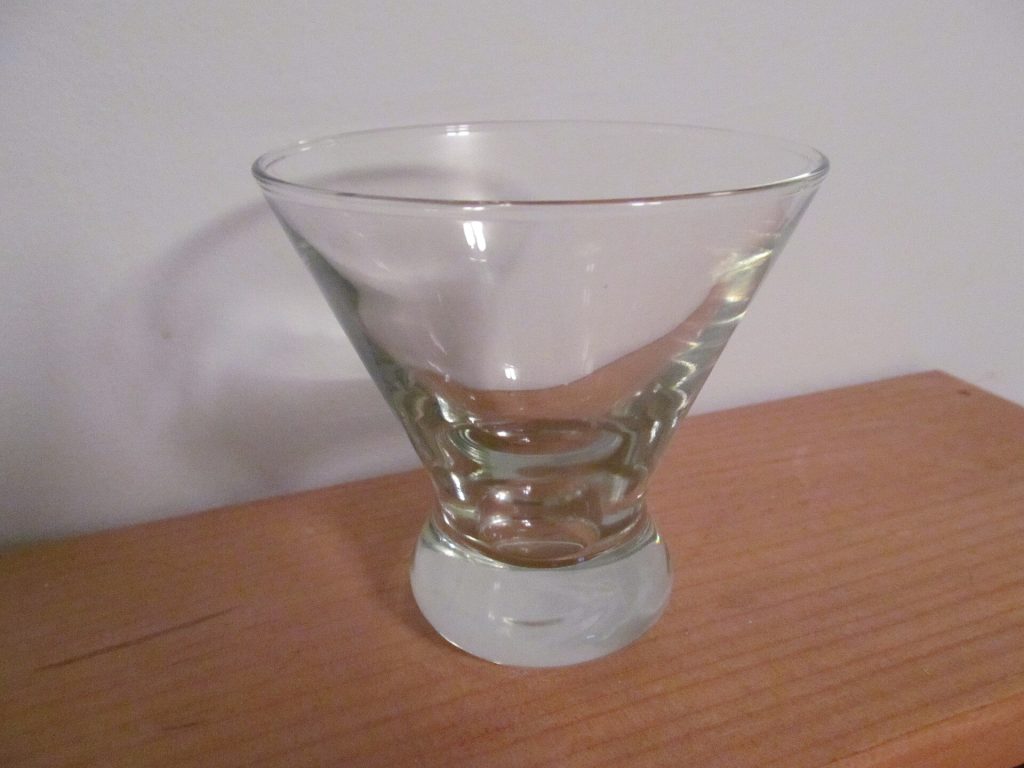
Fact: the drink doesn’t care about the shape. What matters is that the glass is chilled and has a stem, so your hand isn’t warming the drink. A smaller coupe or Nick and Nora glass is easier to carry without spilling and holds a serving you can finish while it’s still cold.
Every myth at a glance
| Myth | Fact |
|---|---|
| Shaking and stirring do the same job | Shaking chills faster and adds air; stirring keeps a drink clear |
| Shaking bruises gin | It adds air and dilution; the spirit isn’t damaged |
| Shake longer for a colder drink | Most chilling happens in the first 10 to 12 seconds |
| Water ruins a cocktail | Cocktails are designed to be roughly 25 to 35 percent water |
| Big ice always means less dilution | In a shaker, cube size barely changes the result |
| A cocktail equals one drink | Many hold two or more US standard drinks |
| Mild taste means low alcohol | Sugar, citrus and dilution mask strength |
| A Martini needs a V glass | Any chilled, stemmed glass works |
For more on ordering well, browse our bars and nightlife guides or find a cocktail bar near you in our restaurant directory.
FAQ
Why are some cocktails shaken and others stirred?
Drinks with citrus, cream or egg are shaken for froth and fast chilling. Spirit-only drinks such as the Martini and Manhattan are stirred to keep them clear and silky.
Does shaking really bruise gin?
No. Shaking adds air and dilution, which can mute subtle flavours, but it doesn’t damage the gin.
How many standard drinks are in a cocktail?
It depends on the recipe. One US standard drink is about 1.5 ounces of 40 percent spirits, according to NIAAA, so a cocktail with 3 ounces of spirits is about two.
How long should I shake a cocktail?
Around 10 to 15 seconds of hard shaking with plenty of ice. Testing shows little extra cooling after about 12 seconds.
Put it to the test at home
Make the same drink twice, one shaken and one stirred, and taste them side by side. Notice the difference in temperature, texture and clarity. Then measure your pours with a jigger for a week, and count what’s in the glass in standard drinks.
Next, read our guide to finding a great cocktail bar.
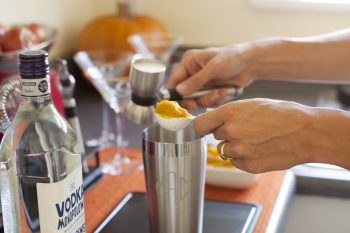
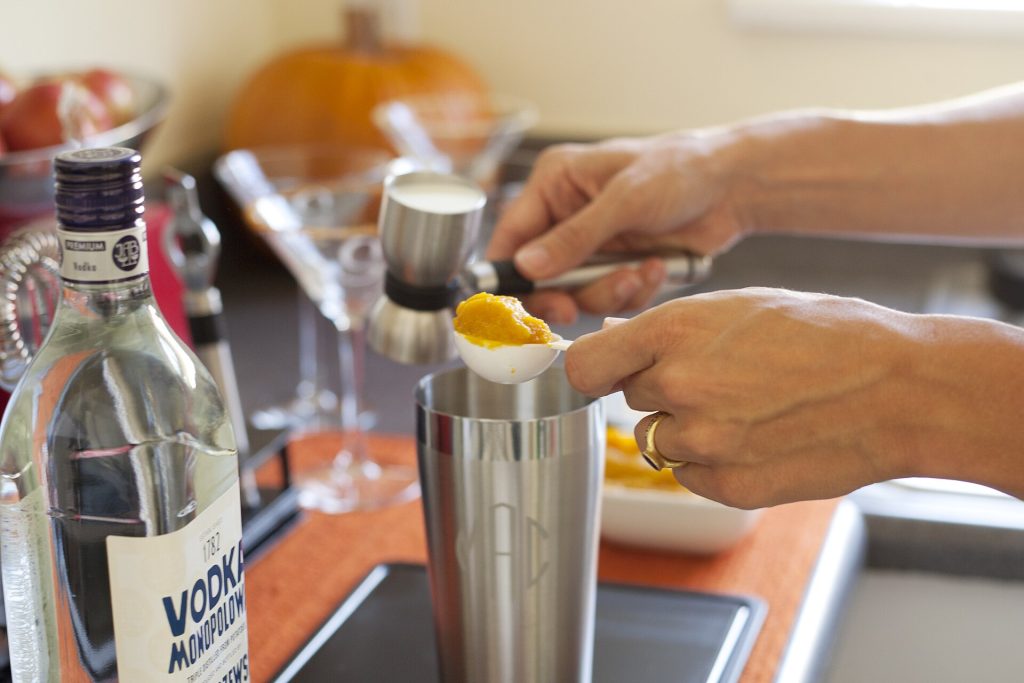
Featured photo: Cocktail shaker and vodka (15047347353) by Personal Creations, BY 2.0.