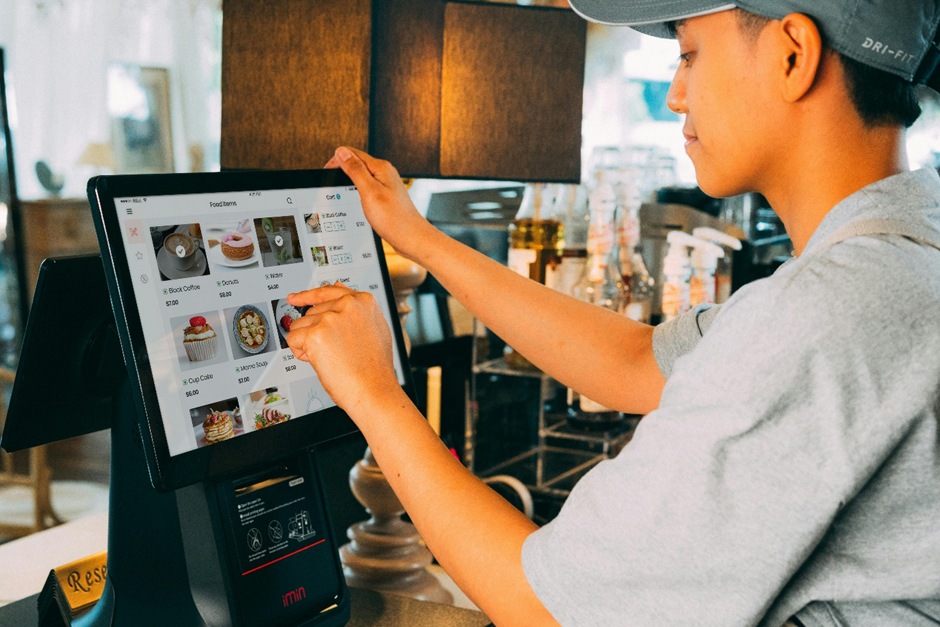
The growing need for convenience and style has pushed restaurants to seek innovative ways to improve their guest experience. One result of this change is the use of interactive digital menus. Unlike the old lists on paper, many restaurants now use screens and online menus that show more than just prices. Here is how these menus are changing the way people experience food even before it reaches the table.
1. Clear Ingredient Details Improve Trust and Confidence
Many people care more about what they eat. That is especially true for those with special dietary needs and personal food values. All these are crucial in menu composition, forcing restaurants to pay close attention to each order. Interactive digital menus make it easy for food joint managers to handle every diner’s needs. That is because they give all essential details about each serving, which include ingredients and allergen warnings.
This openness builds trust and confidence. People are more relaxed when they know what to expect from their orders. Digital menus also reduce mistakes. For instance, guests are less likely to order something they cannot eat. That means they do not have to spend time asking questions or cancelling orders. This gives staff more time to improve customer experience and less time explaining basics. In the end, restaurants will record more return guests and increased profit margins.
2. Storytelling Turns Dishes into Experiences
Digital menus give restaurants space to tell their stories. A dish can include notes about where ingredients come from or why it matters to the chef. Guests can also leave testimonies about their favorite food and why they love a particular restaurant. Such stories add depth to each item and help diners connect directly with menus. This encourages people to try new offerings.
A report shows that almost 76% of customers prefer restaurants that use technology in their operations. That makes interactive digital menus an Important Features Restaurant Websites Should Include in 2026.
For instance, including key sections, search and filter options allows customers to quickly find specific dishes that match their nutritional needs. This creates a personalized experience and helps diners make informed food decisions.
3. Improving Accessibility and Comfort for All Diners
Gone are the days when customers had to read through faded lists. Digital menus solve the accessibility issue with high-resolution displays with adjustable text size and brightness. Others have extras like text-to-speech and translation functionalities. These minor changes enable restaurants to serve more customers. They also give guests privacy by allowing them to browse at their own speed.
Accessibility also means clarity. Clear layouts and simple navigation tools help guests and first-time visitors find what they want easily. Features like screen readers can also benefit people with visual disabilities. This comfort leads to longer stays, better reviews, and increased respect. When restaurants design menus and websites with everyone in mind, diners will always remember how they felt.
Endnote
Interactive digital menus are not about replacing human service. They support customers by offering clear information, meaningful stories, and better accessibility. That comfort makes dining smoother and builds customer trust. Using innovative ordering tools also boosts sales and offers a compelling value proposition for restaurants.