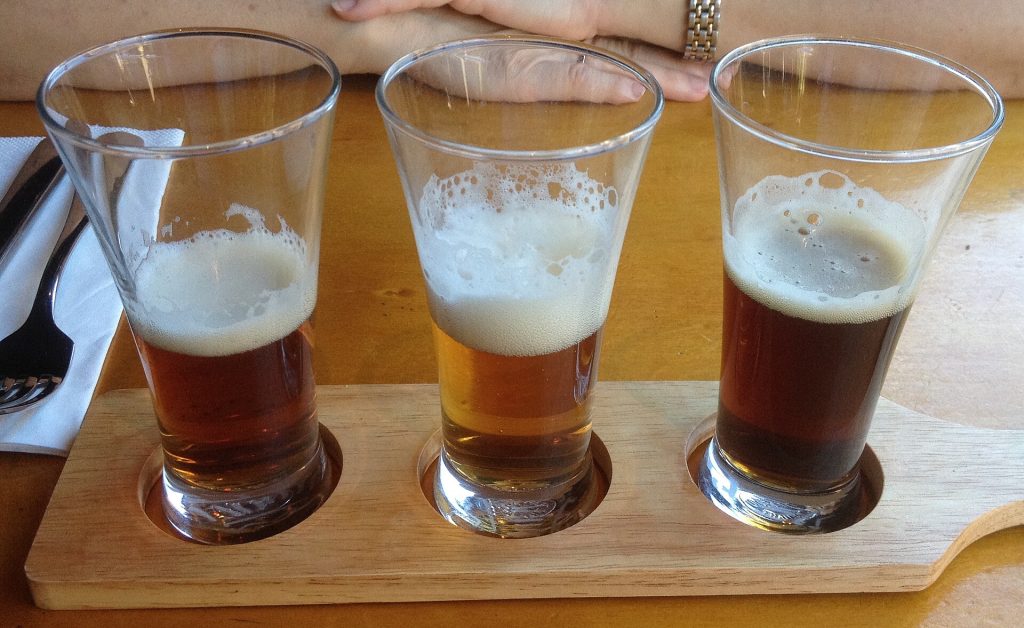
To learn how to taste beer like a judge, follow the order judges use: smell it first, then look at it, then taste it, then notice how it feels in your mouth, and finally sum it up against what the style is supposed to be. Serve it in a clean glass at the right temperature and write down what you find.
That order matters. Aroma fades fast once a beer is poured, so judges catch it before anything else. Everything else follows a consistent routine, which is what turns drinking into tasting.
This how-to walks through the setup, the five steps, the most common off-flavours and how to use the Beer Judge Certification Program’s style guidelines as your reference.
Key takeaways
- Judges evaluate in a fixed order: aroma, appearance, flavour, mouthfeel, then overall impression.
- Smell the beer immediately after pouring, before the aromatics fade.
- A beer-clean glass and a sensible serving temperature make flavours easier to find.
- Learn the common off-flavours, from buttery diacetyl to skunky lightstruck beer.
- Use small pours and count standard drinks: a 12-ounce beer at 10% alcohol is two.
Set up like a judge
Good tasting starts before the beer is opened. Two things change what you perceive more than anything else: the glass and the temperature.
A beer-clean glass
The Brewers Association’s homebrewing arm describes a beer-clean glass as free of visible soil and marks and of foam-killing residues or lingering aromas such as sanitiser. A dirty glass flattens the head and adds smells that aren’t in the beer. Use a clear glass with some room above the beer, so aroma can collect and you can see colour and clarity.
The right temperature
Cold numbs flavour. The Brewers Association advises retailers that cold masks flavours, that 45 to 50°F is very common for many styles, and that stronger beers are generally served warmer. If a beer comes straight from a very cold fridge, let it sit for a few minutes and notice how the aroma opens up as it warms.
A neutral space
- Taste away from cooking smells, candles and strong perfume.
- Have plain water and plain crackers on hand to reset your palate between beers.
- Taste lighter, lower-alcohol beers before stronger or more intensely flavoured ones.
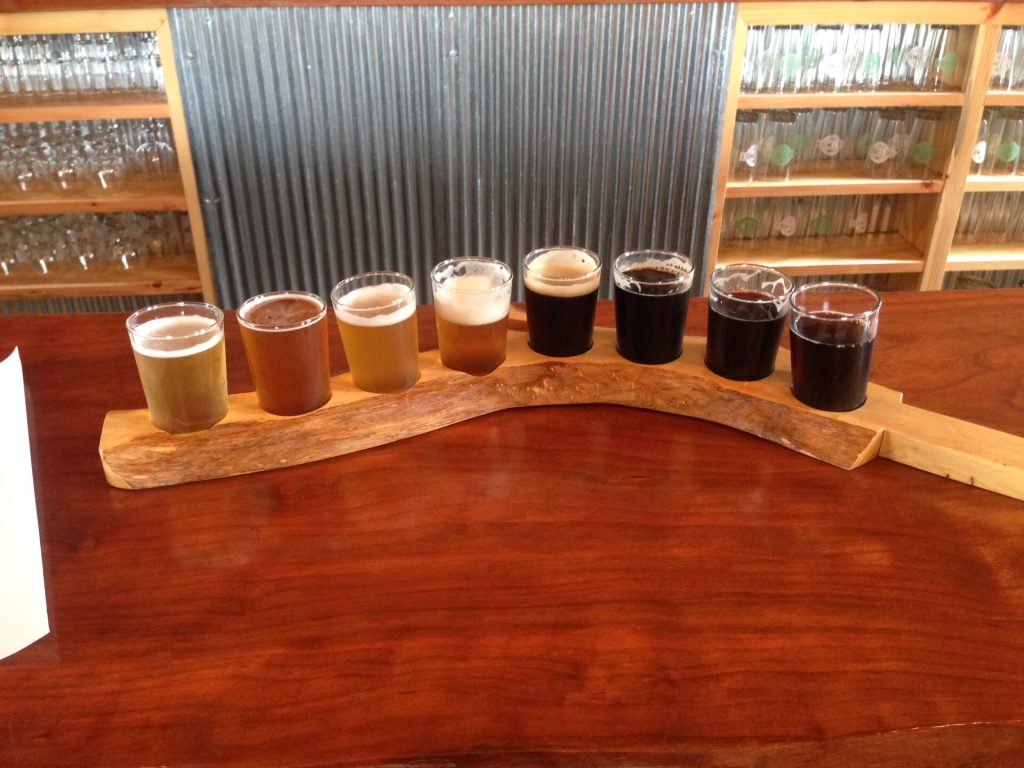
The five-step tasting method
The BJCP’s guide to judging beer sets out the order most judges use. Follow it every time, and your notes become comparable from beer to beer.
- Aroma. Sniff immediately after pouring to capture the aromatics. The BJCP says to use long, deep sniffs or short, shallow ones, whichever works for you, but to be consistent across every beer. Look for malt (bread, caramel, toast, roast), hops (citrus, pine, floral, earthy) and fermentation character (fruity esters, spicy notes).
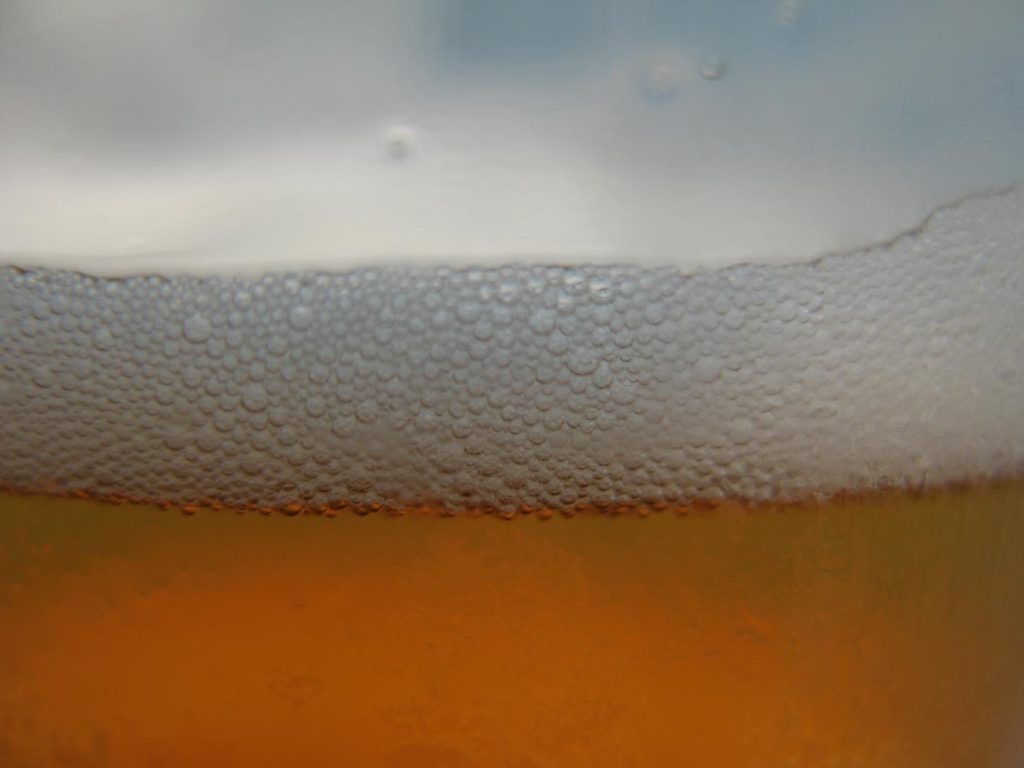
- Appearance. Hold the glass against a light background. Name the colour specifically, such as golden or amber, note the clarity from clear to cloudy, and describe the head: its colour, bubble size and how long it lasts.
- Flavour. Take a proper mouthful and let it cover your whole tongue. Assess malt, hops and fermentation character, then the balance between them, the finish and the aftertaste. Note anything that seems wrong, such as oxidation or unexpected sourness.
- Mouthfeel. Focus on texture rather than taste: body from thin to full, carbonation level, alcoholic warmth, astringency and any other sensations.
- Overall impression. Step back and sum it up. How enjoyable is it, and how well does it match the style it claims to be?
Don’t rush it. The BJCP says an experienced judge should be able to complete an evaluation in about ten minutes, which is a useful pace for a beginner to aim at, not beat.
Smell first, sip second: the aroma leaves the glass faster than the beer does.
Spotting off-flavours
Part of judging is recognising faults. The American Homebrewers Association lists six common off-flavours and how they come across. Learn the descriptors and you’ll start spotting them in beers you used to just call a bit off.
| Off-flavour | What you notice | Typical cause |
|---|---|---|
| Oxidation | Wet cardboard, sherry, musty | Exposure to oxygen during storage or handling |
| Lightstruck | Skunky, sulfur | Light, especially UV, hitting the beer |
| DMS (dimethyl sulfide) | Creamed corn, cooked vegetables | Issues during the brewing or cooling process |
| Diacetyl | Buttered popcorn, butterscotch | Yeast not fully cleaning it up during fermentation |
| Acetaldehyde | Green apple, fruity, solvent | Fermentation too hot or finished too quickly |
| Chlorophenol | Band-Aid, mouthwash, medicinal | Chlorine in brewing water or on equipment |
Before you call something a fault, check what the style is meant to taste like. That is exactly what the style guidelines are for.
Using the style guidelines as your reference
The BJCP Style Guidelines are an international reference for describing, evaluating and categorising beer, mead and cider. They give judges, brewers and competition organisers a common vocabulary, and each style entry covers the overall impression, aroma, appearance, flavour and mouthfeel, along with history and ingredients.
The guidelines focus on sensory outcomes rather than strict recipes, and encourage judges to make informed judgements rather than tick boxes. For a home taster, that makes them a perfect answer key: taste first, write your notes, then read the style description and see how close you came.
How judges score
On the BJCP scoresheet, beers are scored out of 50 and the totals map onto broad bands:
- 45 to 50, Outstanding: a world-class example of the style.
- 38 to 44, Excellent: exemplifies the style well, needs minor fine-tuning.
- 30 to 37, Very good: generally within style, minor flaws.
- 21 to 29, Good: misses the mark on style or has moderate flaws.
- 14 to 20, Fair: off-flavours or major style problems.
- 0 to 13, Problematic: major off-flavours and aromas dominate.
Taking notes that actually help
Notes are what turn a pleasant evening into practice. Keep them short and structured so you can compare beers weeks apart.
- Record the basics: the beer, its stated style, its strength and the serving temperature if you know it.
- Use the five headings: aroma, appearance, flavour, mouthfeel, overall.
- Be specific: write toast, caramel or grapefruit rather than malty or hoppy.
- Separate what you like from what’s right: a beer can be well made and still not your favourite.
- Give it a score: use the 50-point bands above, even if you are rough at first.
Tasting responsibly
Tasting is about attention, not volume. Judges work through small samples, and you should too. According to the National Institute on Alcohol Abuse and Alcoholism, one US standard drink holds about 14 grams of pure alcohol, which is what you get in a 12-ounce beer at 5% alcohol. A 12-ounce beer at 10% holds two standard drinks.
- Pour 2 to 3 ounce samples and share bottles among the group.
- Drink water between beers and eat something before and during the session.
- Use a spit cup or tip out the rest once you have your notes.
- Arrange transport home before you start.
FAQ
What order should I taste beer in?
Aroma, appearance, flavour, mouthfeel and overall impression. Smell first, straight after pouring, because aroma fades quickly.
What temperature should beer be served at for tasting?
It depends on the style, but very cold beer masks flavour. The Brewers Association says 45 to 50°F is very common for many styles, with stronger beers served warmer.
What does a buttery taste in beer mean?
A buttered popcorn or butterscotch note usually points to diacetyl, a fermentation by-product the yeast did not fully clean up.
Do I need to be certified to use the BJCP guidelines?
No. The guidelines are published openly and double as educational material for anyone learning about beer styles.
Run your first judged flight
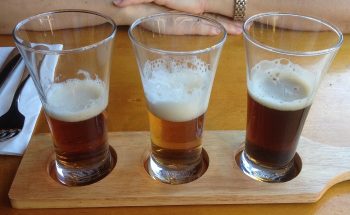
Pick three beers of one style, pour small samples into clean glasses, and taste them in order using the five steps. Write your notes and scores before you read the style description, then compare. Repeat with a new style next week and your palate will sharpen quickly.
For more, browse our bars and nightlife guides, read our guide to understanding beer styles and our tips on getting more from a brewery tour, or find a taproom in our restaurant directory.
Featured photo: Story Bridge Hotel 06 by Kgbo, BY-SA 4.0.