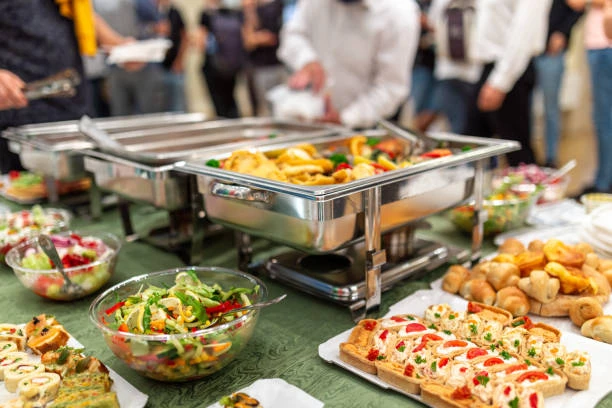
The Early Start Behind Smooth Meal Service
Modern meal operations look easy from the outside, but the real work begins long before diners arrive. Prep teams show up early, review inventory, and confirm that ingredients match the day’s menu. They adjust quickly when supplies change, swapping ingredients or modifying recipes without affecting taste or consistency. This reliability is one of the biggest strengths supported by corporate food service companies, whose systems help teams stay organized even when the unexpected happens.
Kitchen Workflow That Keeps Everything on Track
A smooth service depends on a kitchen that runs with purpose. Stations are set up with intention, timing is coordinated, and responsibilities are clearly divided. Line cooks handle fast execution, while prep cooks focus on bulk tasks that support peak periods. When every person knows their role, the entire kitchen moves as a single unit. Many corporate food service companies emphasize this structure because it removes friction and ensures meals look and taste the same every day.
Timing and Rhythm During Peak Hours
When service starts, everything shifts into a tighter rhythm. Breakfast hums with fast turnaround. Lunch brings higher volume and more customization. Dinner depends on pacing and consistency. Teams stay alert, communicating constantly to keep the flow steady. They monitor meal counts in real time and adjust production levels on the fly. The goal is simple: prevent bottlenecks before they happen. This kind of anticipation is a key skill in environments supported by corporate food service companies, where efficiency is just as important as quality.
Front-of-House Operations That Shape the Experience
A diner’s experience isn’t shaped only by the food. Front-of-house staff manage traffic flow, cleanliness, restocking, and service speed. They watch patterns, noticing when guests cluster, which items run out first, and where lines start to form. This information flows back to the kitchen instantly, helping teams plan faster refills or change the pace of production. Clean stations, organized seating, and visible staff support also reduce stress for guests, making mealtimes feel easy even during busy rushes. Efficient logistics are essential not only in the food service industry but also in other sectors that depend on organized transportation, and services like https://www.shiply.com/us/furniture-shipping/new-york-furniture-shipping demonstrate how coordinated shipping solutions help move large items reliably across different locations.
Technology That Improves Daily Operations
Modern food service teams depend heavily on practical tools. Digital ordering systems reduce errors and speed up ticket times. Inventory platforms help forecast demand based on past data. Temperature monitors ensure food stays within safety standards. These tools work quietly in the background but create a major impact on daily efficiency. Many corporate food service companies implement these technologies to help teams operate predictably, minimize waste, and respond faster to changes.
Communication That Keeps Everyone in Sync
No food service environment works without clear communication. Teams call out timing, portions, and substitutions. Managers monitor rush patterns, resolve issues, and realign staff as needed. Back-of-house and front-of-house stay in constant contact to keep everything balanced. Whether it’s adjusting a batch size or responding to a sudden rush, communication is what keeps the entire operation cohesive.
Training That Builds Reliable Teams
Smooth operations depend on people who know their jobs well. New staff receive hands-on training, from safe food handling to station setup to customer interaction. Experienced workers mentor new hires, reinforcing routines that keep the workflow stable. Corporate food service companies often support this through clear guidelines and training programs that make onboarding faster and more consistent.
The Importance of Cleanliness and Safety
Clean kitchens don’t happen by accident. Teams follow strict cleaning cycles throughout the day, wiping surfaces, changing gloves, and sanitizing tools between tasks. Food temperatures are tracked closely. Equipment is inspected before use. These routines are ingrained into the daily workflow because safety affects everything: quality, reputation, and trust. Strong support from corporate food service companies helps keep these standards consistent across all locations they manage.
Adapting to Diners’ Changing Needs
Modern diners expect speed, clarity, and dietary options. Food service teams respond by adjusting portion sizes, offering customization, and refining menus based on feedback. They monitor traffic trends, note which stations draw the most attention, and identify where improvements are needed. Adaptation is a constant process, and it’s one that many corporate food service companies have built into their operations to keep mealtimes predictable and enjoyable.
How Consistency Creates a Better Dining Experience
Behind every smooth meal service is a team working hard to keep the experience stable. It’s the small, repeated actions that make the biggest difference: organized prep work, clean stations, steady communication, and a predictable flow from kitchen to service line. When all these pieces line up, diners get a seamless experience that feels effortless.
Across workplaces, schools, and healthcare facilities, today’s food service teams rely on structure, timing, and responsiveness to meet daily demand. Their success is powered by the systems, training, and operational support provided by corporate food service companies, which help ensure every mealtime runs efficiently from start to finish.