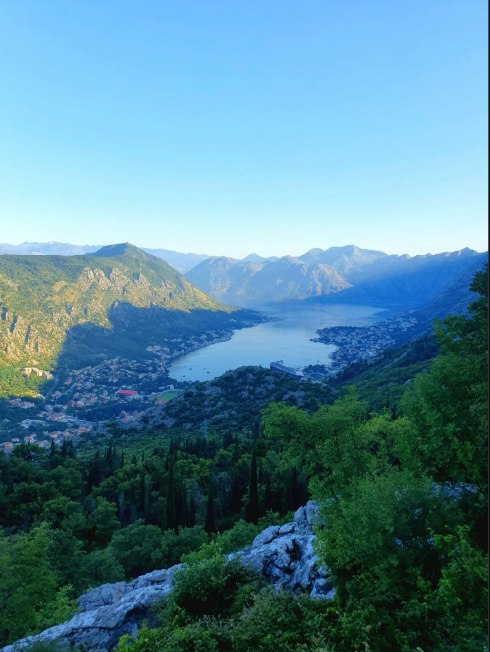
Montenegro may look small on the map, but its food changes noticeably as you travel from the Adriatic coast to the central plains and northern mountains. A single trip can include fresh seafood beside the Bay of Kotor, smoked meat and cheese in Njeguši, lake fish near Skadar, and a filling plate of kačamak in a mountain village.
The best way to experience this variety is to build meals into your route rather than treating restaurants as an afterthought. Travelers who would rather avoid coordinating buses, parking, and unfamiliar mountain roads can arrange transportation through taxi-moments.com/montenegro and plan stops around the places they genuinely want to taste.
This Montenegro food guide explains what to order, where different dishes come from, and how to create a simple culinary journey without rushing from one tourist attraction to another.
“In Montenegro, a memorable meal is often shaped as much by the road, landscape, and host as by the food on the plate.”
Why Montenegro Is an Interesting Food Destination
Montenegrin cuisine sits between several culinary traditions. Along the coast, meals reflect the Mediterranean landscape, with fish, seafood, olive oil, lemon, garlic, parsley, and seasonal vegetables appearing frequently. Inland, the cooking becomes richer and more rustic, with smoked meat, cheese, potatoes, cornmeal, dairy products, and slow-cooked dishes.
The country’s official tourism resources divide its food culture into coastal, central, lake, and mountain traditions. Local cheeses, lamb, freshwater fish, cured meat, herbs, and vegetables all play important roles, but their preparation varies considerably by region.
That regional variety makes Montenegro especially suitable for a food-focused road trip. You do not need a long itinerary. Even three or four well-chosen stops can show how dramatically the menu changes over a relatively short distance.
Montenegro Food by Region
| Region | Foods to Look For | Best Type of Stop |
|---|---|---|
| Bay of Kotor | Fish soup, grilled squid, octopus salad, seafood risotto | Waterfront restaurant or small Old Town konoba |
| Budva and the coast | Grilled fish, seasonal salads, seafood pasta | Family-run restaurant away from the busiest promenade |
| Njeguši and Cetinje area | Njeguški pršut, local cheese, homemade bread | Village household or traditional roadside tavern |
| Skadar Lake | Carp, eel, trout, lake fish dishes | Lakeside restaurant or rural household |
| Northern mountains | Kačamak, lamb, potatoes, kajmak, dishes prepared under a sač | Mountain lodge or traditional restaurant |
| Podgorica and central Montenegro | Grilled meats, pastries, vegetables, mixed regional dishes | Local lunch restaurant or market-area eatery |
Start with Seafood on the Bay of Kotor
Kotor is one of the most popular places to begin a Montenegro trip, and its restaurants provide an accessible introduction to coastal cuisine.
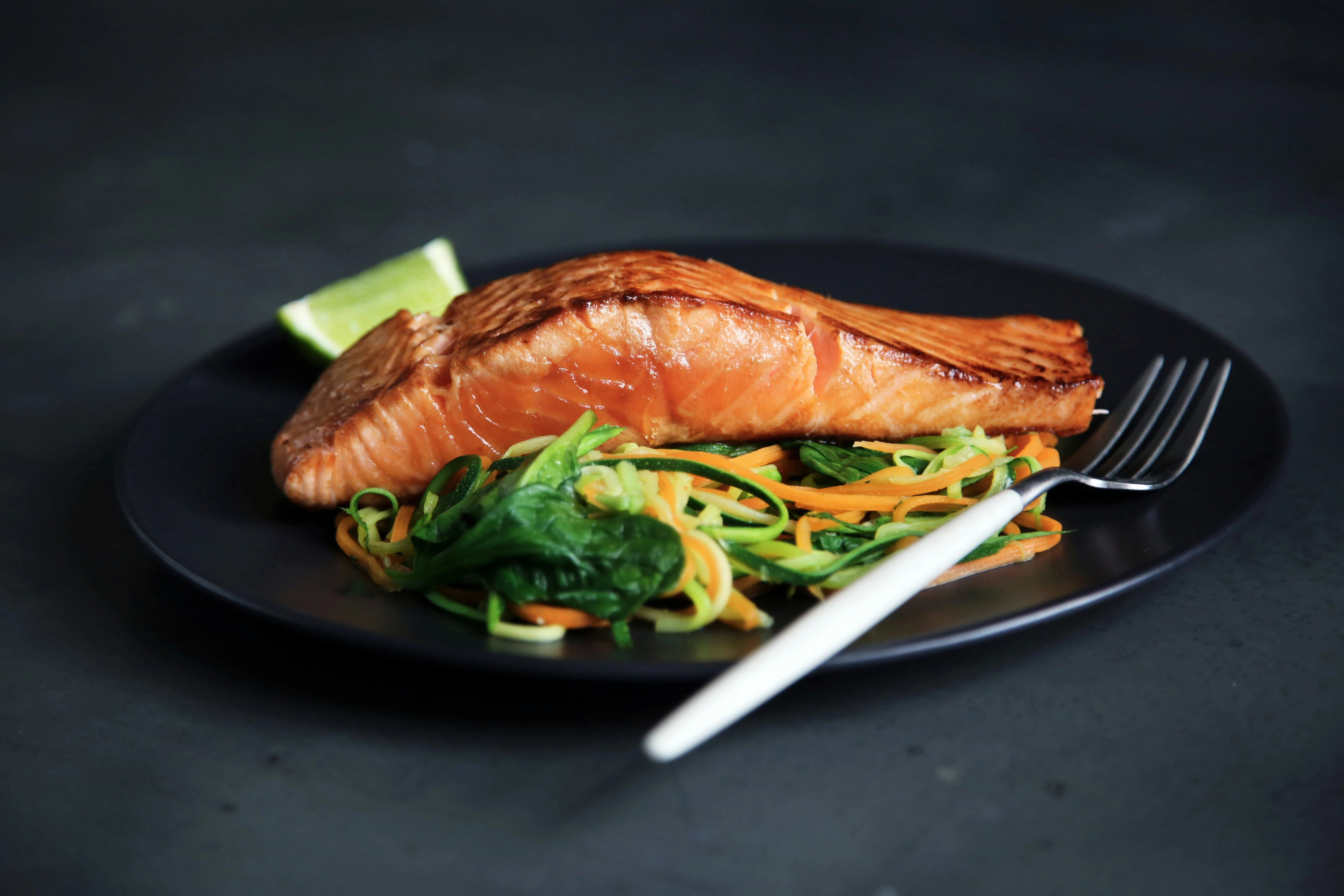
Menus commonly include fish soup, octopus salad, grilled squid, shellfish, seafood risotto, and locally caught fish. Lemon, rosemary, parsley, basil, garlic, and olive oil are frequently used to keep the flavors fresh rather than overly heavy. Kotor is also known for regional pasta dishes, including local-style gnocchi.
The most scenic restaurant is not automatically the best one. Establishments directly beside major squares and cruise-ship routes may focus more on fast turnover than careful cooking. Walk a few streets away from the busiest parts of the Old Town or look for a small konoba—a traditional tavern-style restaurant—with a concise menu.
Useful questions to ask include:
- Which fish is fresh today?
- Is the portion intended for one person or for sharing?
- Does the price refer to one serving or to the weight of the fish?
- Which side dish is normally served with it?
Checking the price structure is particularly important when ordering whole fish, as it may be priced by weight.
Try Njeguški Pršut and Cheese Inland
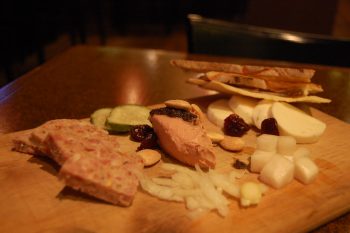
A short journey inland introduces one of Montenegro’s most recognizable food combinations: thinly sliced Njeguški pršut served with local cheese and bread.
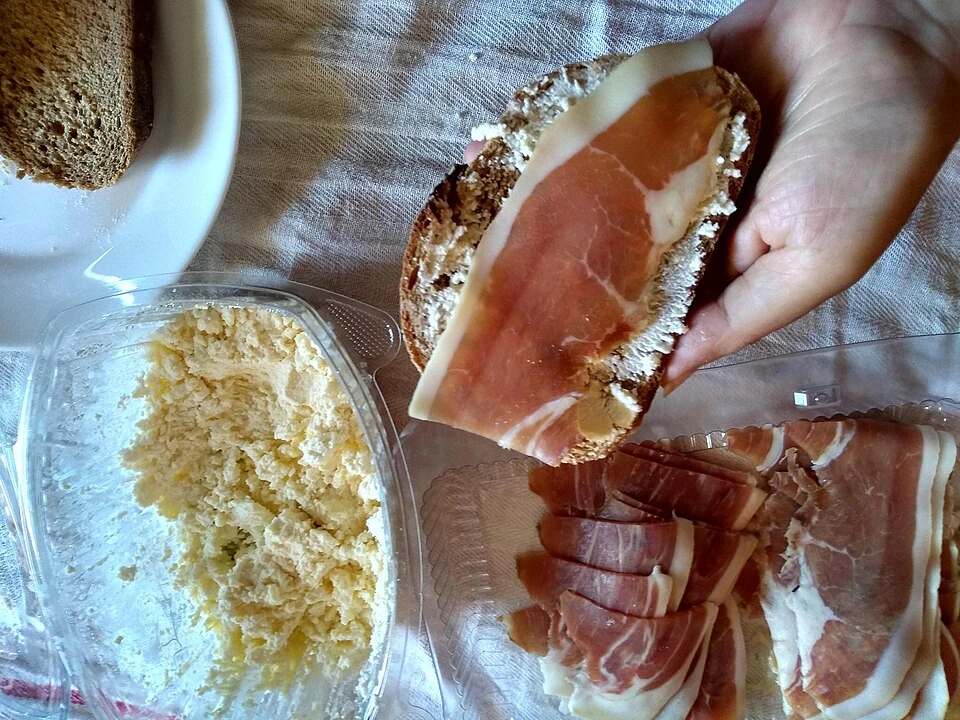
Pršut is cured ham, traditionally associated with the village of Njeguši. The surrounding mountain environment and the interaction of inland and coastal air are considered important parts of the curing tradition. Official tourism information also highlights several regional cheeses, including Njeguški, Pljevaljski, layered Kolašin cheese, and fresh goat cheese.
A tasting plate can work as either a starter or a light lunch. It may include:
- Njeguški pršut;
- one or more local cheeses;
- olives;
- tomatoes or cucumber;
- homemade bread;
- kajmak or another creamy dairy product.
For a more personal experience, stop at a village household or small rural restaurant rather than buying only packaged products from a souvenir shop. These places may serve food produced or prepared on the property, and the host can often explain where the cheese or meat came from.
Discover Lake Cuisine Near Skadar
The Skadar Lake region adds another dimension to Montenegro food. Instead of sea fish, menus feature freshwater species such as carp, trout, eel, and bleak.
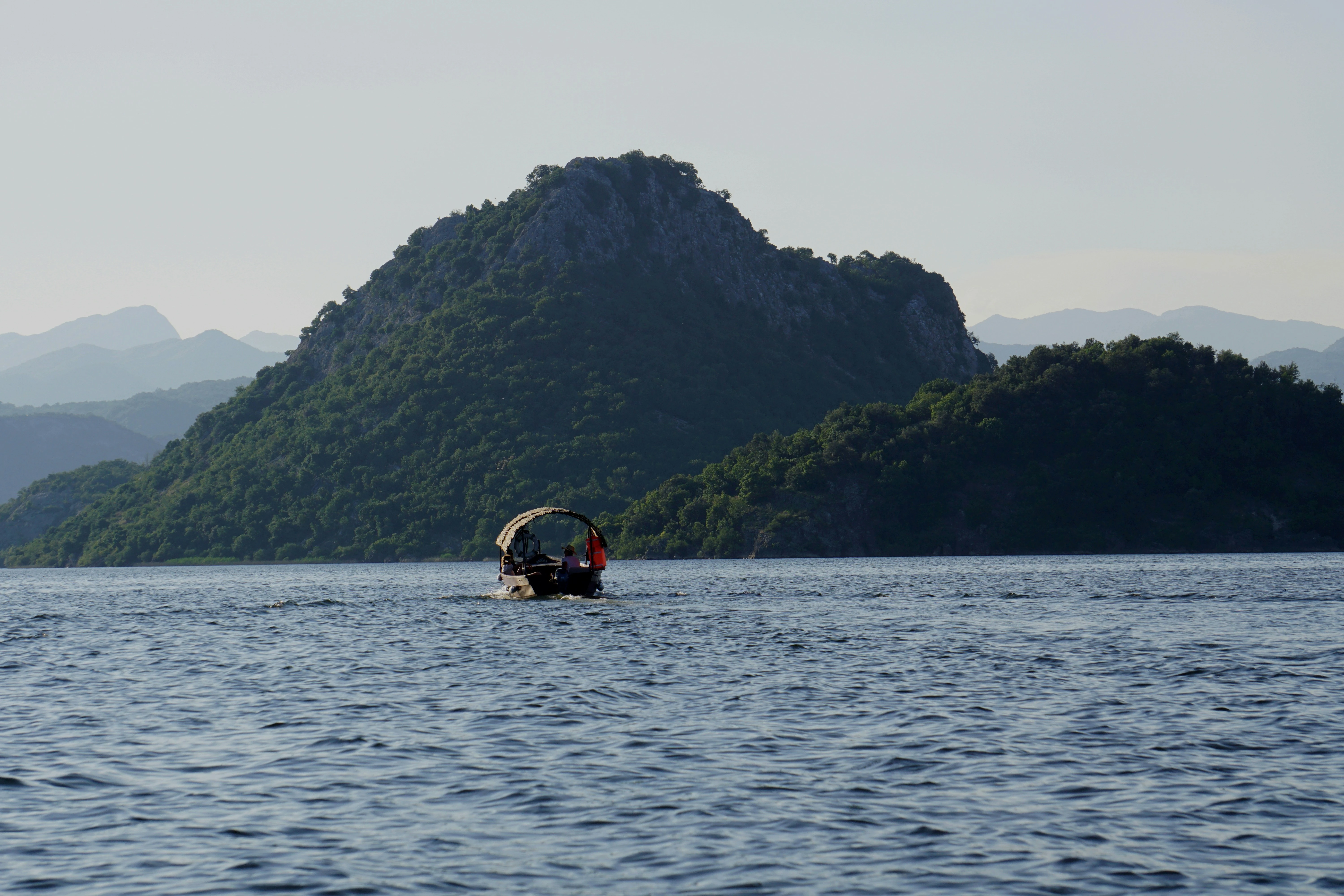
Preparations vary from simple grilled or fried fish to richer recipes using onions, vegetables, dried fruit, herbs, garlic, lemon, and olive oil. The official Montenegro tourism site describes traditional lake dishes including carp cooked with onions and fruit, smoked carp, baked eel with rice, and trout served with a parsley and garlic sauce.
Virpazar is a practical starting point for exploring the region, but restaurants also appear in smaller lakeside settlements. A meal here is best enjoyed slowly. Leave enough time for a walk, a viewpoint, or a boat trip rather than arriving only to eat and immediately departing.
Travelers who do not eat fish can still find vegetable dishes, salads, cheese, bread, soups, and grilled options, although the exact selection may be more limited in small establishments.
Eat Kačamak in the Mountains
Kačamak is one of the dishes most closely associated with northern Montenegro. It is filling, simple, and particularly suited to cooler mountain weather.
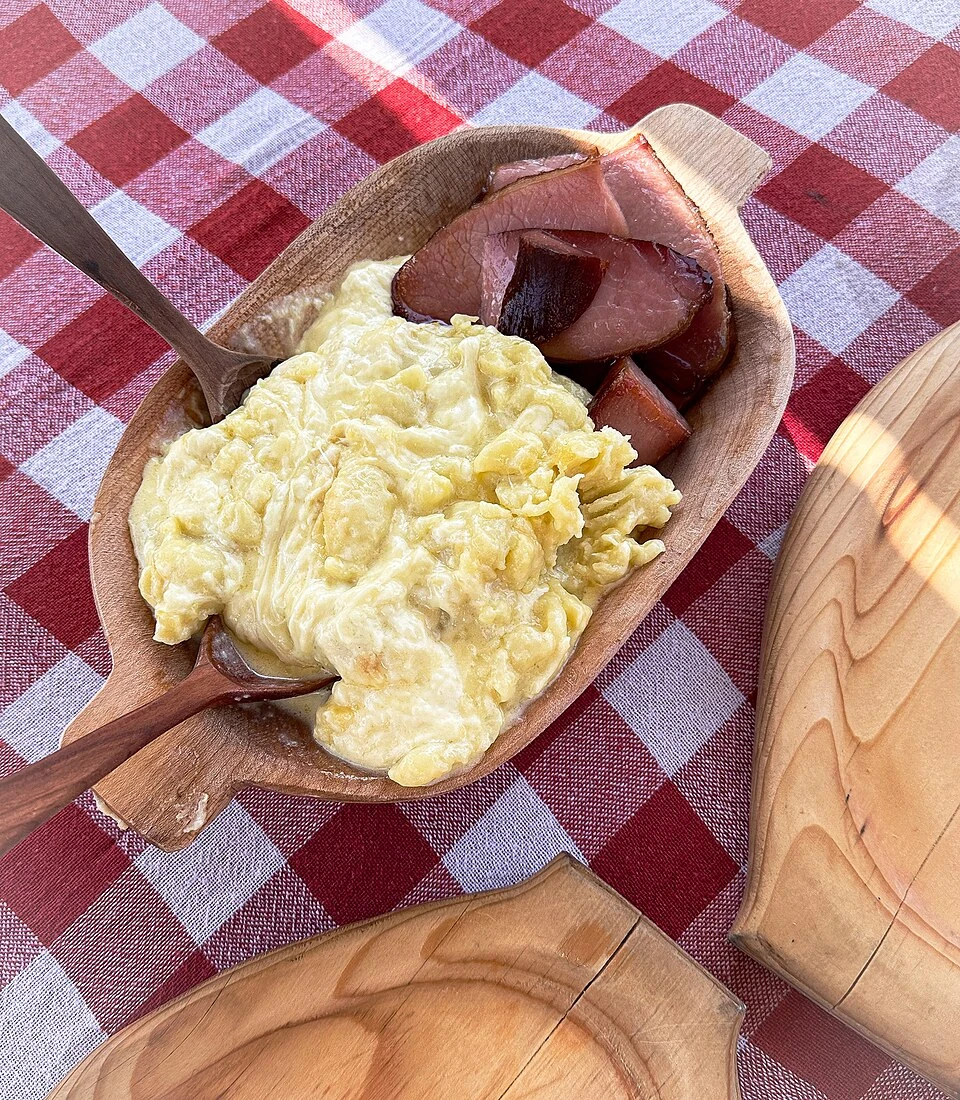
Recipes differ, but kačamak is generally prepared using cornmeal or potatoes and combined with cheese and kajmak. It is often served with sour milk or yogurt. Montenegro’s tourism authorities describe it as a traditional mountain food made with considerable time and care.
This is not usually a light snack. Portions can be generous, so consider sharing one serving when it is part of a larger meal.
Other northern specialties may include:
- lamb cooked slowly under a metal sač;
- roasted potatoes;
- homemade bread;
- local cheese;
- hearty soups;
- seasonal mushrooms and vegetables;
- priganice, small pieces of fried dough that may be served with cheese or honey.
Meals cooked under a sač can require advance preparation. Calling ahead is sensible, especially at rural households or restaurants outside major towns.
How to Recognize a Good Local Restaurant
Online ratings can help, but they should not be the only factor in choosing where to eat. A restaurant with fewer reviews may simply be new, rural, or more popular with residents than international visitors.
Look for several practical signs:
- The menu matches the region. A mountain restaurant should have more than generic pizza and pasta, while a coastal konoba should know which fish is available.
- The menu is reasonably focused. A smaller selection often indicates that dishes and ingredients are prepared more regularly.
- Local guests are eating there. Restaurants serving residents tend to rely less on one-time tourist traffic.
- Staff can explain the dishes. They should be able to describe the ingredients, portion size, and preparation method.
- Prices are clearly presented. Be cautious when fish, shared platters, or side dishes have no obvious price.
- Regional products are named specifically. “Njeguški cheese” or “Pljevaljski cheese” provides more useful information than simply “local cheese.”
A Simple Three-Day Montenegro Food Route
You do not need to drive across the entire country to enjoy its culinary variety. The following itinerary combines manageable travel with distinctly different meals.
Day 1: Kotor and the Bay
Begin with a light breakfast in Kotor, followed by seafood for lunch. Order fish soup or a grilled fish dish rather than several heavy courses. In the evening, explore a quieter restaurant outside the most crowded squares.
Day 2: Njeguši and Cetinje
Travel inland toward Njeguši for a tasting plate of pršut, cheese, bread, and vegetables. Continue to Cetinje for coffee, a pastry, or a relaxed dinner. This route demonstrates how quickly the landscape and cuisine change after leaving the coast.
Day 3: Skadar Lake or the Mountains
Choose Skadar Lake for freshwater fish and lakeside scenery. Alternatively, travel north for kačamak, lamb, and a rural mountain meal. Trying to fit both areas into one day can make the experience feel rushed, so select one and leave time for unplanned stops.
Dining Tips for First-Time Visitors
Montenegrin meals are often larger than visitors expect. Ordering several individual starters, mains, and side dishes can result in far too much food.
A more practical approach is to:
- ask about portion sizes before ordering;
- share starters and tasting boards;
- order seasonal dishes;
- confirm whether bread and side dishes cost extra;
- carry some cash for small rural establishments;
- mention allergies clearly and more than once;
- reserve ahead when requesting slow-cooked dishes;
- avoid scheduling a long drive immediately after a heavy mountain lunch.
Vegetarian travelers should ask whether soups, beans, pastries, or vegetable dishes contain meat stock or small pieces of cured meat. Saying that you do not eat meat may be clearer than simply requesting a “vegetarian” dish in a small traditional restaurant.
Food Is a Reason to Travel More Slowly
The most rewarding Montenegro food experiences are rarely found by trying to visit the greatest number of famous restaurants. They come from allowing enough time for a village stop, asking what was prepared that day, or choosing a regional specialty instead of a familiar international meal.
Begin with seafood beside the Bay of Kotor, taste pršut and cheese in the hills, explore the cooking traditions of Skadar Lake, and finish with kačamak in the mountains. The distances may be short, but each stop reveals a different side of the country.
Montenegro is not simply a beach destination with good restaurants. It is a compact culinary landscape where the menu changes with the altitude, climate, and surrounding water. Traveling with that idea in mind turns lunch and dinner into some of the most memorable parts of the journey.