18+ Gaming content is for adults of legal age where they live. Gambling involves risk; please play responsibly.
The best poker night food ideas share one rule: they can be eaten with one hand and leave no grease on the cards. Think skewers, sliders, wrapped bites and a separate snack station away from the felt. Pair that with a self-serve drink station, a clear food timeline and a few house rules, and the evening runs itself.
To make it concrete, we’ll walk through a hypothetical evening: eight friends, one table, a Saturday from 7 p.m. to around midnight. The host, call her Sam, wants good food, a relaxed game and nobody fishing crisps out of the chip tray.
This is a friendly home game. Keep any stakes small and social, check what is legal where you live, and keep it to adults 18 and over, or older if your local rules say so.
Key takeaways
- Serve food that is clean to handle: skewers, sliders, wraps and bites on picks.
- Keep food and drinks on a side station, not on the playing table.
- Plan food in waves: arrival snacks, a mid-game main, a late sweet.
- Follow the USDA two-hour rule for dips and platters, and replace rather than top up.
- Agree house rules and stakes before the first hand.
The scenario: eight players, one Saturday night
Sam has a dining table that seats eight with a folding poker top, a kitchen counter a few steps away and a budget that covers food for everyone plus drinks. Guests arrive between 7 and 7:30. The first hand is dealt at 7:45, there is a break at about 9:30, and the game winds down near midnight.
Her first decision is the most useful one: the table is for cards and chips only. Everything edible lives on the kitchen counter or a side table, and players carry a plate over during breaks or between hands they sit out.
Table setup before anyone arrives
- Clear the table and add the felt top or a thick tablecloth so cards slide cleanly.
- Place eight chairs with enough elbow room for chip stacks. Pull one chair if it is tight.
- Set a side table or tray at each corner for drinks, with coasters, so glasses never touch the felt.
- Put two fresh decks out so one can be shuffled while the other is dealt.
- Lay out chip sets and a dealer button, and keep a notepad for the buy-in record.
- Set good overhead light and a low playlist that won’t drown out table talk.
- Put napkins and a hand-wipe station by the food and near the table.
That last step does more for the cards than any rule. Players who wipe their hands after a slider won’t leave marks on the deck, and nobody has to police it.
Poker night food ideas that stay off the cards
Sam plans food in three waves, which keeps the counter fresh and fits the natural rhythm of the game. Here is what each wave looks like and why it works.
| Time | Wave | What Sam serves | Why it works |
|---|---|---|---|
| 7:00 | Arrival snacks | Popcorn in paper cones, roasted nuts, olives, cheese cubes on picks | Easy to grab while people settle in |
| 7:45 | Game on | Veggie cups with dip in the bottom, pretzel bites, sliced fruit | Individual portions, no shared bowls on the table |
| 9:30 | Main break | Sliders, chicken skewers, wraps cut in halves, meatballs on picks | Filling, one-handed, quick to eat during a break |
| 11:00 | Late sweet | Brownie squares, cookies, mini cheesecakes | Low-mess, and a signal the night is heading home |
What Sam skips
- Wings with sticky sauce and anything that needs licking your fingers.
- Nachos piled high: great food, terrible for cards.
- Greasy crisps straight from the bag at the table.
- Soups, pasta and anything that needs a knife and fork.
Crisps and popcorn are fine at the counter. The rule is not no snacks; it is no snacks at the table. For more crowd-pleasers, see our game night snack ideas.
If it needs a fork or leaves a fingerprint, it belongs on the counter, not at the poker table.
Keeping dips and platters safe all night
A five-hour game is long enough for food safety to matter. The USDA says food should not sit at room temperature for more than two hours, because bacteria multiply fast between 40 °F and 140 °F. The FDA adds that the window shrinks to one hour when it is above 90 °F, which is worth remembering on a hot night or near a warm oven.
Sam builds the plan around that clock:
- Dips and cheese go out in small bowls, with backups waiting in the fridge.
- Cold platters sit nested in a tray of ice, as the USDA suggests.
- Meatballs stay in a slow cooker on warm, holding at 140 °F or above.
- Empty platters are swapped for fresh ones, not topped up. The USDA advises replacing platters because hands have been in the old dish.
- Anything perishable that has been out more than two hours goes in the bin, not back in the fridge.
Setting a phone timer when each wave hits the counter takes the guesswork out of it. When it rings, the host clears that wave.
The drink station
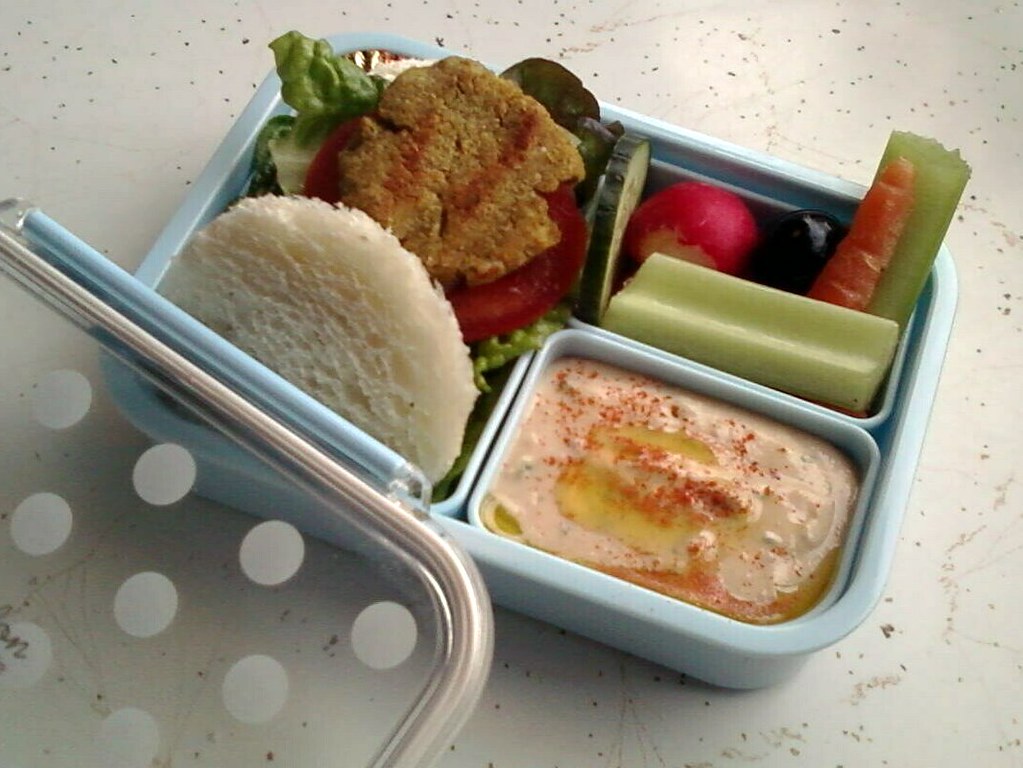
Sam sets drinks up at the end of the counter furthest from the table, with a tub of ice, cups with name labels, and a jug of water that stays full all night. Having a self-serve station means the host is not playing bartender between hands.
- A couple of alcohol-free options with some character: sparkling water with citrus, iced tea, a batch mocktail.
- Beer and one or two wines, or a single batch cocktail if the host wants a signature drink.
- Lidded cups or cups with a wide base near the table, so a spill doesn’t soak the felt.
- A clear label on any batch drink that contains alcohol.
The NIAAA recommends that hosts offer a variety of alcohol-free drinks, put more emphasis on food than drinks, and avoid activities centred on alcohol. That fits a card game well: clear heads make for a better game, and nobody wants to explain a misread hand. If anyone has had too much, help them arrange a ride home.
House rules that keep it friendly
Sam sends the rules in the group chat the day before, so there are no debates at the table.
- Game and blinds: say what you are playing and when the blinds go up.
- Stakes: small, fixed and agreed in advance, or chips only for bragging rights. Check local laws on home games before you play for money.
- No food or drink on the table itself. Plates and glasses stay on side tables.
- Wipe hands before touching the cards after eating.
- Phones face down during hands.
- The break is at 9:30 and the last hand is dealt at 11:45.
- The host settles disputes, and the decision stands.
A fixed finish time is underrated. It gives people a reason to go home and makes the next invitation easier to accept. More ideas for this kind of evening live in our gaming and game night guides.
Poker night FAQ
How much food do I need for eight players?
Plan on a filling main at the break plus steady snacks. Three to four bites per person per wave is a sensible starting point, with backups in the fridge.
What are the cleanest foods to eat during a card game?
Anything on a pick or skewer, sliders, wraps cut into halves, veggie cups and bite-sized sweets. Avoid sauces and crumbs that transfer to the cards.
How long can dips sit out?
No more than two hours at room temperature, or one hour above 90 °F. Serve small bowls and swap them for fresh ones rather than refilling.
Is a home poker night legal?
That depends on where you live and whether money is involved. Keep it to adults 18 and over, keep stakes low or play for chips only, and check your local rules.
Plan your own game night
Pick a date, send the house rules with the invite, and write the three food waves on a sticky note by the counter with a timer next to each one. Then shop for foods you can eat with one hand. If you want to take the food up a notch, our guide to party platters has more ideas.
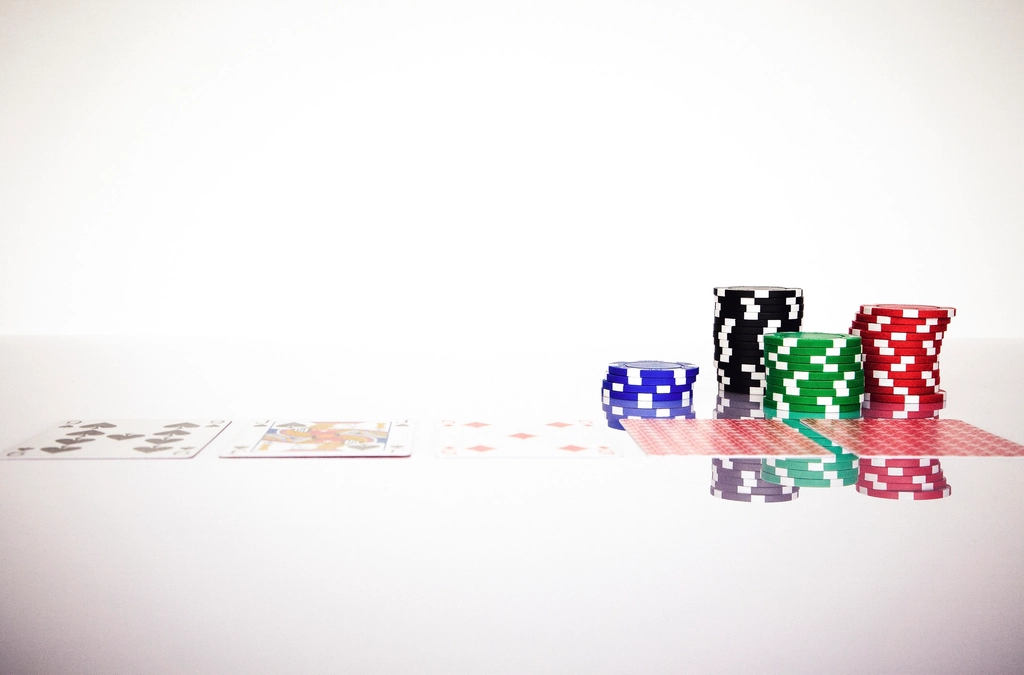
Featured photo: Stacks poker chips cards by Markus Spiske, CC0 1.0.