Not long ago, corporate cafeterias lived or died by one simple metric: Was the food cheap?
That question still matters—but it’s no longer the main one. Today, employees are asking something more pointed, and honestly more revealing: Is it even worth eating here?
As work patterns continue to shift—hybrid schedules, flexible hours, fewer predictable routines—corporate dining has become a visible part of the employee experience. When cafeterias are done well, they quietly support culture, connection, and a sense of care. When they miss the mark, employees don’t usually complain. They just stop showing up.
What follows is a practical look at what employees consistently value in workplace cafeterias, what pushes them away, and what all of this means for employers making food service decisions.
Why Corporate Cafeterias Matter More Now
Corporate dining is no longer a background operation humming along unnoticed. It shapes how employees experience the workplace itself.
Employees compare on-site dining to the coffee shops, fast-casual restaurants, and grocery counters they visit every day. Hybrid work has only raised the stakes. If someone is commuting in—by choice or necessity—they expect the experience, food included, to feel intentional.
This shift shows up in subtle ways. Many organizations notice full attendance at catered meetings, followed by near-empty cafeterias at lunchtime. The problem usually isn’t hunger. More often, it’s relevant. Or execution. Sometimes both.
Employees Want Choice, Not a Fixed Cafeteria Formula
Flexibility is what keeps people coming back.
Today’s workforce doesn’t move on a single schedule, and it doesn’t eat the same way every day. A cafeteria built around one lunch hour and a predictable menu cycle can feel strangely out of touch.
Employees tend to engage more when they see:
- A rotating mix of cuisines instead of the same weekly rhythm
- Both made-to-order meals and fast grab-and-go options
- Food available beyond a narrow lunch window
- Inclusive menus that don’t rely on dense or confusing labels
- Seasonal or limited-time items that signal freshness and effort
In offices where hot lunch is paired with micro-markets or rotating chef features, employees feel they have real agency. That sense of control—small as it seems—often leads to higher participation.
Food Quality Matters More Than Price
Quality builds trust. And trust drives behavior.
Employees are usually willing to pay reasonable prices when food feels fresh, consistent, and thoughtfully prepared. When quality slips, even subsidized meals struggle to compete with nearby alternatives.
What employees notice most:
- Fresh preparation and visible care in the kitchen
- Familiar comfort foods done well, not rushed
- Consistency from one day to the next
- Clean, well-kept serving and seating areas
- Simple presentation that suggests professionalism
In many offices, people will walk past a discounted cafeteria option without hesitation if the food feels mass-produced or unpredictable. Price matters—but trust matters more.
Convenience Without Friction Is Essential
Good food loses its appeal when it slows people down.
Even strong menus fall flat if the dining experience introduces friction. Convenience often determines whether employees use the cafeteria occasionally—or build it into their routine.
Employees consistently value:
- Reasonable wait times during peak hours
- Menus and pricing visible before they commit
- Familiar, easy payment methods
- Logical traffic flow through the space
- Quick solutions for meetings, late shifts, or overtime
Some organizations see immediate gains simply by adjusting service flow or introducing pre-order options. These improvements don’t require a full redesign—just closer attention to how employees move through their day.
Sustainability Resonates When It’s Grounded
Practical efforts earn far more trust than big claims.
Many employees care about sustainability, but they tend to disengage quickly when messaging feels vague or overstated. What resonates instead are visible, realistic actions.
Employees respond positively to:
- Clear explanations of sourcing or waste reduction efforts
- Programs that are easy to participate in
- Reusable or eco-conscious packaging where it truly works
- Straightforward signage without marketing language
- Local or community partnerships that feel sincere
When sustainability shows up quietly—highlighting local ingredients, clearly labeling compost bins—it feels credible rather than performative.
What Employees Don’t Want (and Why They Drift Away)
Even well-funded cafeterias struggle when basic expectations go unmet.
Employees often disengage after repeated encounters with:
- Menus that rarely change
- Long lines squeezed into short lunch windows
- Outdated or poorly maintained dining spaces
- Programs shaped by contracts instead of real behavior
- Wellness messaging that feels restrictive or preachy
Over time, these frustrations compound. Employees stop checking menus. Then they stop entering the space. Eventually, the cafeteria disappears from their workday altogether.
What This Means for Employers and Decision-Makers
Good intentions aren’t enough. Execution matters just as much.
Meeting employee expectations requires more than better recipes. It takes operational consistency and a dining approach grounded in workplace realities.
Effective programs often share a few traits:
- Customization based on company size, culture, and schedule
- Ongoing feedback rather than static annual plans
- Scalable service models for growth or multiple locations
- Reliable staffing and hands-on oversight
- A partner willing to adapt as needs evolve
This is where an experienced corporate food service company can make a meaningful difference—helping organizations move beyond generic cafeteria models toward programs that reflect how people actually work today.
Communicating Dining Programs Responsibly
How corporate dining is presented matters almost as much as how it operates.
Responsible practices include:
- Avoiding medical, nutritional, or legal advice
- Framing wellness and sustainability as initiatives, not guarantees
- Steering clear of promises tied to productivity or retention
- Keeping competitive comparisons general
- Ensuring claims align with daily operations
Clear, measured communication helps maintain trust with employees and internal stakeholders alike.
Designing Cafeterias Employees Actually Use
Employees have been remarkably consistent about what they want: real choice, dependable quality, and everyday convenience. When those elements are missing, even well-intentioned programs struggle to gain traction.
For employers, the takeaway is simple. Successful corporate dining reflects how employees actually eat and work today—not how cafeterias were designed years ago. With the right operational approach and the right partner, workplace food service can support culture and experience without becoming another source of friction.
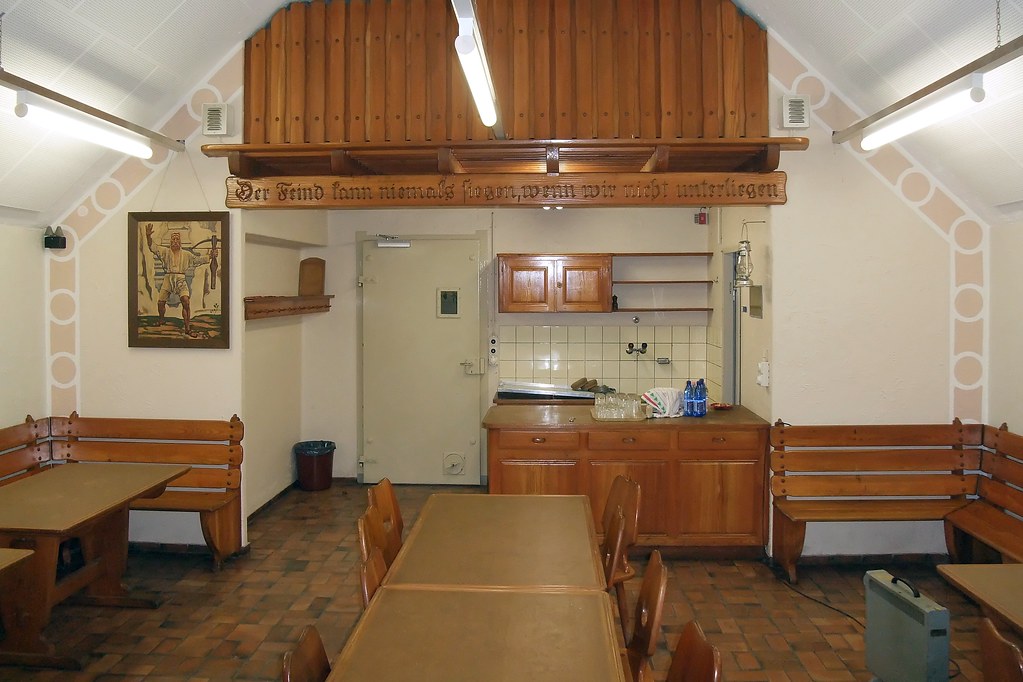
Featured photo: Fort «Furggels» – Officers’ Canteen by Kecko, BY 2.0.