It’s not true that classic rituals are losing their importance. On the contrary, afternoon tea has not only survived, but it’s even safe to say that it’s experiencing a significant renaissance in the premium segment in 2026.
Plus, luxury hotels and restaurants today treat it as part of their brand narrative, a cultural experience and a response to the need to slow down. On the other hand high-class guests expect authenticity, quality and excitement – and afternoon tea perfectly matches these expectations. What does this look like in practice?
- Why do luxury hotels continue to invest in afternoon tea?
- How is fine dining redefining the tradition of afternoon tea?
- Does the classic afternoon tea format really meet the expectations of guests in 2026?
Here, we’d like to show you why afternoon tea culture remains an important part of premium dining while evolving under the influence of fine dining. You’ll also learn why it continues to attract discerning guests. Let’s dive in!
Why do luxury hotels continue to invest in afternoon tea?
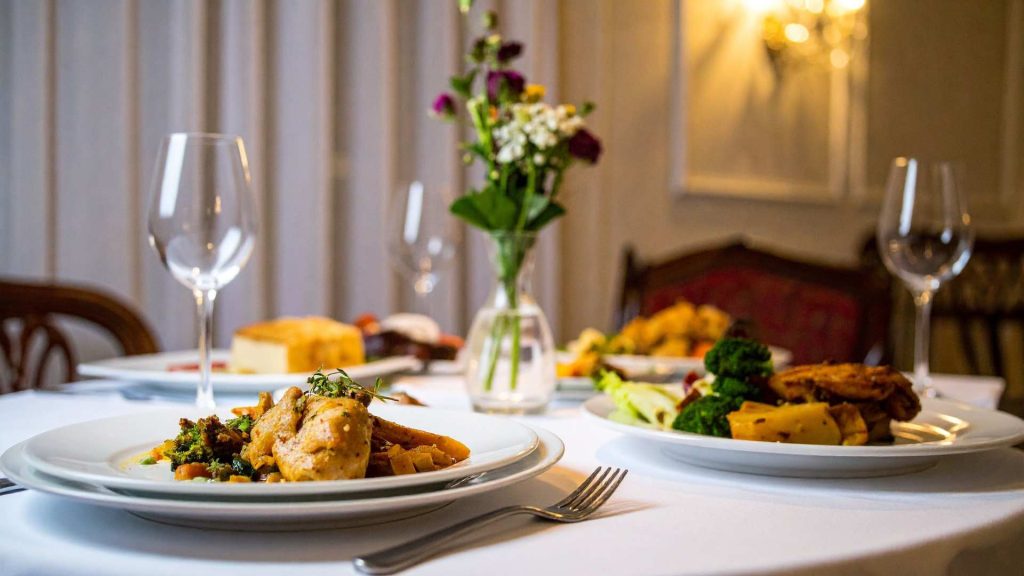
Staying at a luxury hotel in Manchester quickly reveals that afternoon tea is more than just a menu item. Ask anyone on-site and you’ll be told it’s an experience that builds prestige and recognition.
Where does this phenomenon come from? There are various explanations. However, it’s undoubtedly because guests today are seeking moments of tranquility in an elegant setting – something they find by choosing intimate gatherings like private dining in Manchester. And here, afternoon tea meets these needs, offering a balance between formality and casualness.
It can’t be haphazard or haphazard. High-quality porcelain, carefully selected teas and seasonal accessories are absolutely essential. Simply put: attention to detail. This creates a ritual that allows hotels to tell the story of a place and its values.
How is fine dining redefining the tradition of afternoon tea?
That was the introduction. Now let’s take a closer look at today’s trends. In 2026, afternoon tea is increasingly drawing inspiration from premium cuisine. What does this look like in practice? Fine dining in Manchester are introducing their own interpretations of classic sweets, utilizing local ingredients and techniques familiar from degustation kitchens.
This gives a familiar and beloved experience a new dimension and attracts tourists, local connoisseurs and simply anyone who appreciates the unique charm of bygone days in a new guise. What’s more, this has even led to the creation of concepts aspiring to be the best afternoon tea in Manchester – where taste, aesthetics and innovation go hand in hand. This evolution ensures that tradition remains relevant and appealing – and continues to seduce.
Does the classic afternoon tea format really meet the expectations of guests in 2026?
The modern luxury guest doesn’t reject tradition- they expect it to be reinterpreted. Afternoon tea meets these expectations, combining a familiar form with the potential for personalization and storytelling. We live in an age of stimuli overload – it’s no wonder that simplicity and ritual are becoming a luxury in themselves. Afternoon tea provides a space for conversation, reflection and a conscious celebration of the moment. This is precisely why, despite changing trends, it remains a permanent fixture in the high-end hospitality landscape, one that you simply want to be a part of.