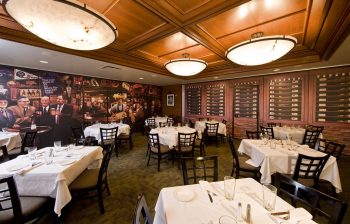

Running a successful restaurant takes far more than exceptional food and service. Behind the scenes, operational choices shape the guest experience just as much as what arrives on the plate. Linen management is one of those choices. Washing tablecloths, napkins, and service cloths in-house can take up space, add to utility and maintenance costs, and pull staff away from more important work.
For many operators, outsourcing linen care is a practical way to simplify daily operations. Rather than treating laundry as another internal task, restaurants can hand it over to a specialist provider and focus more attention on food, service, and the overall dining experience.
Quality, Consistency, and Presentation Standards
First impressions matter in restaurants. Clean, well-presented table linen supports a polished dining room, while stained, worn, or poorly pressed linen can quickly undermine it.
Professional hospitality linen services can provide clean, pressed table linen with scheduled delivery and pickup, helping restaurants maintain more consistent presentation without handling all laundering in-house.
For restaurants that use large volumes of linen, this can be difficult to replicate internally without investing in suitable equipment, processes, and staff time. Outsourcing can make it easier to maintain a dependable standard across tablecloths, napkins, and other service linen.
The Hidden Cost of Managing Linen In-House
Managing linen internally may appear straightforward, but the real cost can extend well beyond detergent and electricity.
Commercial washers, dryers, and pressing equipment can require significant upfront investment. There are also ongoing costs such as maintenance, repairs, utilities, replacement equipment, and staff time. Every hour spent sorting, washing, drying, pressing, folding, and storing linen is an hour that could be used elsewhere in the operation.
Running laundry equipment on-site can also add to water, energy, and maintenance costs. Once these expenses are considered together, outsourcing may prove more economical for some restaurants, particularly those with high linen volumes or limited back-of-house space.
Operational Efficiency and Staff Focus
Restaurant teams already work under demanding conditions. Adding laundry management to a busy shift can create extra pressure for staff who are also responsible for food preparation, service, cleaning, stock, and customer needs.
Outsourcing linen care removes much of that workload from the internal team. Depending on the provider and service arrangement, restaurants may receive scheduled deliveries, regular pickups, and support with linen tracking or supply levels.
The benefit is simple: staff have fewer back-of-house tasks competing for their attention. That can give managers more room to focus on service quality, staffing, stock control, and the guest experience.
Inventory Management Without the Headache
Linen stock can be difficult to balance. Too little creates problems during busy periods, while too much ties up space and money.
Some professional providers offer tracking systems and flexible supply arrangements that can make it easier to respond to changing demand. This can be useful during private events, seasonal peaks, promotions, or unexpected increases in bookings.
Rather than relying entirely on manual counts and last-minute orders, restaurants can work with a provider to maintain suitable stock levels and adjust supply when needed. The exact level of support will vary, so it is worth checking what is included before choosing a service.
Sustainability and Environmental Responsibility
Laundry also has an environmental impact. Water, energy, detergent use, and linen replacement all contribute to the overall footprint of restaurant operations.
Efficient large-scale laundries can sometimes achieve better resource efficiency than smaller, poorly optimised on-site setups, particularly when they use modern equipment, water-saving systems, or recycling technologies.
However, sustainability practices vary between providers. Restaurant owners should ask practical questions about water and energy efficiency, detergent use, textile care, and waste reduction rather than assuming every outsourced service delivers the same environmental benefits.
Choosing the Right Linen Service Partner
Not all linen providers offer the same service, so restaurants should compare more than price.
Turnaround times, delivery reliability, quality-control processes, stock replacement policies, and pricing transparency all matter. It is also worth asking how the provider handles damaged linen, unexpected demand, missed deliveries, and seasonal changes.
Local knowledge can also be valuable. Service schedules, compliance requirements, seasonal demand, and delivery conditions vary between markets, so a provider familiar with the realities of operating in your area may be easier to work with.
The best arrangement is one that fits the restaurant’s volume, storage limits, operating hours, and service expectations.
Drop the Laundry, Focus on the Dining Room
Outsourcing linen management is not automatically the right choice for every restaurant, but it can be a practical way to reduce internal workload, simplify operating costs, and support more consistent presentation.
For restaurant owners already balancing staffing, stock, service, and margins, removing laundry from the daily task list can free up time and attention for the parts of the business that directly shape the guest experience.