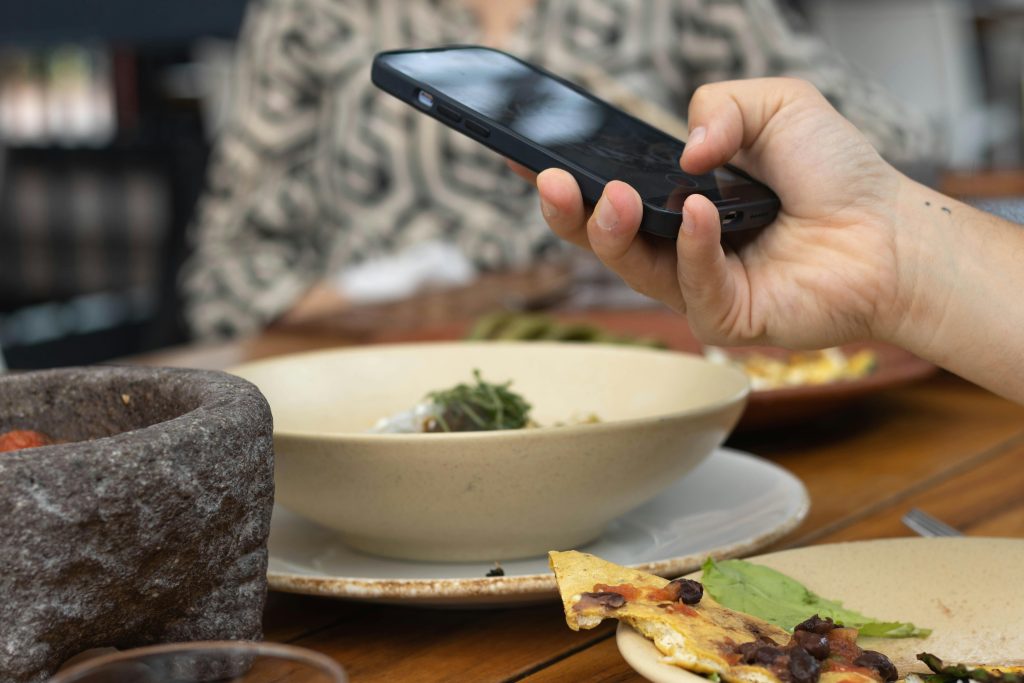
A guest’s first encounter with your restaurant does not happen at the host stand – it happens on a smartphone screen. The hospitality industry has shifted from a “walk-in” culture to a “click-in” culture, where a digital discovery dictates table occupancy. Your website is no longer just a digital placeholder for your address; it is a sales tool that determines whether a hungry user chooses your dining room or the one across the street.
In competitive culinary hubs, the stakes are even higher. A restaurant investing in professional web design understands that standing out in a dense foodie market requires more than just food. It requires a digital presence that captures the brand’s atmosphere before the first appetizer is even ordered.
Essential Features of a Modern Restaurant Site
A website that merely exists is a liability. To convert visitors into diners, your platform must prioritize three mechanical pillars:
- Mobile-first architecture: With almost 60% of global web traffic coming from mobile devices, responsive design is the bare minimum. A modern site must feel like a native app, with thumb-friendly navigation and lightning-fast load times.
- Interactive menus: The era of the clunky, non-searchable PDF menu is over. Users want live, text-based menus that are easy to read on small screens and ADA-compliant for accessibility.
- Direct ordering integration: To protect profit margins from high-commission third-party apps, top-tier restaurants are moving toward brand-owned, native ordering systems integrated directly into their homepage.
The Power of Visual Storytelling
High-impact imagery is the digital equivalent of the smell of fresh bread wafting from a kitchen. Modern web design now leans into rich textures and bold, high-definition photography that makes the food look almost tactile.
Beyond static photos, the use of short-form video loops, such as a busy open kitchen or a perfectly poured cocktail, significantly increases dwell time. This engagement tells search engines that your site is valuable, which in turn boosts your organic rankings.
Dominating Local Search Results
Search engine optimization is the engine that drives your digital visibility. Google prioritizes near me searches, meaning your site must use technical schema markup to help search engines instantly identify your operating hours, physical locations, and specific cuisine type.
This is particularly vital in highly competitive foodie hubs. For instance, a restaurant owner looking to capture the attention of the Mid-Atlantic market would benefit from a localized web design Richmond VA company that ensures their establishment appears in the local search results. In a city with a busy restaurant scene, this visibility is often the difference between a fully booked Saturday night and an empty floor.
Future-Proofing Your Brand
A professional website is not an overhead expense, it is a strategic investment that lowers your customer acquisition costs over the long term. As technology continues to evolve, the goal remains the same, the digital experience should disappear into the background, providing a seamless, frictionless path from a mobile search to a seat at your table.
If your current site takes more than three seconds to load or requires a “pinch-to-zoom” gesture to read the menu, you are leaving revenue on the table. It is time to treat your digital storefront with the same level of care as your kitchen.