Choose a tasting menu when the restaurant itself is the reason you’re going and you have three hours to give it. Choose à la carte when you want control over what you eat, how much you spend and when you leave. That, in two sentences, settles most tasting menu vs a la carte debates.
The harder cases sit in the middle: a special occasion with a picky eater, a restaurant known for one signature dish, a budget that stretches to one splurge but not two. Those are the nights when the choice genuinely changes the evening.
Below, the two formats are compared on cost, time, pacing, dietary flexibility, wine and value, with the etiquette for each and a quick rule for deciding at the booking stage rather than at the table.
Key takeaways
- A tasting menu hands the decisions to the kitchen; à la carte keeps them with you.
- Tasting menus usually cost more and take longer, but show more of what a kitchen can do.
- À la carte is easier for mixed appetites, tight schedules and last-minute dietary changes.
- Tell the restaurant about allergies and restrictions when you book, especially for a set menu.
- Compare the two menus side by side: heavy overlap in dishes can make à la carte the better value.
In this guide
- How the two formats work
- Tasting menu vs à la carte, side by side
- Cost and value
- Time, pacing and wine
- Dietary needs and allergies
- Etiquette for either choice
- FAQ
- Make the call when you book
How the two formats work
The tasting menu
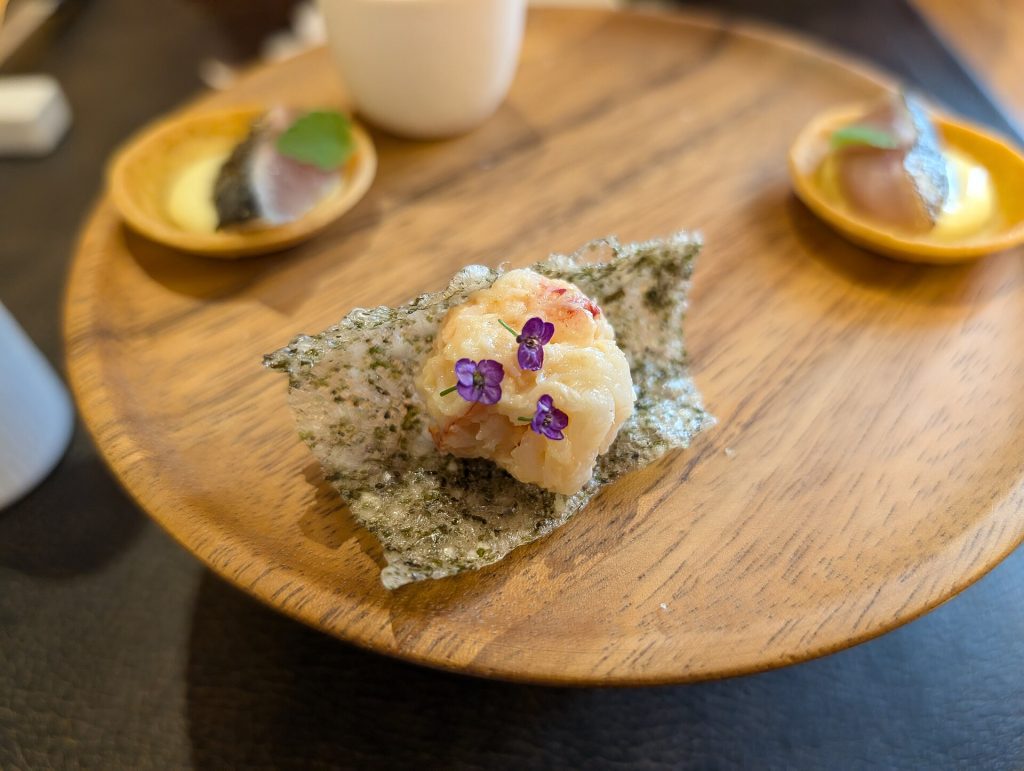
A tasting menu is a fixed sequence of small courses chosen by the chef. Everyone at the table usually eats the same progression, often with a few extras from the kitchen along the way. The point is the arc of the meal: light to rich, savoury to sweet, each plate set up by the one before.
Many restaurants offer one tasting menu, sometimes with a shorter version or a vegetarian alternative. Some serve nothing else, which settles the question for you.
À la carte
À la carte means ordering individual dishes from the menu, each priced separately. You build your own meal, typically a starter, a main and maybe dessert, and you can share, skip or double up as you like. It is the default format for most restaurants and the one you already know how to use.
The trade-off is simple. À la carte gives you choice; a tasting menu gives you the chef’s full intent.
Tasting menu vs à la carte, side by side
Here is how the two compare on the things that actually shape your evening.
| Factor | Tasting menu | À la carte |
|---|---|---|
| Who decides what you eat | The kitchen | You |
| Typical cost | Higher, fixed per person | Varies with what you order |
| Time at the table | Long, often most of the evening | Flexible, from quick to leisurely |
| Pacing | Set by the kitchen, many small courses | Set by you, fewer larger plates |
| Dietary flexibility | Needs advance notice | Easier to adapt on the night |
| Wine | Pairing offered with each course | By the bottle or glass to suit your dishes |
| Best for | Special occasions, food lovers, first visits to a destination restaurant | Groups, mixed tastes, weeknights, return visits |
Read the table as tendencies, not rules. Some tasting menus are short and quick, and some à la carte dinners stretch into the small hours.
Cost and value
A tasting menu is usually the most expensive way to eat at a given restaurant. You pay a set price per person, often before drinks, service and tax, and many tables add a wine pairing on top. It can still be good value, because you get far more dishes than you would ever order yourself.
The MICHELIN Guide’s inspectors offer a useful test: they start by comparing the à la carte menu with the tasting menu to see how much the dishes and prices overlap. If the tasting menu is mostly the same plates in smaller portions, ordering the two or three you most want can give you the heart of the meal for less.
If the tasting menu and the menu list the same dishes, you are paying for the sequence. Decide whether the sequence is worth it.
When à la carte wins on value
- The restaurant is famous for one or two dishes and you mainly want those.
- Your group has very different appetites and some would leave half of a long menu.
- You plan to return, so there is no pressure to see everything in one night.
When the tasting menu wins
- The kitchen reserves its most ambitious cooking for the set menu.
- It is a once-in-a-trip visit and you want the full picture.
- The restaurant offers only a tasting menu at dinner, so the comparison is moot.
Time, pacing and wine
Time is the factor people most often underestimate. A tasting menu can easily take up most of an evening, so a 9pm theatre curtain or an early babysitter deadline points firmly to à la carte. If you have somewhere to be, say so when you book and when you sit down.
Pacing is also more in your hands than it looks. One MICHELIN inspector says that if things move too fast, they ask the kitchen to slow it down, and a good restaurant will understand. The same works in reverse if the evening is dragging.
Wine pairing or a bottle
A wine pairing matches a pour to each course and suits a tasting menu well, because the dishes change so often. With à la carte, a single bottle chosen for the table is often simpler and cheaper. The inspectors’ advice applies to both: start a conversation with the sommelier, don’t be afraid to give a budget or say what you usually like, and tell them your tastes, whether that is tea, cocktails, sour or sweet.
Many restaurants also offer a non-alcoholic pairing. If you are driving or simply not drinking, it is worth asking about.

Dietary needs and allergies
À la carte is the easier format if you have dietary needs, because you choose the dishes and can ask about each one. A tasting menu is a set of plates designed together, so changing one course may mean reworking several.
That does not rule a tasting menu out. Chefs interviewed by the MICHELIN Guide describe rebuilding entire menus for guests with allergies, and one says that with two days’ notice there is basically no problem they can’t solve. The lesson is to tell the restaurant when you book, not when the first course arrives.
Be specific. In the United States, the FDA recognises nine major food allergens: milk, eggs, fish, crustacean shellfish, tree nuts, peanuts, wheat, soybeans and sesame, which became the ninth in 2023 under the FASTER Act. Naming the exact ingredient, and whether it is an allergy or a preference, helps the kitchen plan properly.
Etiquette for either choice
At a tasting menu
- Arrive on time. Courses are timed across the dining room, and a late start can compress your meal.
- Share restrictions early. Put them in the booking and confirm them when you sit down.
- Expect the whole table to order it. Many restaurants serve the tasting menu to full tables only, so check before you book.
- Ask questions. Servers expect curiosity about ingredients and technique. It is part of the experience.
Ordering à la carte
- Coordinate courses. If one person orders a starter and others don’t, ask for their main to come with the table’s.
- Share openly. Most places are happy to split plates; just mention it when you order.
- Ask what the kitchen is proud of. It is the quickest way to find the dish that would have headlined a tasting menu.
For more on dining-room manners, see our guide to restaurant etiquette, or browse more eating out guides.
FAQ
Is a tasting menu worth the money?
It is when the kitchen’s best cooking is on the set menu and you have the time to enjoy it. If the dishes overlap heavily with the regular menu, à la carte can give you the highlights for less.
Can I order a tasting menu if my partner orders à la carte?
Sometimes, but many restaurants require the whole table to take the tasting menu so courses arrive together. Ask when you book.
Can a tasting menu work with allergies?
Often, yes, as long as you give notice. Tell the restaurant at booking, name the exact ingredients, and confirm again when you arrive.
Do I have to take the wine pairing?
No. You can order by the glass or bottle, ask for a non-alcoholic pairing, or simply drink water. Give the sommelier a budget and they will work with it.
Make the call when you book
Before your next booking, open both menus on the restaurant’s website and compare them. If you want the chef’s full story and have the evening free, book the tasting menu and flag any dietary needs right away. If you want choice, speed or a lighter bill, go à la carte and order what the kitchen is proudest of. Our restaurant directory is a good place to start, and our tips on choosing wine with dinner will help once you are seated.
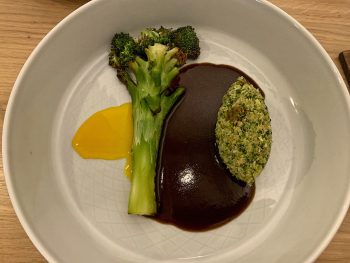
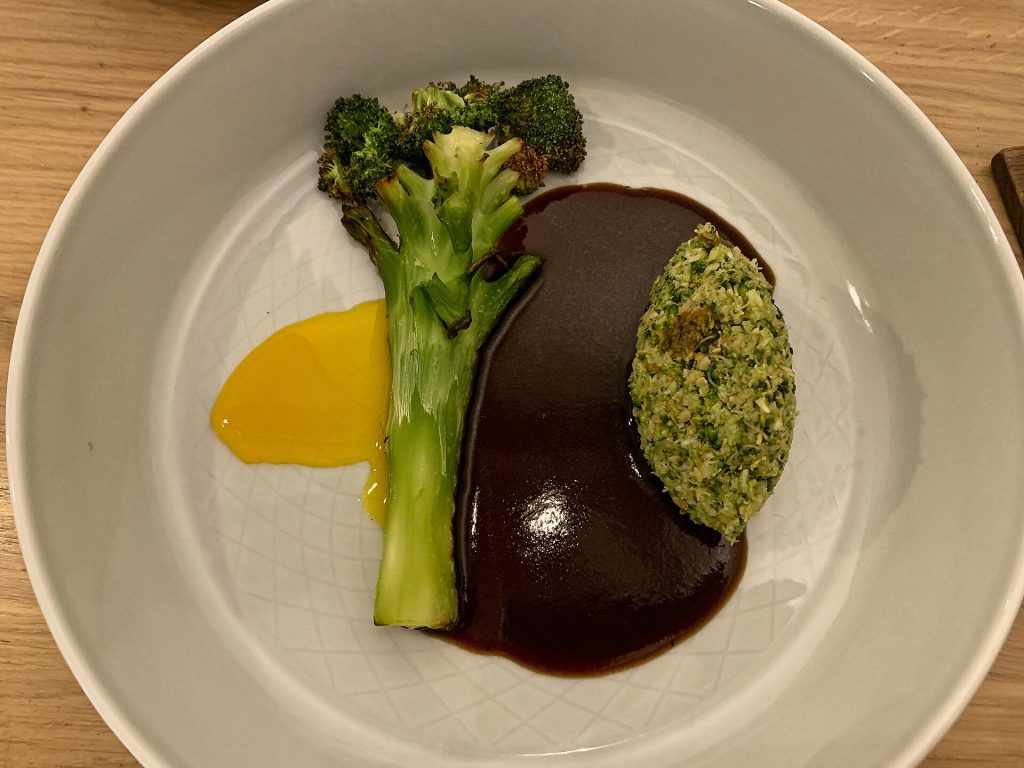
Featured photo: Seven-course tasting menu at Monstera Bistro, Ljubljana (48702049837) by Bex Walton from London, England, BY 2.0.