The golden rule for bringing food through customs into the United States is simple: declare every food item, every time. If you declare it and it turns out to be prohibited, US Department of Agriculture guidance says you will not be penalised; the inspector just takes it. If you don’t declare it, you risk a civil penalty of up to $1,000 for a first offence.
After that, the details matter. Most fresh fruit and vegetables are banned, many meats are off-limits, but roasted coffee, tea, most hard and soft cheeses and many dried and packaged foods are generally allowed once they’ve been declared and inspected.
This checklist covers the US rules from US Customs and Border Protection (CBP) and the USDA’s Animal and Plant Health Inspection Service (APHIS). Rules differ by country, so if you’re travelling somewhere else, treat this as a template and check that country’s official guidance.
Key takeaways
- Declare all food, plant and animal products on arrival in the US. Declared items that can’t enter are taken away without a penalty.
- Failing to declare can bring a civil penalty of up to $1,000 for a first offence with personal quantities, CBP says.
- Almost all fresh fruit and vegetables are prohibited, including the apple handed out on your flight.
- Many meat products are banned depending on the country’s animal disease status; most seafood isn’t regulated by APHIS.
- Roasted coffee, tea, most hard or soft cheeses and roasted nuts are generally allowed once declared.
The one rule that matters most
Everything else in this checklist is secondary to one habit. CBP states that all travellers entering the United States are required to declare meats, fruits, vegetables, plants, seeds, soil, animals and plant and animal products. On the paper declaration, that’s a yes to the agriculture question.
The reason isn’t bureaucracy for its own sake. CBP says prohibited agricultural items can carry plant pests and foreign animal diseases, naming foot-and-mouth disease among the threats, that could seriously damage American crops, livestock and the environment.
The upside of declaring is huge. The USDA’s APHIS guidance for travellers is explicit: as long as you declare all agricultural products, you won’t face any penalties, even if an inspector decides an item can’t enter. The downside of not declaring is a civil penalty that CBP says can reach $1,000 for a first offence with non-commercial quantities, and much more for commercial violations.
Declaring costs you a few minutes. Not declaring can cost you a thousand dollars and the food anyway.
Before you shop: the packing checklist
Work through this before you buy anything to bring home. It saves you from paying for food you’ll only surrender at the airport.
- ☐ Decide what you want to bring back, then check each item against the APHIS pages for its category.
- ☐ Favour sealed, commercially packaged products with the label and ingredients intact.
- ☐ Keep receipts and the original packaging. APHIS advises them as proof of the country of origin.
- ☐ Check anything containing meat, including soups, stock cubes and filled pastas, very carefully.
- ☐ Skip fresh fruit, vegetables and cut herbs unless you’ve confirmed they’re allowed from that country.
- ☐ Keep each item under 50 pounds. APHIS says travellers can’t bring more than that of any single item without making commercial arrangements.
- ☐ Pack food where you can reach it quickly for inspection, not buried at the bottom of a case.
For products not covered in the traveller guidance, APHIS points you to its Agricultural Import Requirements Database, which lets you look up a specific item from a specific country.
What usually gets through, and what usually doesn’t
Admissibility depends on the product and the country it comes from, and the inspector has the final say. With that caveat, here is how the main categories break down under current APHIS guidance.
| Food | General rule | Notes |
|---|---|---|
| Fresh fruit and vegetables | Almost all prohibited | Includes produce given out on aircraft or cruise ships |
| Dried beans, dates, figs, raisins, okra, peas | Generally allowed | Must be declared and inspected |
| Nuts | Allowed if boiled, cooked, roasted, dried, ground or steamed | Chestnuts and acorns are excluded from the dried-item exception |
| Beef, pork, lamb, goat | Most prohibited from countries with certain livestock diseases | Allowed from disease-free countries with proof of origin |
| Poultry | Most prohibited from countries with certain poultry diseases | Cooked, commercially packaged, unopened poultry may be allowed |
| Seafood | Mostly not regulated by APHIS | Breaded seafood with animal-origin breading is |
| Cheese | Solid hard or soft cheeses allowed from any country | Not if it contains meat or pours like ricotta or cottage cheese |
| Butter | Allowed from any country | |
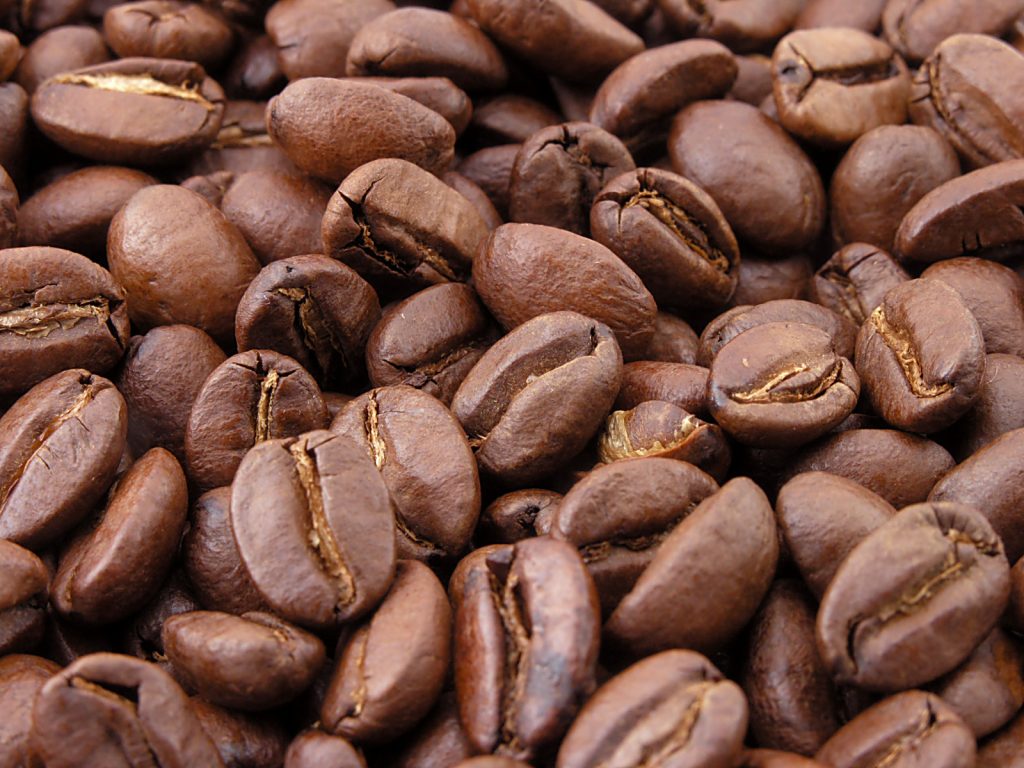
| Roasted coffee and tea | Allowed without quantity limits | Fresh coffee cherries are prohibited |
| Dried spices | Most allowed | Not citrus leaves or seeds |
Fruit and vegetables
The APHIS fruit and vegetable page says almost all fresh fruits and vegetables, whole or cut, are prohibited because of pest and disease risk, and that includes produce handed out on planes and cruise ships. Certain dried items, including beans, dates, figs, nuts, okra, peas, raisins and Szechwan peppercorns, are generally allowed after declaration and inspection.
Meat, poultry and seafood
Meat is where most people get caught out. According to APHIS, most beef, pork, lamb and goat products can’t come in from countries affected by certain serious livestock diseases, and the same applies to poultry from countries with certain poultry diseases. Most seafood falls outside APHIS rules, with questions on it directed to the FDA and the US Fish and Wildlife Service.
Dairy, eggs, coffee and pantry goods
The dairy picture is friendlier. The APHIS dairy and egg guidance allows solid hard or soft cheeses from any country, as long as they don’t contain meat or pour like a liquid, and butter is allowed too. Most eggs and many milk products from affected countries are not. On the coffee, tea and spice page, roasted coffee and pure tea leaves have no quantity limit, cooked or roasted nuts are allowed, and most dried spices are fine apart from citrus leaves and seeds.

On the plane and at the airport
- ☐ Eat or bin any fruit from the in-flight snack before landing.
- ☐ Answer yes to the agriculture question and list your food when you’re asked.
- ☐ Tell the officer if you’ve been on a farm or near livestock. APHIS asks travellers to declare close proximity to livestock.
- ☐ Have receipts and packaging handy to show where each item came from.
- ☐ Accept the inspector’s decision calmly. A declared item taken away carries no penalty.
If you’re a keen food shopper abroad, our guide to the best food souvenirs to bring home pairs well with this list. And for more trip planning, browse our food and travel guides.
Coming home somewhere other than the US
Every country sets its own rules, and they can be stricter or looser than the US ones. The habit that travels everywhere is the same: declare food on arrival and let the inspector decide.
Canada is a good example. The Canada Border Services Agency says you’re required by law to declare all food, plant and animal products you bring into the country, and that failing to do so can mean a penalty of up to $1,300. Australia, New Zealand and the European Union all publish their own traveller rules, and they’re worth reading before you pack.
- ☐ Look up the official customs or agriculture agency for the country you’re entering.
- ☐ Check whether meat, dairy and fresh produce rules differ from the US ones.
- ☐ Note any penalty for failing to declare.
- ☐ When in doubt, declare it.
FAQ
Will I get fined if I declare food that isn’t allowed?
Not under US rules. APHIS says that if you declare all agricultural products, you won’t face penalties even if an inspector decides an item can’t enter. It will simply be taken.
Can I bring cheese back to the US?
Generally yes. APHIS allows solid hard or soft cheeses from any country, as long as they contain no meat and aren’t liquid-like, such as ricotta or cottage cheese. You still need to declare them.
Can I bring back chocolate, coffee or tea?
Roasted coffee and pure tea leaves are allowed without quantity limits under APHIS guidance. Fresh coffee cherries are not. Declare everything and let the inspector confirm.
What about the fruit I got on the plane?
Leave it behind. APHIS specifically includes produce given out on aircraft and cruise ships in its ban on most fresh fruit and vegetables.
Your next step before you fly
Before your next trip, bookmark the APHIS traveller pages for the country you’re visiting and run your shopping list against them. Keep your receipts, declare every item on landing, and you’ll get through customs with your food, or at least without a fine. Planning where to eat while you’re away? Start with our restaurant directory and our latest city guides.
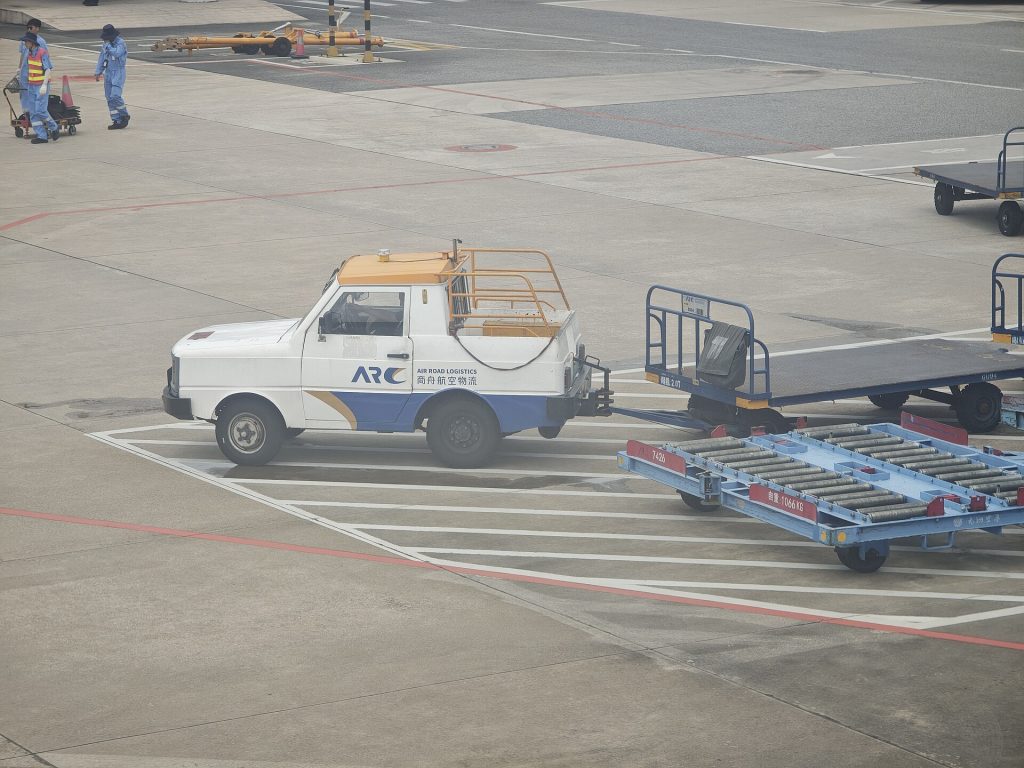
Featured photo: Airport luggage cart at Xiamen Gaoqi Airport by HualinXMN, BY-SA 4.0.