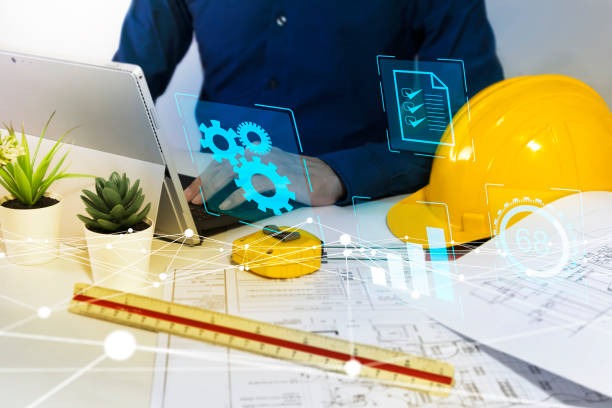
In today’s restaurant development industry, subcontractors play a major role in shaping the final outcome of any build. From installing kitchen ventilation systems to managing electrical wiring, plumbing, flooring, and interior finishes, their work directly affects the timeline and quality of a restaurant project. For subcontractors working on restaurant builds, accuracy, speed, and coordination are more important than ever. That’s why many professionals now rely on Commercial Estimating Services supported by modern estimating software to streamline their workflow and reduce project risks.
Restaurant Web Experts has an audience that includes restaurant owners, consultants, and project managers who want to understand how construction tools impact timelines, budgeting, and overall project success. Understanding subcontractor workflows helps owners make smarter decisions when choosing teams and planning their restaurant builds.
The Traditional Workflow of Subcontractors: Slow, Manual, and Risk-Prone
Before estimating software became widely used, subcontractors relied on manual spreadsheets, handwritten notes, and physical measurement tools. This traditional workflow came with several limitations:
- Slow quantity takeoffs
- Inaccurate measurements
- Disjointed communication with general contractors
- Difficulty managing multiple bids at once
- High chance of miscalculations leading to cost overruns
For restaurants, these issues translated into extended construction timelines, delayed openings, and unexpected budget increases.
As the industry shifted toward technology, restaurant construction projects became more time-sensitive, and subcontractors needed faster, more accurate solutions to stay competitive.
How Estimating Software Improves Precision in Restaurant Builds
Estimating software brings automation, accuracy, and consistency to the bidding and planning stage. Subcontractors can generate detailed estimates in minutes rather than days, allowing them to focus on planning, coordination, and execution.
Here’s how software improves the workflow:
1. Automated Quantity Takeoffs
Instead of manually counting fixtures, tiles, ducts, or wiring lengths, subcontractors can upload digital plans and let the software calculate exact quantities. This minimizes human error and increases speed.
2. Cost Database Integration
Most estimating tools include pricing databases updated with current material and labor rates. This ensures the estimate reflects real market conditions, giving restaurant owners more reliable project budgets.
3. Seamless Collaboration With Contractors
Subcontractors can share live digital estimates with general contractors, architects, and project managers. This improves clarity and reduces misunderstandings that often slow restaurant projects.
4. Version Control and Revisions
If the restaurant’s design changes, such as seating layout adjustments, kitchen ventilation upgrades, or additional lighting, estimating software allows subcontractors to update calculations instantly.
These improvements contribute to more predictable restaurant project timelines and fewer budget-related surprises. Companies offering commercial construction estimation services have demonstrated that digital estimating platforms significantly reduce project delays and improve overall efficiency for subcontractors working on fast-paced restaurant builds.
Faster Bid Submissions Create a Competitive Advantage
Restaurant construction projects often involve multiple subcontractors competing for the same job. Estimating software enables subs to prepare accurate bids faster, increasing their chances of winning contracts.
1. Instant Bid Adjustments
If owners request revised pricing or alternate materials, subcontractors can update their bids within minutes.
2. Consistent Formatting
Software-generated estimates look professional, organized, and easy to understand something restaurant owners appreciate when comparing multiple proposals.
3. Better Profitability Control
Subcontractors can track margins, labor efficiency, and overhead costs more precisely, preventing underbidding or accidental losses.
Improved Scheduling Leads to Faster Restaurant Openings
For restaurant owners, time is a major factor. Delays can cause lost revenue, postponed marketing campaigns, or increased rent expenses. Estimating software helps subcontractors follow a more accurate timeline by:
- Breaking down tasks into measurable milestones
- Predicting labor hours more effectively
- Reducing material shortages
- Improving coordination between different trades
When subcontractors can predict timelines more accurately, restaurant openings happen sooner and with less stress for everyone involved.
How Software Enhances Communication Across the Project Team
Communication is one of the most overlooked challenges in construction. Estimating software closes this gap through:
- Cloud-based access
- Real-time updates
- Shared estimates
- Integrated project notes
- Centralized documentation
For restaurant builds where multiple subcontractors must coordinate electricians, plumbers, fire-safety installers, flooring teams this streamlined communication significantly boosts workflow efficiency.
The Future of Subcontractor Workflow in the Restaurant Sector
The restaurant construction industry is rapidly adopting digital tools, and subcontractors who embrace estimating software gain a long-term advantage. As projects become more complex and timelines more compressed, estimation accuracy and speed will continue to be essential.
In the future, we can expect:
- More AI-driven cost forecasting
- Automation of entire bid packages
- Integration with scheduling and accounting tools
- Real-time material price updates
- Better 3D model integration for kitchens and dining spaces
This evolution will help subcontractors deliver higher-quality work, while restaurant owners benefit from faster, better-managed builds.
Conclusion: Estimating Software is Reshaping Restaurant Construction
Estimating software has transformed how subcontractors plan, price, and manage their work on restaurant projects. It reduces errors, accelerates bidding, enhances collaboration, and improves profitability. For restaurant owners exploring new builds or renovations, understanding the subcontractor workflow and how digital estimating improves it can lead to smarter planning and smoother project execution.