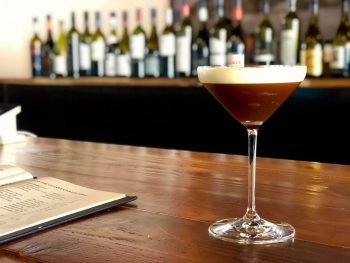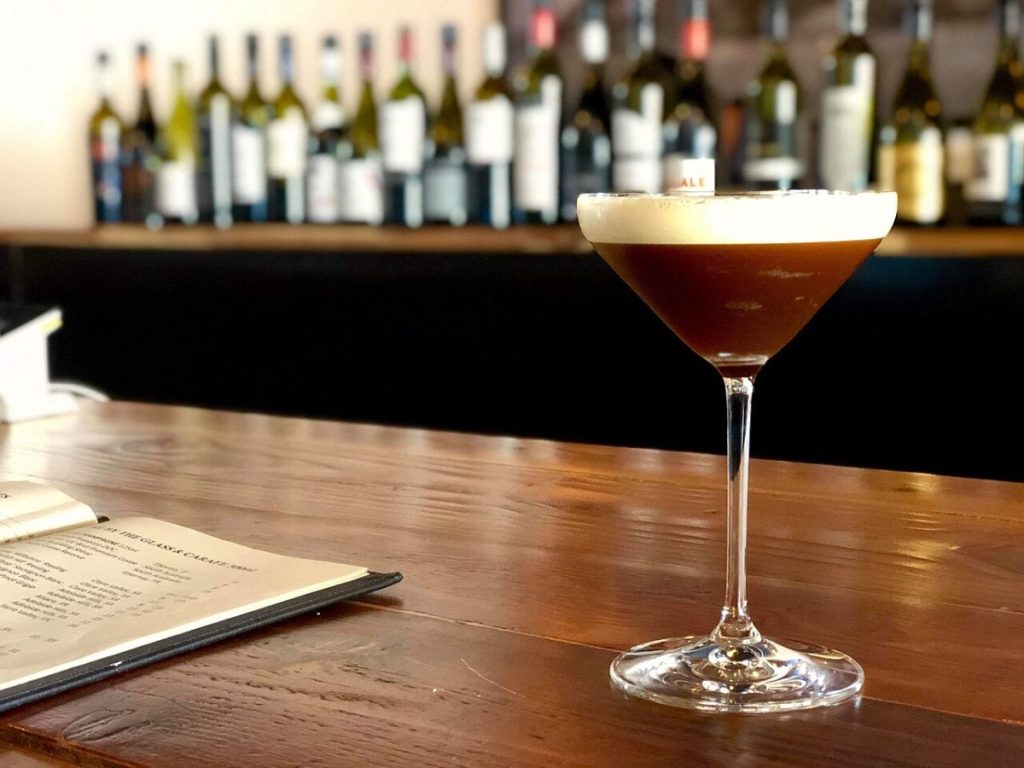
An espresso martini is a shaken cocktail of vodka, coffee liqueur, a little sugar syrup and a shot of fresh espresso, strained into a chilled cocktail glass and topped with a creamy layer of foam. Despite the name, it isn’t a true martini: there is no gin or vermouth. It was created in London in the 1980s and has become one of the most ordered cocktails in bars.
Here’s where it came from, the official recipe, what makes a good one and how to order it your way.
Key facts
- Created by bartender Dick Bradsell at London’s Soho Brasserie in 1983, originally called the Vodka Espresso.
- The International Bartenders Association (IBA) recipe: 50 ml vodka, 30 ml Kahlüa coffee liqueur, 10 ml sugar syrup and one strong espresso.
- It is shaken hard with ice and strained into a chilled cocktail glass, traditionally garnished with three coffee beans.
- The foam comes from shaking freshly brewed espresso; cold or stale coffee won’t foam well.
- It contains both alcohol and caffeine, so it’s worth pacing yourself.
Who invented the espresso martini?
The drink is credited to Dick Bradsell, one of the most influential London bartenders of his generation. Difford’s Guide dates it to 1983 at the Soho Brasserie, where it was first called the Vodka Espresso. The best-known version of the story is that a customer asked for a drink that would wake her up and keep her going, and Bradsell combined vodka, coffee liqueur and espresso.
The name changed over the following years, and “espresso martini” stuck, largely because it was served in a martini-style glass at a time when many new drinks borrowed the word. Today it’s a standard on bar menus everywhere.
What is in a classic espresso martini?
The IBA’s official espresso martini specification is short:
| Ingredient | Amount (IBA) | What it does |
|---|---|---|
| Vodka | 50 ml | The base spirit; neutral, so the coffee leads |
| Kahlüa (coffee liqueur) | 30 ml | Sweetness, body and coffee flavor |
| Sugar syrup | 10 ml | Balances the bitterness of the espresso |
| Strong espresso | 1 shot | Flavor, bitterness and the crema that becomes foam |
| Garnish | 3 coffee beans | Aroma and the classic look |
Method: add everything to a shaker with ice, shake well and strain into a pre-chilled cocktail glass. Bars often double-strain through a fine sieve so the foam is smooth.
Why does an espresso martini have foam on top?
Freshly pulled espresso carries crema, a layer of tiny bubbles and coffee oils. Shaking it hard with ice whips that crema and traps air, which settles into the pale, creamy cap you see on a well-made drink. That’s why good bars pull the shot just before they shake. Coffee that has cooled, or batch-brewed coffee, gives a flatter, thinner head.
If you make them at home, a hard 15-second shake with plenty of ice and a freshly made shot matters more than the brand of vodka. Our home espresso machine buying guide covers the gear side.
How do you order an espresso martini the way you like it?
- Sweetness: ask for it “less sweet” or “dry” if you like coffee bitterness; the bartender will cut the sugar syrup. Ask for it “sweeter” if you prefer a dessert-style drink.
- Strength: the classic is a full-strength cocktail. Some bars offer a lighter version with less vodka.
- Decaf: many bars can make one with decaf espresso if you’re having it late.
- Base spirit: tequila, mezcal, rum and aged spirits are popular swaps. Our guide to mezcal vs tequila explains the difference.
- Flavored versions: salted caramel, vanilla and chocolate twists are common on menus. They’re sweeter than the classic.
- No alcohol: a growing number of bars make an alcohol-free version with non-alcoholic spirit or just espresso, syrup and cold brew.
How strong is an espresso martini?
Made to the IBA spec, it contains 50 ml of vodka plus 30 ml of coffee liqueur, so it holds more alcohol than one US standard drink. The NIAAA explains what counts as a standard drink (about 14 grams of pure alcohol, the amount in 1.5 ounces of 40 percent spirits). The espresso adds caffeine, which can make you feel more alert, but it doesn’t change how much alcohol you’ve had. Pace yourself and plan a safe ride home.
When is the best time to order one?
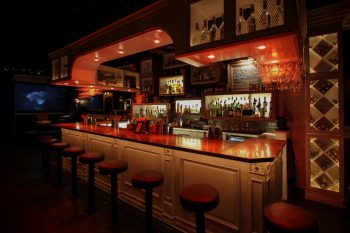
The espresso martini works as an after-dinner drink in place of coffee and dessert, or as a first drink before a late night out. It’s richer than most aperitifs, so it’s less suited to the start of a long meal. Cocktail bars with a strong coffee program, and many speakeasy-style bars, take particular care with it.
Frequently asked questions
Is an espresso martini a real martini?
No. A classic martini is gin or vodka with vermouth. The espresso martini borrows the name and the glass, but it’s a shaken coffee cocktail.
Who created the espresso martini?
London bartender Dick Bradsell, at the Soho Brasserie in 1983. It was first called the Vodka Espresso.
What liqueur goes in an espresso martini?
A coffee liqueur. The IBA recipe names Kahlüa, but many bars use other coffee liqueurs.
Why are there three coffee beans on top?
Three beans is the traditional garnish in the IBA recipe. They add aroma and make the drink instantly recognizable.
Can I get an espresso martini without caffeine?
Often, yes. Ask whether the bar can make it with decaf espresso. Coffee liqueur still contains a little coffee, so it may not be completely caffeine-free.
The short version
Vodka, coffee liqueur, a touch of sugar and fresh espresso, shaken hard and served cold with a foam cap: that’s the espresso martini. Order it drier, sweeter, decaf or with a different spirit, and enjoy it as an after-dinner drink. For more drinks and bar guides, browse our Bars & Nightlife section and our cocktail bitters guide.
Featured photo: Espresso Martini on a bar by AlphaLemur, CC BY-SA 4.0.