A restaurant no-show fee is a charge a restaurant puts on your card when you book a table, then neither turn up nor cancel within its stated window. You agree to it at booking, usually by entering a card number, and the restaurant sets the amount and the deadline. Cancel inside the window and, in most cases, nothing is charged.
You’re most likely to meet them at tasting-menu restaurants and on busy nights, big-group bookings and holiday weekends. That makes it worth knowing exactly what you are signing up for when a booking page asks for a card.
Here is why restaurants charge them, what actually happens to your card, how cancellation windows work, and what to do if a charge looks wrong.
Key takeaways
- A no-show fee is set by the restaurant and disclosed when you book. The reservation platform does not decide it.
- OpenTable asks diners to cancel at least 30 minutes ahead and suspends accounts after four no-shows in 12 months.
- A card on file may get a small temporary authorization to check it is valid. That is not the fee.
- Deposits and prepaid tickets take money up front. A card hold only charges if you miss the window.
- If you’re charged in error, contact the restaurant first. For credit cards, a written dispute must reach your card issuer within 60 days of the statement.
Why restaurants charge no-show fees
An empty table on a busy night is lost revenue that can’t be recovered. The food is prepped, the staff is scheduled, and the slot was turned away from someone else. A no-show fee shifts some of that risk back to the person holding the booking.
It also changes behaviour. OpenTable, in a guide written for restaurant operators, says its own data shows guests who book with a credit card hold are up to 16% less likely to no-show and 15% less likely to cancel late. It reports that deposits cut no-show rates by 57% on average. Those are platform figures rather than independent research, but they explain why so many booking pages now ask for a card.
A no-show fee isn’t really about the money. It is about making a reservation feel like a promise again.
Where you’re most likely to see one
- Prime-time slots on Friday and Saturday evenings.
- Large parties, where one missing booking empties several seats at once.
- Tasting menus and set-price experiences, where the kitchen buys and preps for an exact headcount.
- Holidays such as Valentine’s Day, Mother’s Day and New Year’s Eve.
How the card on file actually works
When a booking asks for a card, the restaurant is usually not charging you yet. OpenTable’s terms of use say some restaurants may require a debit or credit card to finalize a reservation, and that OpenTable may place a temporary authorization on the card to confirm the details are accurate.
That authorization is a check, not a charge. You may see it briefly as pending in your banking app. The actual fee is only taken if you break the restaurant’s cancellation policy, which OpenTable says is disclosed at the time the reservation is made.
A note for debit card users
Holds hit debit cards harder because they come straight out of your available balance. The Georgia Attorney General’s consumer protection office explains that a hold can reduce your spending limit during processing, and that credit card companies allow up to three days for banks to clear transactions and remove the hold. If your balance is tight, book with a credit card instead.
Who sets the rules
The restaurant does. The platform passes the policy along and processes the payment, but the amount, the deadline and any exceptions are the restaurant’s call. OpenTable’s terms say it has no liability for charges made because a diner failed to cancel under a restaurant’s policy.
Card hold, deposit or prepaid: what you’re agreeing to
Booking pages use similar wording for three quite different arrangements. The table below sets them side by side.
| Card hold | Deposit | Prepaid ticket | |
|---|---|---|---|
| When money moves | Only if you no-show or cancel late | At booking | At booking, in full or close to it |
| What you usually get back if you cancel in time | Nothing is charged | The deposit, per the policy | Depends on the policy, sometimes credit only |
| What happens if you show up | Nothing is charged for the booking | Usually taken off your bill | The meal is already paid for |
| Where you’ll see it | Everyday bookings, busy nights | Large groups, special occasions | Tasting menus, events, holiday menus |
Read the policy text shown before you confirm. The words that matter are the amount, whether it is per person or per booking, and the exact cut-off time.
Cancellation windows and how to stay inside them
A cancellation window is the deadline for backing out without a fee. Restaurants set their own, and the deadline is shown in the policy when you book. Separately, OpenTable’s terms ask every diner to cancel at least 30 minutes before a reservation they can’t honour. Miss that, and OpenTable emails you a no-show notice; four no-shows within 12 months gets your account suspended.
So there can be two clocks running on one booking: the restaurant’s fee window and the platform’s own no-show record. Staying inside the earlier one protects you from both.
Habits that keep you inside the window
- Set a reminder when you book. Put it a few hours before the cancellation deadline, not before the meal.
- Cancel through the same channel you booked. That leaves a record with a timestamp.
- Modify rather than cancel if the party size changes. Many restaurants would rather seat four than lose a table of six entirely.
- Screenshot the policy. It takes a second and it settles any later disagreement about what you agreed to.
- Call if something goes wrong on the day. A polite phone call before the booking time often gets a fee waived, especially for illness or travel delays.
Juggling several bookings for one trip? Our guide to getting the reservation you want covers timing and waitlists, and you can find more eating out guides for the night itself.
If you get charged and think it’s wrong
Mistakes happen. A cancellation doesn’t sync, a host marks the wrong table as absent, or a fee lands even though you were seated. Start with the restaurant, because it controls the charge and can refund it directly.
- Gather the evidence. Your confirmation email, cancellation confirmation, screenshot of the policy and the charge itself.
- Contact the restaurant. Explain briefly, attach proof, and ask for a refund.
- Escalate to your card issuer if needed. For credit cards, the Consumer Financial Protection Bureau says to call the issuer promptly and send a written billing error notice within 60 calendar days of the charge appearing on your statement.
The CFPB’s dispute guidance adds that the card company then has 30 days to acknowledge the dispute in writing, and that it must remove the charge if it finds in your favour. Keep copies of everything and note the dates of any calls.
FAQ
Is a restaurant no-show fee legal?
Restaurants set their own cancellation policies, and a fee that was clearly disclosed when you booked is part of what you agreed to. If a fee wasn’t disclosed, raise it with the restaurant and then your card issuer.
Will I be charged if I’m just running late?
Usually not straight away, but many restaurants hold a table for only a short grace period before releasing it. Call ahead so they know you are coming.
Why did I see a small charge right after booking?
That is likely a temporary authorization to check the card is valid. OpenTable’s terms say it may place one when you enter card details. It should drop off on its own.
Does cancelling on the app count?
Yes, as long as you cancel before the restaurant’s deadline. Keep the cancellation email as proof.
Before you tap confirm
Before you confirm your next booking, read the policy line, note the cut-off time and set a reminder a few hours earlier. It takes less than a minute and makes a fee almost impossible to trigger by accident. Looking for somewhere new to book? Browse our restaurant directory, then check our tips on planning a group dinner if you’re organising a bigger table.
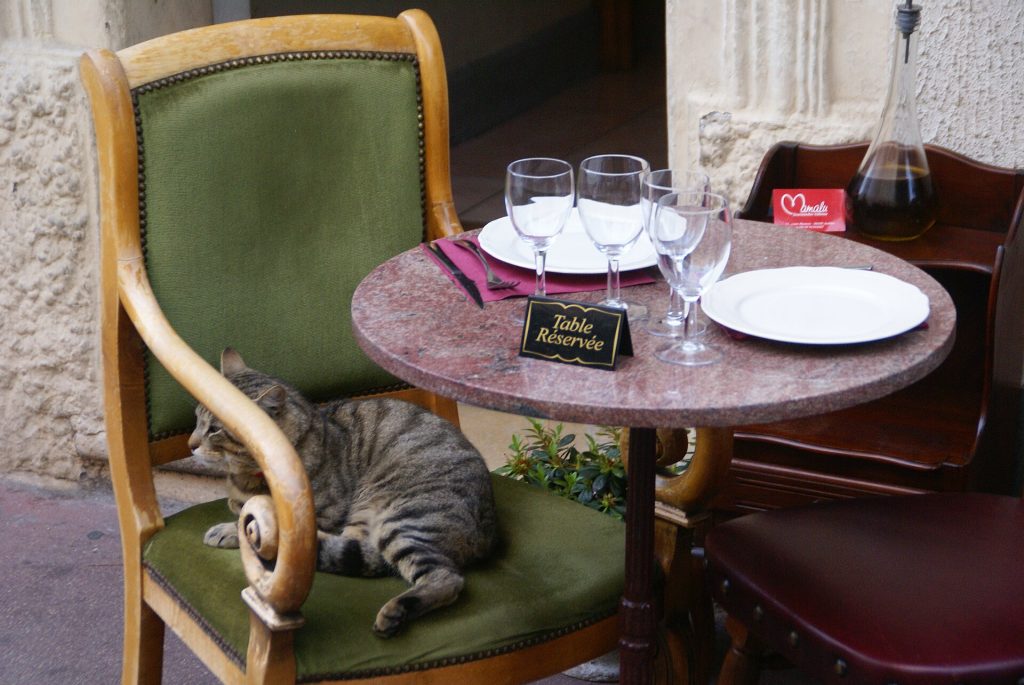
Featured photo: Cat at reserved table by David Baron, BY-SA 2.0.