18+ Gaming content is for adults of legal age where they live. Gambling involves risk; please play responsibly.
The most common responsible gambling myths share one mistake: the belief that past results change what happens next. They don’t. A roulette wheel or a slot machine has no memory, a near miss is still a loss, no betting system changes the odds, and chasing losses usually deepens them.
These beliefs feel reasonable in the moment, which is why they stick. Researchers have watched real casino players act on them, and brain-imaging studies show why a near miss feels so much like progress.
Below, six myths are taken one at a time, with what the evidence says and a short list of habits that keep a card game or a night out a form of entertainment rather than a problem. This is an editorial guide, not a gambling guide: there are no tips for winning here, because there aren’t any that work.
Key takeaways
- In games of chance, each spin, card or draw is independent. A losing streak doesn’t make a win due.
- A 2009 study in Neuron found near misses felt less pleasant than clear losses but increased the desire to keep playing.
- Betting systems change the size and timing of bets, not the odds of each one.
- NCPG lists going back to win money back, chasing losses, as a warning sign of a developing problem.
- Free, confidential help is available 24/7 from NCPG’s National Problem Gambling Helpline: call or text 1-800-MY-RESET.
Six myths at a glance
| Myth | Fact |
|---|---|
| I’m due for a win after a losing streak | Independent outcomes don’t remember past results |
| A near miss means a win is close | A near miss is a loss, but it tricks the brain’s reward system |
| The right system beats the house | Systems rearrange bets; they don’t change the odds |
| I can win back what I’ve lost | Chasing losses is a recognised warning sign |
| Problem gamblers play every day | Frequency doesn’t determine whether there’s a problem |
| It’s only a problem if you run out of money | NCPG calls problem gambling an emotional problem with financial consequences |
Myth 1: After a losing run, a win is due
This is the gambler’s fallacy, and almost everyone feels its pull. After red comes up five times, black feels overdue. After a long dry spell on a machine, a payout feels like it must be close.
It isn’t. In games of chance each outcome is independent, so the wheel has the same odds on the sixth spin as on the first. A study published in Judgment and Decision Making in 2006 by James Sundali and Rachel Croson analysed video of roulette play at a Nevada casino, covering 139 players and 22,527 bets. Roughly half the players showed the gambler’s fallacy, betting against numbers that had just come up.
The mirror-image mistake
The same study found that more than half of players showed the opposite bias, the hot hand, betting more often after they had just won. The two errors were positively linked: people who fell for one were more likely to fall for the other. Both come from the same place, seeing patterns in results that are random.
The wheel doesn’t know you’ve been losing. It never did.
Myth 2: A near miss means you’re getting close
Two cherries and the third one just above the line. It feels like the machine is warming up.
Researchers led by Luke Clark tested exactly this feeling. In a 2009 study in the journal Neuron, volunteers played a simplified slot machine task while their brains were scanned. Compared with outright misses, near misses were rated as less pleasant, yet they increased people’s desire to play. They also activated striatal and insula circuitry that responded to real wins, even though no money was won.
The effect only showed up when players had personal control over arranging their gamble, which fits a broader trap: the sense that skill or choice is involved in a game of pure chance. The practical lesson is simple. A near miss is a loss that happens to feel like progress.
Myth 3: A good system can beat the odds
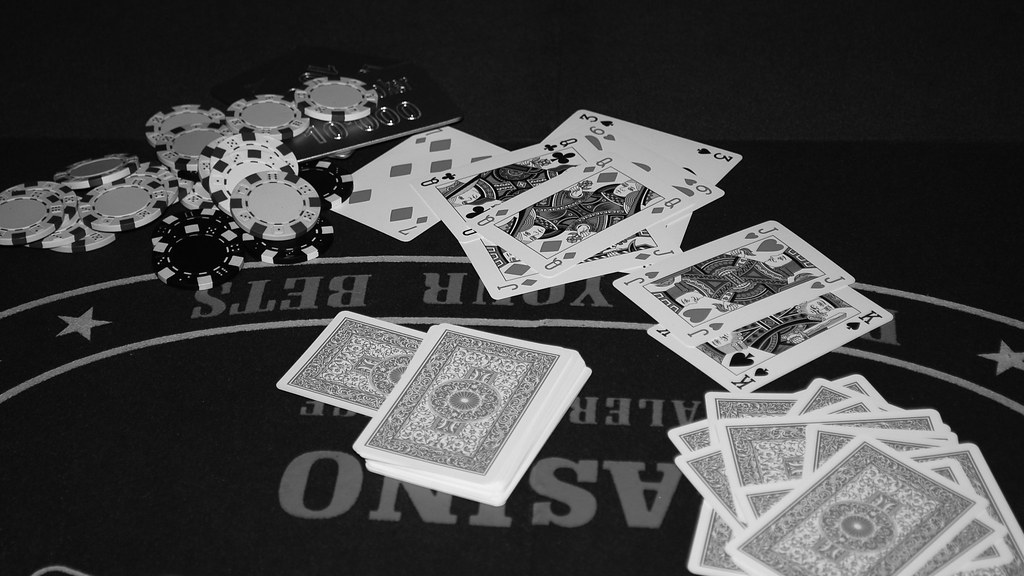
Double after every loss. Bet only on certain numbers. Switch tables when the dealer runs hot. Systems like these are appealing because they feel like a plan.
What a system actually changes is how much you stake and when. It doesn’t touch the odds of any individual bet, and in casino games those odds favour the house. A doubling system, for example, can turn a string of small wins into one very large loss when a losing streak runs longer than your budget, which it eventually can.
Why systems feel like they work
- Selective memory. The night the system paid off is easy to recall; the nights it didn’t fade.
- Short samples. A few sessions are too few to show the long-run maths.
- Illusion of control. Choosing numbers or timing bets feels like skill, even when the outcome is random.
Myth 4: You can win back what you’ve lost
Going back to win back money you’ve lost is so common it has a name: chasing losses. The National Council on Problem Gambling lists it among the warning signs that a gambling problem is developing.
Chasing turns the gambler’s fallacy into a financial plan. It usually means raising stakes, playing longer or dipping into money meant for something else, all on the assumption that luck has to turn. When it doesn’t, the hole gets deeper and the urge to chase gets stronger.
A useful rule: money you’ve already lost is the price of the entertainment you’ve already had. It’s not a debt the game owes you.
Myths 5 and 6: Who has a gambling problem
Myth 5: You have to gamble every day to have a problem
According to NCPG, the frequency of a person’s gambling does not determine whether they have a gambling problem. Someone who gambles only occasionally can still see the emotional and financial consequences in their personal and family life.
Myth 6: It’s only a problem if you run out of money
NCPG describes problem gambling as gambling behaviour that damages a person or their family, often disrupting daily life and career, and calls it an emotional problem that has financial and other consequences. Debt is one sign, not the definition. Lying about gambling, feeling restless when trying to cut back, or gambling to escape stress can show up long before the money runs out.
Habits that keep play in proportion
Whether it’s a poker night with friends or an occasional trip, a few habits keep gambling in its place as one kind of entertainment among many.
- Set the budget before you start, and treat it as spent the moment you sit down.
- Set a time limit as well as a money limit. Long sessions blur both.
- Leave cards and extra cash at home. Friction is a good friend.
- Don’t gamble to fix a mood, whether that’s boredom, stress or celebration.
- Never chase. When the budget is gone, the night of gambling is over.
- Keep game nights social. At home, play for low or token stakes and put the focus on food and company.
If you’re planning a card or board-game evening, our gaming guides and game night hosting ideas put the fun where it belongs.
FAQ
What is the gambler’s fallacy?
It’s the belief that an outcome is due because it hasn’t happened for a while. In games of chance, each result is independent, so past spins or draws don’t change the next one.
Are near misses a sign I’m about to win?
No. A near miss is a loss. Research has shown near misses can still activate reward-related brain regions and increase the urge to keep playing.
Is chasing losses a sign of a gambling problem?
NCPG lists going back to try to win your money back as one of the warning signs of a developing gambling problem.
What happened to 1-800-GAMBLER?
NCPG stopped using 1-800-GAMBLER in 2025 after a licensing dispute. In January 2026 it adopted 1-800-MY-RESET as the National Problem Gambling Helpline number. NCPG says existing access points, including 1-800-522-4700, remain active.
If it has stopped being fun
If any of these myths sounded familiar in a way that worries you, talk to someone. NCPG’s National Problem Gambling Helpline is free, confidential and available 24/7: call or text 1-800-MY-RESET (1-800-697-3738) or use its online chat. You can also make the next step small, such as setting a spending limit before your next night out or telling one person you trust. For evenings built around something else entirely, see our nightlife guides.
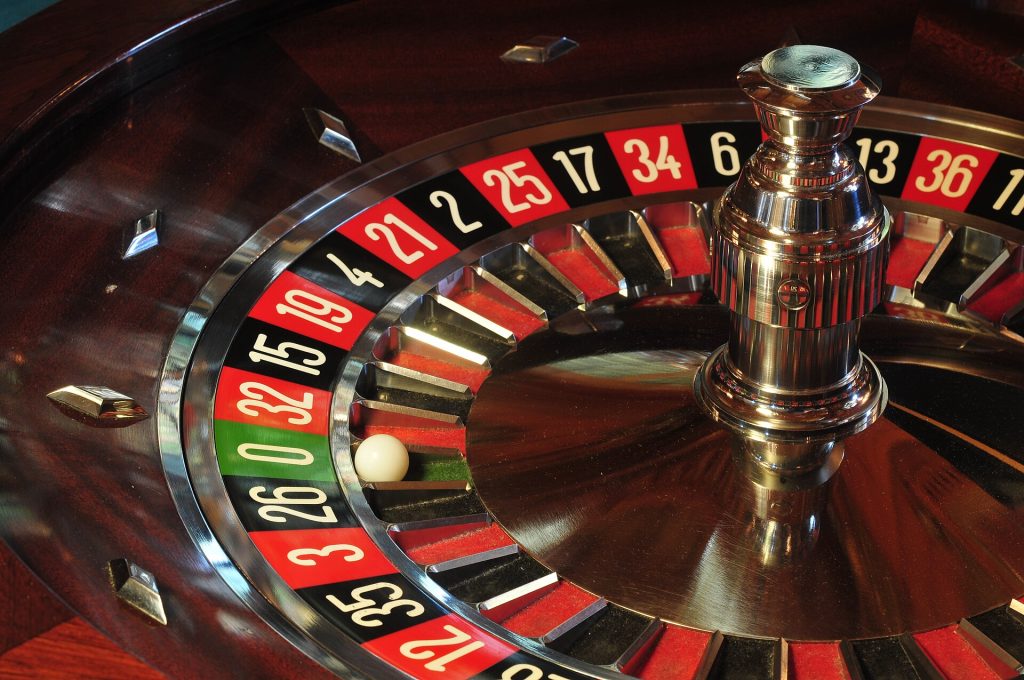
Featured photo: 13-02-27-spielbank-wiesbaden-by-RalfR-093 by Ralf Roletschek, BY-SA 3.0.