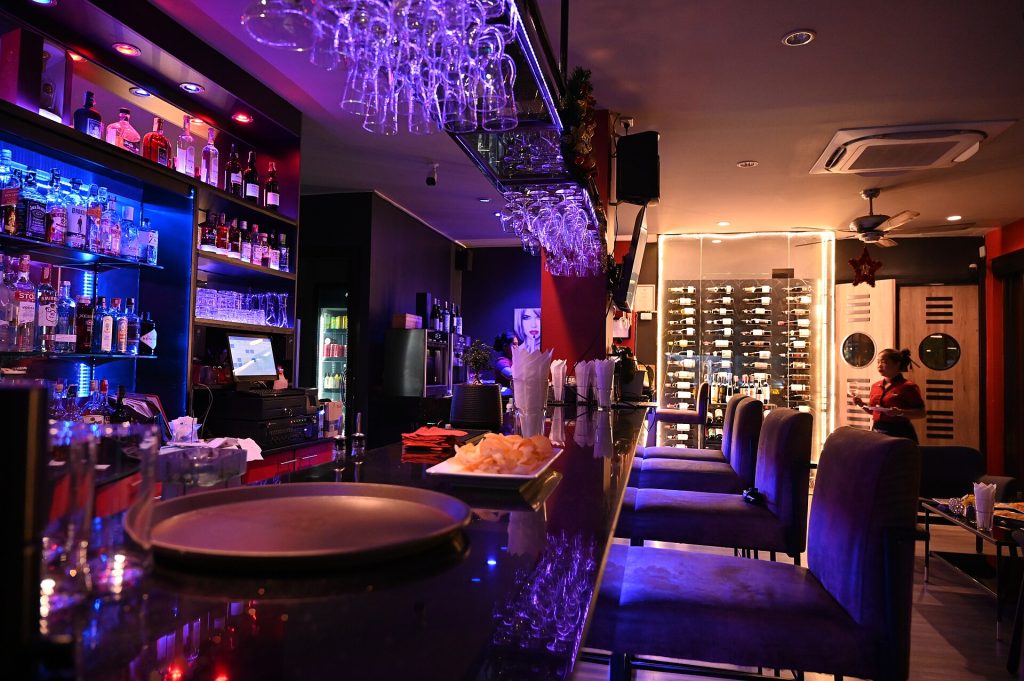
A speakeasy bar is a bar designed to feel hidden. The original speakeasies were illegal drinking dens during American Prohibition, from 1920 to 1933. Today the word describes legal cocktail bars that borrow the look: an unmarked door, a secret entrance, low light, limited seats and a serious drinks list.
The modern version isn’t hiding from the police. It’s hiding from the crowd. The concealed entrance is part of the experience, and so is the sense that you’re somewhere you had to know about to find.
This explainer covers where the speakeasy came from, how today’s bars recreate it, and the etiquette that’ll make your first visit go smoothly.
Key takeaways
- Speakeasies were illegal bars during Prohibition, which ran from January 1920 until the 21st Amendment was ratified on December 5, 1933.
- By 1925, New York City alone had somewhere between 30,000 and 100,000 speakeasy clubs, according to the National Archives.
- Modern speakeasy bars are legal cocktail bars that use hidden or unmarked entrances as theatre.
- Seats are usually limited, so reservations help and standing room is rare.
- Etiquette is simple: keep your voice down, keep your phone away and follow the house rules.
Where the speakeasy came from
The word is older than the bars that made it famous. Merriam-Webster defines a speakeasy as a place where alcoholic beverages are illegally sold, specifically during Prohibition in the US, and traces the word back to the 19th century. The name itself hints at the idea: you kept your voice down about where the drink came from.
Prohibition in four dates
- January 16, 1919: the 18th Amendment is ratified, banning the manufacture, sale and transportation of intoxicating liquors, per the Library of Congress.
- October 28, 1919: Congress passes the Volstead Act to enforce it.
- January 1920: Prohibition takes effect nationwide.
- December 5, 1933: the 21st Amendment is ratified, repealing the 18th.
Thirteen years is a long time to go without a legal drink, and millions of Americans didn’t. Demand simply moved underground, and the speakeasy became its storefront.
How the original speakeasies worked
The numbers show how little Prohibition stopped drinking. The National Archives notes that by 1925, New York City alone had anywhere from 30,000 to 100,000 speakeasy clubs. Bootlegging, the illegal production and distribution of liquor, became rampant, and the government didn’t have the means to police every border, river and speakeasy in the country.
Supply came from organised crime. The National Archives’ history of Prohibition and the American gangster describes crime syndicates from Los Angeles to Chicago to New York supplying speakeasies with large quantities of beer and liquor, often smuggled along rivers and waterways across state lines.
Hiding in plain sight
Secrecy was the whole business model. Drinkers carried hip flasks, hollowed-out canes and false books to get alcohol past agents, according to the National Archives. Bars hid behind ordinary shopfronts, back rooms and doors that only opened for the right knock or name. That need to hide is exactly what modern bars now turn into theatre.
The modern speakeasy bar
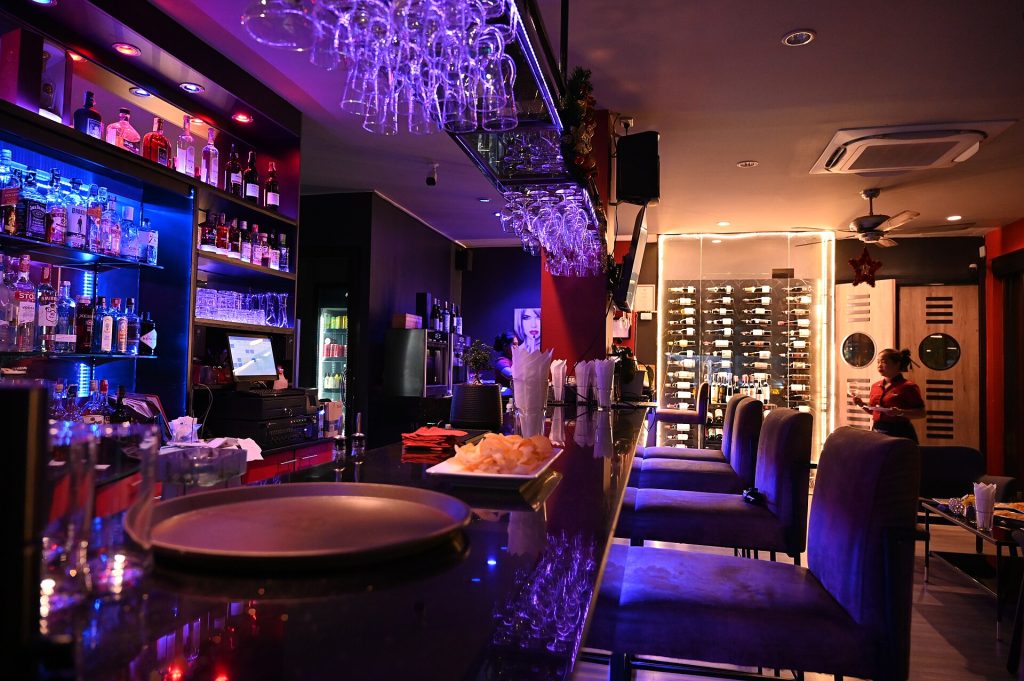
Today’s speakeasy bar is a style, not a legal category. Alcohol has been legal since 1933, so nobody needs to hide. The concealed door stays because it’s fun, and because it keeps the room small, calm and focused on the drinks.
Hidden entrances
The entrance is the signature. You’ll find bars behind unmarked doors in alleys, behind bookcases, through the back of a shop or a restaurant, down unlit stairs, or through a door that looks like a fridge or a phone booth. Some post a subtle sign or a lamp outside when they’re open. Part of the pleasure is walking past it twice.
The room
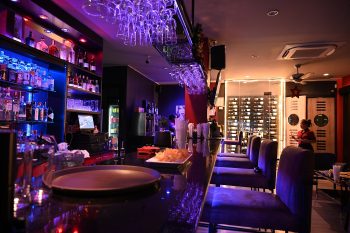
Inside, the look usually nods to the 1920s: dim lighting, dark wood, leather banquettes, vintage glassware and jazz or soft music. Many keep numbers tight, so there’s no crush at the bar and every guest has a seat.
The drinks
The modern speakeasy is really a cocktail bar with a story. Expect a short menu of carefully made drinks, classics from the pre-Prohibition and Prohibition eras alongside house originals, and bartenders happy to steer you if you tell them what you like. If you’re new to cocktails, our primer on classic cocktails every drinker should know is a good warm-up.
The secret door is the opening act. The cocktail is the reason you stay.
How to find one
By design, speakeasy bars don’t advertise much. The best leads usually come from a bartender at another good cocktail bar, a hotel concierge, or a local food and drink publication. Once you have a name, the bar’s own website or social account is the most reliable place to confirm it’s open, how bookings work and where the door actually is.
Expect some directions to be deliberately vague. A bar might tell you to look for a red light, a certain door number or a staircase next to a restaurant. Read the instructions before you leave, and give yourself a few spare minutes to find it. Wandering up and down the block is part of the ritual, not a sign you’ve got it wrong.
Speakeasy or just a themed bar
Not every bar with Edison bulbs and a jazz playlist is a speakeasy. The name usually earns its keep when three things line up: an entrance you’d walk straight past, a room kept small on purpose, and cocktails taken seriously. A bar with a loud street-front sign and a 1920s costume theme is having fun with the era, which is fine, but it’s a different night out.
Then and now, side by side
| Prohibition speakeasy | Modern speakeasy bar | |
|---|---|---|
| Legal status | Illegal | Fully licensed |
| Why it’s hidden | To avoid enforcement agents | For atmosphere and a smaller crowd |
| Getting in | Knowing the right door, name or knock | Finding the entrance, often with a reservation |
| What’s poured | Whatever bootleggers could supply | Carefully made classic and original cocktails |
| The vibe | Discreet by necessity | Discreet by design |
Speakeasy etiquette
Speakeasy bars run on a gentler rhythm than a busy pub, and a few habits will make you a welcome guest.
- Book ahead if you can. Seats are limited and many bars don’t allow standing, so walk-ins may be turned away at peak times.
- Arrive on time with the party size you booked. Small rooms plan every seat.
- Dress one notch up. Few bars enforce a strict code, but smart casual suits the room.
- Keep your voice down. The low-volume atmosphere is part of what you and everyone else came for.
- Go easy on photos. Some bars ask guests not to photograph the entrance or the room; follow the house rules.
- Talk to the bartender. Say which spirits and flavours you like and let them build you something.
- Don’t overstay. If you booked a time slot, settle up when it ends so the next guests can sit down.
For more ideas on where to spend an evening, browse our bars and nightlife guides.
FAQ
What makes a bar a speakeasy?
Today, it’s the style: a hidden or unmarked entrance, an intimate room with limited seating and a focus on well-made cocktails. Historically, it meant an illegal bar during Prohibition.
Are speakeasy bars legal?
Yes. Modern speakeasy bars are licensed like any other bar. Prohibition ended when the 21st Amendment was ratified on December 5, 1933.
Do I need a password to get in?
Usually not. Most modern speakeasies rely on a hidden door and a reservation rather than a password, though a few play with the idea for fun.
Why were they called speakeasies?
Merriam-Webster traces the word to the 19th century, well before Prohibition. The name itself hints at keeping your voice down about a place you weren’t supposed to know.
Plan your first visit
Pick one speakeasy-style bar in your city, check whether it takes reservations and how to find the entrance, and book an early slot for your first visit. Pair it with dinner nearby from our restaurant directory, and read up on cocktail bar etiquette so you arrive ready to order.