A sommelier is a restaurant’s wine professional: the person who builds the wine list, buys and stores the bottles, recommends what to drink with your meal and serves it properly at the table. Many also look after the wider drinks list, from sake to spirits. You don’t need to know anything about wine to use one; a good sommelier’s job is to find something you’ll enjoy at the price you want to pay.
This guide covers what sommeliers do, what the different certifications mean and how to work with one at dinner.
Key facts
- A sommelier selects, buys, stores, recommends and serves wine in a restaurant.
- The Court of Master Sommeliers, Americas has four levels: Introductory, Certified, Advanced and the Master Sommelier Diploma.
- The Master Sommelier exam has three parts: an oral theory exam, deductive tasting of six wines and practical service.
- WSET (Wine & Spirit Education Trust) offers a separate path, from Level 1 Award in Wines to the Level 4 Diploma.
- The easiest way to set a budget is to point to a price on the list while you describe what you like.
What does a sommelier do?
Much of the work happens before you sit down. A typical restaurant sommelier’s job includes:
- Building the list. Choosing wines that suit the food, the style of the restaurant and a range of budgets, including wines by the glass.
- Buying and cellaring. Working with distributors, tracking inventory and storing bottles at the right temperature.
- Training staff. Teaching servers enough about the list to answer common questions.
- Recommending at the table. Matching wine to what you’re eating and what you like.
- Serving. Presenting and opening the bottle, decanting when needed and keeping glasses topped up at the right pace.
Smaller restaurants may not have a dedicated sommelier; the general manager or a lead server often covers the role.
What do sommelier certifications mean?
“Sommelier” is a job title, not a protected one, but many professionals hold certifications. The best known in the US come from the Court of Master Sommeliers, Americas. Its certification levels page sets out four stages:
| Level | What it covers |
|---|---|
| Introductory Sommelier | Course and exam introducing the deductive tasting method, service standards and wine theory; offered in person or online |
| Certified Sommelier | One-day, in-person exam in tasting, theory and tableside service; requires the Introductory first |
| Advanced Sommelier | Separate course and exam with written theory, verbal tasting and a practical section |
| Master Sommelier Diploma | The final exam: oral theory, deductive tasting of six wines and practical wine service |
A second widely respected route is the Wine & Spirit Education Trust, whose wine qualifications run from the Level 1 Award in Wines through Levels 2 and 3 to the Level 4 Diploma in Wines. WSET is more focused on wine knowledge and tasting than on restaurant service, so you’ll find it among retailers, importers and writers as well as sommeliers.
How do you ask a sommelier for help?
- Say what you’re eating. Even a rough plan (“we’re sharing fish and a steak”) narrows things down.
- Describe what you like in plain words. “Light and fresh,” “big and fruity,” “not too oaky” or a grape or region you’ve enjoyed all help.
- Set the budget discreetly. Point to a price on the list and say “something around here.” A good sommelier will take the hint without comment.
- Ask about by-the-glass options. If people at the table want different things, glasses can work better than a bottle.
- Ask for a taste. Many restaurants will pour a small taste of a by-the-glass wine before you commit.
The same approach works for spirits; see our guide to ordering whisky at a bar.
What happens when the bottle arrives?
The sommelier shows you the bottle so you can check it’s the wine and vintage you ordered. After opening it, they pour a small amount for the person who ordered. That taste is to check the wine is sound, not to decide whether you like it. A wine that smells musty, like wet cardboard, or vinegary may be faulty, and it’s fine to say so; the sommelier will check and replace it if it’s off. If the wine is simply not to your taste, a good sommelier may still help, but the taste ritual is really about faults.
Some sommeliers wear a small, shallow silver cup on a chain, called a tastevin. It’s a traditional tool from Burgundy for tasting wine from the barrel, and today it is mostly a badge of the trade.
Do you tip a sommelier?
In most US restaurants, you tip on the whole bill, wine included, and the restaurant shares tips according to its own policy. If a sommelier went out of their way for you, a separate thank-you is a kind gesture but not expected. When the bill shows a service charge instead, our explainer on service charges and tips covers what that means.
Frequently asked questions
What is the difference between a sommelier and a Master Sommelier?
Sommelier is a job; Master Sommelier is the highest title awarded by the Court of Master Sommeliers after passing its final diploma exam in theory, tasting and service.
Is it rude to give a sommelier a budget?
No. It helps them do their job. Pointing to a price on the list is a common, discreet way to do it.
Can you send back wine you don’t like?
You can always send back a faulty wine. If it’s sound but not to your taste, ask politely; policies vary, and it helps to have described what you like beforehand.
Do sommeliers only know about wine?
Many also manage beer, sake, spirits and non-alcoholic pairings, depending on the restaurant.
How do you become a sommelier?
Most start by working in restaurants and studying for certifications such as the Court of Master Sommeliers levels or WSET qualifications.
The short version
A sommelier is there to help you, not test you. Tell them what you’re eating and what you like, point to a price, and let them do the rest. To practice your palate at home, try our guide to hosting a wine tasting party, and find more drinks guides in our Bars & Nightlife section.
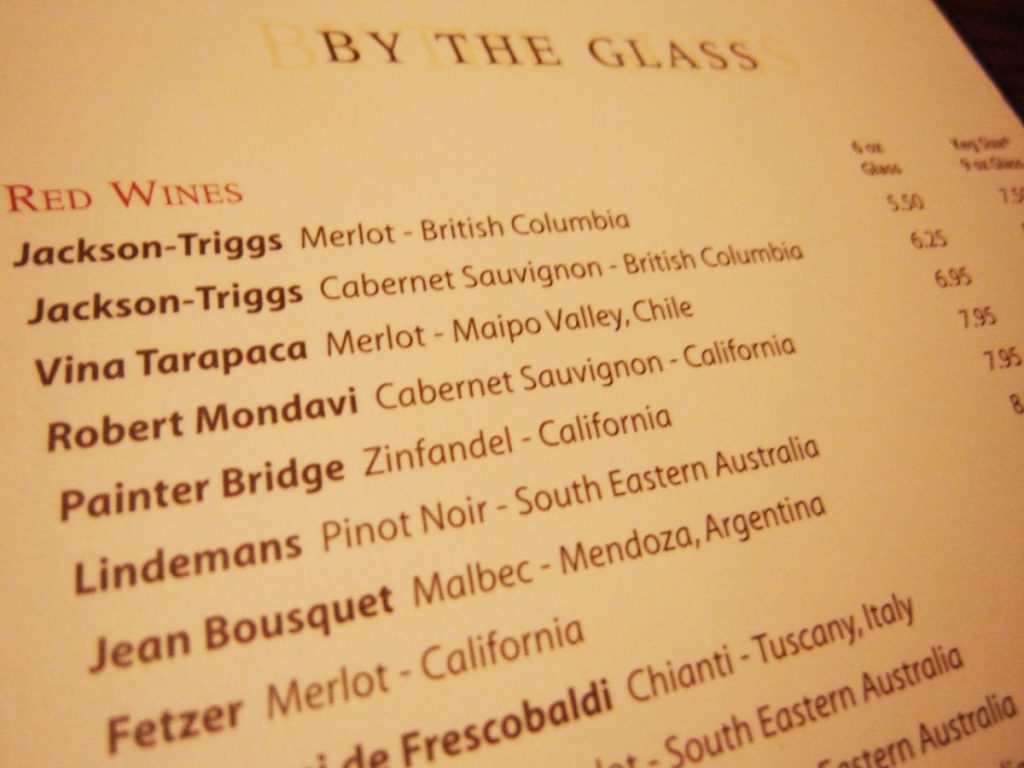
Featured photo: Glass pour section on restaurant wine list by Iwona Erskine-Kellie, CC BY 2.0.